Tuchel's Britpop Revolution Hits the Right Notes as England Eye Ghana
A record player in the hotel, vinyl records for the squad, and crisp football against Croatia signal a new England era under Tuchel.
Vinyl, Vibes, and a New England Identity
There is a record player sitting in the foyer of England's team hotel in Kansas City. Not a Bluetooth speaker. Not a curated Spotify playlist on a smart display. A turntable, with actual vinyl records.
The Football Association tracked down the favourite songs of every member of Thomas Tuchel's 26-man squad and pressed them to wax. Some of the younger players, reportedly, stared at the contraption as though it were an artefact from a museum. The plastic circles baffled them. The concept of dropping a needle and letting the thing spin was foreign territory.
Harry Kane, who is in superb form and central to Tuchel's attacking plans, has been commandeering the device with country and western selections. A man who scores goals for fun at the highest level but whose musical taste leans Nashville rather than north London. Leadership has its limits, apparently.
The Record Player Is a Metaphor
Strip away the charming anecdote and you find Tuchel's blueprint in miniature. This is a manager obsessed with atmosphere, with texture, with creating a shared experience that bonds a group of elite professionals into something more cohesive than a collection of individual talents.
Tuchel did not need to install a vinyl player. He could have left the squad to their AirPods and their individual playlists. Instead, he deliberately introduced a communal object, something that forces interaction, conversation, even gentle conflict over whose turn it is to pick the next track.
It is the same philosophy that underpins everything he does tactically. Structure creates freedom. Frameworks produce spontaneity. You build the groove, and then the music plays itself.
Opening Night: Croatia Under the Microscope
England's World Cup opener against Croatia delivered the first evidence of what this Tuchel side might become. The performance was not perfect. No opening group match at a tournament ever is, regardless of what the pre-tournament hype machine insists.
But there were spells of football that stood out, passages of play where England moved the ball with a rhythm and purpose that felt genuinely new. Croatia are no pushovers. They reached the 2022 World Cup semi-finals and have a midfield core built around intelligence and experience. To find sustained fluency against them is a meaningful statement.
The defensive shape was disciplined. The pressing was coordinated rather than frantic. And in possession, there was a willingness to take risks in the middle third that Tuchel has clearly been drilling on the training pitch in Kansas City. This approach, nicknamed "Packetball" by some in the England camp after the squad's high-energy second-half surge in a friendly in Dallas, is the direct result of Tuchel's instructions. He wants players to use their energy in the right spaces on the pitch, creating intense phases of pressure—a tactic dubbed "The Surge"—that can overwhelm opponents.
What Tuchel Brings That Southgate Didn't
Gareth Southgate's England were built on security. Pragmatism. Set-piece excellence and a back five that could absorb pressure and counter through the pace of Bukayo Saka, Jude Bellingham, and Phil Foden. It worked. Two European Championship finals and a World Cup semi-final prove it worked.
But there was always a ceiling. Against the very best sides, England's conservatism in possession became a vulnerability rather than a strength. The ball sat too long. The passing angles were too safe. The pressing triggers were inconsistent.
Tuchel, whose coaching career has taken him from Mainz to Borussia Dortmund, Paris Saint-Germain, Chelsea, and Bayern Munich, sees football differently. His teams press in coordinated waves, not isolated bursts. His positional play demands constant movement off the ball. And his in-game management is sharper, more reactive, more willing to make bold substitutions early. The core of his tactical innovation is a meticulous approach to energy management. It’s not about constant, unsustainable pressing, but about players knowing when to conserve and when to explode into those pre-planned "surges" in specific zones of the pitch.
The Croatia match hinted at all of this. The spells of dominance were not accidental. They were structural. They were rehearsed. They were Britpop football, to borrow the description that has followed Tuchel's approach: energetic, direct, with a swagger that refuses to sit back and admire the opposition.
The Ghana Test
England's second group fixture against Ghana presents a different challenge entirely. Croatia offered a European tactical framework, something Tuchel and his staff understand instinctively. Ghana bring something less predictable.
The Black Stars are athletic, direct, and emotionally charged. Their supporters will turn Kansas City into Accra. The physicality of their midfield and the pace of their attacking options will test England's defensive transitions in ways Croatia did not.
Tuchel will need to manage this carefully. A second group-stage victory would all but guarantee England's progression to the knockout rounds and allow him to rotate ahead of the final match. A stumble would introduce pressure and scrutiny that no amount of vinyl records can soothe.
The manager's tactical flexibility will be under the spotlight here. Can his side adapt from the possession-heavy approach that unpicked Croatia to a more controlled, counter-aware setup that neutralises Ghana's athletic threat? The best Tuchel teams have always been chameleons. This England side needs to prove it can change colour.
Inside the Hotel: Building Something Real
The record player story matters because it reveals something about the emotional infrastructure of this squad. Tournament football is a psychological marathon. The technical and physical preparation is table stakes. What separates teams in the knockout rounds is trust, togetherness, and the ability to stay connected during moments of extreme pressure.
Young players laughing at vinyl records. Senior figures like an in-form Harry Kane taking charge of the playlist. A shared space where the hierarchy flattens and the group becomes a unit. These are not trivial details. They are the invisible architecture of a winning environment.
Tuchel understands this better than most. At Chelsea, he inherited a divided dressing room and won the Champions League within four months. He did it partly through tactics, yes, but equally through emotional intelligence, through understanding that elite footballers are human beings who respond to care, clarity, and a sense of belonging.
What It Means
England's opening victory over Croatia was a statement of intent, not a declaration of supremacy. The performance showed a team in transition, one that is absorbing Tuchel's ideas—including the precise, high-energy phases of "The Surge"—and beginning to express them on the pitch in real time.
The Ghana match will reveal how far along that journey this squad truly is. Tuchel's Britpop football is energetic, structured, and designed to dominate. But the World Cup does not care about your playlist. It cares about results.
The vinyl player will keep spinning in that Kansas City hotel foyer. The question is whether the football England produce over the coming weeks hits the same satisfying groove.
Updated: 2026-06-28 — Added details on Tuchel's "Surge" energy tactics, Harry Kane's form, and the "Packetball" nickname origin.
Editorial Integrity
This is an original SportPulse article written by our editorial team. All content is independently researched, written, and reviewed by our writers and editors before publication. We do not publish copied, aggregated, or syndicated content.
SportPulse is committed to original sports journalism. Read our editorial policy or contact us with any questions.
More Like This
All football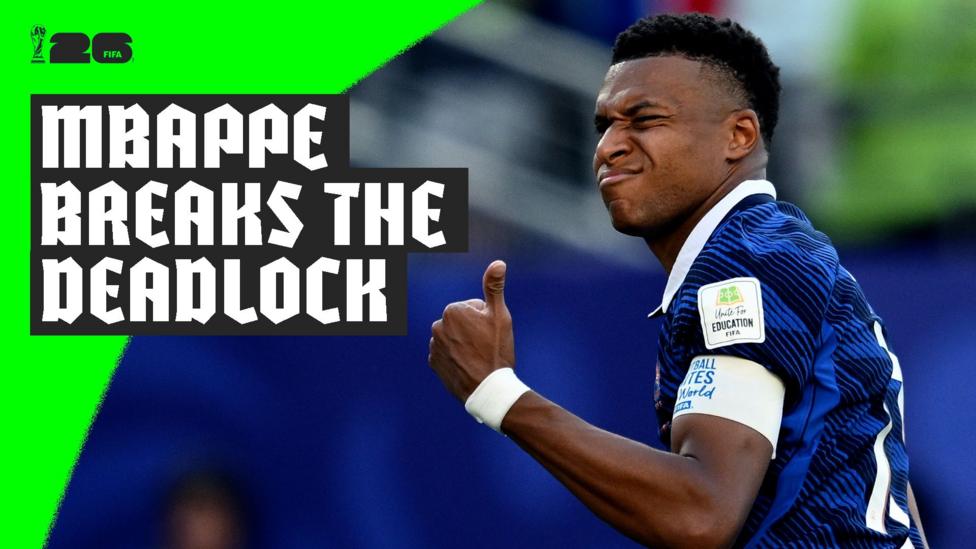
Mbappe Reaches Seven World Cup Goals as France Punish Paraguay
Kylian Mbappe's ice-cold penalty against Paraguay takes him to seven goals at the 2026 World Cup, cementing his status as football's ultimate big-game predator.
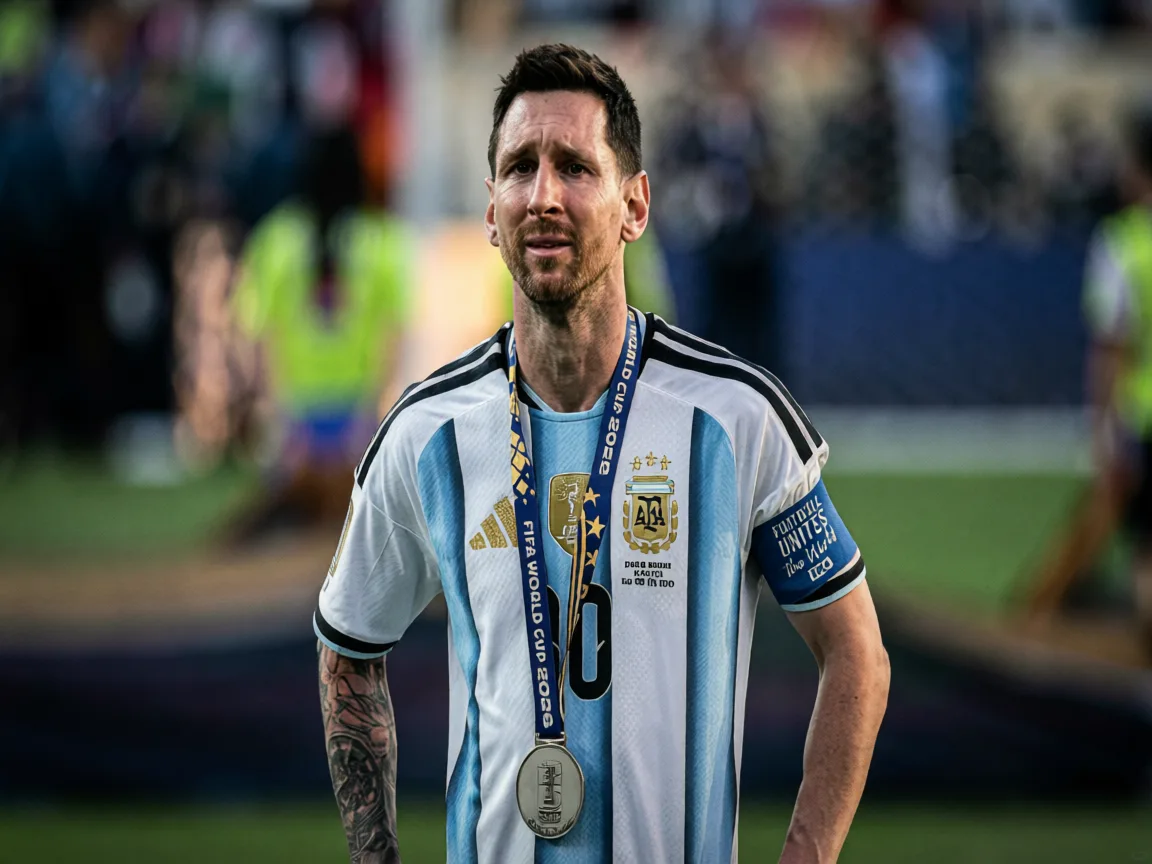
Messi Devastated After World Cup Final Loss to Spain
Lionel Messi says the pain is immense after Argentina fell 1-0 to Spain in the World Cup final, ending his final shot at glory.
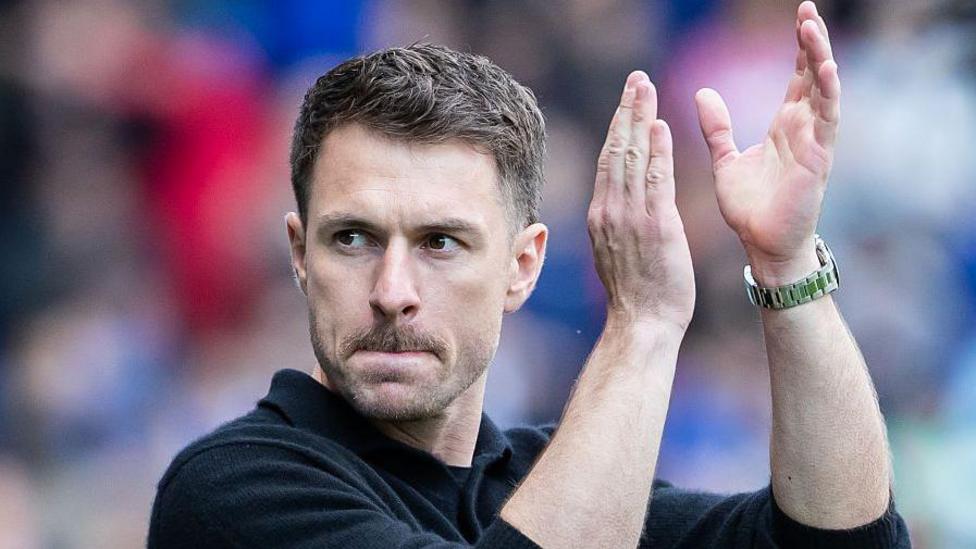
Ramsey Embraces the Crucible: Oxford United's Gamble on Greatness
Aaron Ramsey steps into his first permanent head coach role at Oxford United, promising a high-intensity revolution at League One level.