Tuchel's England Inheritance: Meek Exit Demands Ruthless Euro 2028 Reset
England collapsed meekly at the World Cup and Tuchel must now dismantle the soft underbelly before Euro 2028 qualifying begins.
Thomas Tuchel watched England's World Cup elimination with the detached calm of a man already calculating the rebuild. The manner of the exit was not a dramatic last-gasp tragedy. It was meek. It was surrender. And it laid bare every structural deficiency the Three Lions have papered over for years.
Tuchel inherits a squad brimming with individual talent but bereft of collective identity. The German coach now faces a narrowing window to transform underperforming glamorous pieces into a functional tournament machine. And for the first time since the defeat, Tuchel has publicly addressed his future, making clear he intends to lead that rebuild all the way through Euro 2028.
"I am 100% committed to leading England at Euro 2028 and finding the extra level for glory that eluded us at the World Cup," Tuchel said. "There is enough to improve and I am happy to do that."
The manager is under fire for the manner of Wednesday's 2-1 semi-final defeat in Atlanta. His switch to a back five for the final quarter at 1-0 up did not work, Argentina scoring two late goals to advance into Sunday's final against Spain. The post-match dressing room carried the stale, suffocating atmosphere of stagnation. Players sat in silence, staring at the floor or their phones, waiting for permission to feel disappointed. Coaching staffers gathered in the corridor outside, murmuring about missed pressing triggers and a lack of reaction. There were no tin cups thrown and no voices raised in defiance. Just empty air and acceptance.
This is the culture Tuchel must rip apart before Euro 2028 qualifying begins. And the clock is already ticking loudly.
The Tactical Rot
England's World Cup exit exposed a team that never decided what it wanted to be. In possession, the build-up play was painfully slow and predictable, constantly allowing deep defensive blocks to organize. Out of possession, the pressing was fractured, operating at half-speed and lacking coordination.
The numbers from the tournament tell a brutal story. England averaged just 1.4 expected goals (xG) per match against knockout-stage opposition. They managed a solitary open-play goal across their final two matches. The defensive shape that looked so secure in qualifiers against lower-tier opposition got exposed repeatedly by intelligent off-ball movement.
"The fundamentals of tournament football are intensity, structure, and reaction. You cannot coach structure without first demanding intensity," said Tuchel in his introductory interviews.
Tuchel's pressing philosophy will demand an immediate and severe upgrade in physical output. England's players must transition from passive observers to active hunters. The sterile possession of the previous era must be replaced by purposeful vertical passing.
The Identity Crisis
The central problem is positional selection. England has spent years cramming its best creators into the same starting XI and hoping talent alone would bridge the tactical gaps. The result is a cluttered midfield where nobody takes defensive responsibility and every attacking player wants the ball in the same zones.
Tuchel must make the brutal calls and demote stars whose profiles overlap. The system must dictate selection, not the other way around. Expect the new manager to implement a strict double-pivot to anchor the midfield. This structure will protect the back four and provide a stable launchpad for their dynamic forward players.
3.2 goals per 90 minutes were scored against elite knockout opponents when England lost structural shape. That is a catastrophic figure for a nation boasting some of the most expensive defenders in Europe. Tuchel will immediately drill a compact mid-block and transitional pressing triggers.
The Left-Side Void
The left flank has been England's Achilles heel for a decade. The constant search for a natural left-back has resulted in tactical accommodations that unbalance the XI. Players are asked to operate on their weaker side or invert awkwardly, conceding massive territory space down the flank.
Tuchel must decide whether to commit a pure left-back to anchor the flank or deploy an inverted fullback to tuck inside and overload midfield spaces. Whatever the choice, the ambiguity must end. The World Cup proved that uncertainty in wide areas is an unforgivable liability at the highest level.
The attacking profile on the left also demands a significant recalibration. The tendency to drift centrally and clog the half-spaces must be replaced by genuine width.
The Attacking Conundrum
England's forward line boasts luxury hardware but produces pedestrian output when tight tournament games arrive. The rapid movement of always-demanding Club Brugge stars gets lost when the tactical framework makes their teammates passive and predictable.
Tuchel's history suggests he will engineer his attacking structure around one focal point. The chosen striker will be asked to stretch defenses and occupy center-backs, creating channels for the supporting cast. The attacking midfielders will be granted freedom, but only within a defined box-to-box framework.
The cold reality is that England must accept a lower share of possession in elite matches. They are at their most dangerous when transitions flow rapidly and their pace gets unleashed in space. Tuchel's toppling tactical mind is perfectly suited to this doctrine of controlled chaos.
The Midfield Southeast
The engine room needs a total overhaul. Protectively, the midfield doubled as a red carpet inviting opponents to bypass the lines. Tuchel will demand intense running output and aggressive ball-winning habits.
2.2 interceptions per 90 minutes from the starting central pair was among the lowest figures in the knockout stages. Against proactive opposition, England's midfield was completely bypassed. Tuchel will address this with athletic profiles and players willing to sacrifice personal ambition for collective stability.
The No. 6 role becomes paramount. Tuchel will identify a single anchor capable of reading pressing triggers and distributing under heavy pressure. The chosen player will be the foundation upon which the entire Euro 2028 qualifying campaign is built.
The Goaltkeeper Decision
Jordan Pickford has been a reliable tournament performer, but Tuchel places unique tactical demands on his shot-stoppers. Distribution from the back is non-negotiable. The ability to break lines with precise passing becomes essential to the transitional blueprint.
Tuchel must evaluate whether Pickford's shot-stopping justifies his occasional distribution errors. Alternatively, he must groom a younger option comfortable operating as a sweeper-keeper behind a high defensive line.
The Qualifying Gauntlet
Euro 2028 qualifying presents its own unique psychological challenge. England will face nations content to sit in a low block and frustrate. These matches require patience, positional rotations, and relentless intensity without the ball.
Under previous regimes, England's qualifiers were exhibitions of individual talent overwhelming weaker opposition. Tuchel will treat them differently. Every qualifying match becomes a laboratory to forge the ruthless mentality required for tournament football.
"We will not hide behind talent. We will build a structure that makes talent effective," Tuchel previously stated about his philosophy.
The German's mandate is clear. He must transform England from a collection of expensive parts into a cohesive unit capable of surviving the grueling pressure of tournament knockout football.
What It Means
England's meek World Cup exit is not just a disappointment but a mandate for complete tactical reform. Tuchel inherits a squad with the raw materials to win major tournaments but historical performances prove the sum has consistently fallen short of its parts.
The Euro 2028 cycle will be defined by whether Tuchel can impose his will on a group accustomed to comfort. The early friendlies and qualifiers will signal whether the culture shift is genuine or cosmetic. Expect intense scrutiny on selection choices and pressing metrics from day one.
If Tuchel succeeds, he becomes the architect of England's greatest modern redemption. If he fails, the FA faces uncomfortable questions about handing the national team to external hires. There will be no comfortable middle ground. The era of polite underachievement is over. The ruthless rebuild starts now.
Updated: July 18, 2026 — Added Tuchel's first public response since World Cup exit, confirming 100% commitment to England through Euro 2028 and acknowledging need for improvement.
Editorial Integrity
This is an original SportPulse article written by our editorial team. All content is independently researched, written, and reviewed by our writers and editors before publication. We do not publish copied, aggregated, or syndicated content.
SportPulse is committed to original sports journalism. Read our editorial policy or contact us with any questions.
More Like This
All football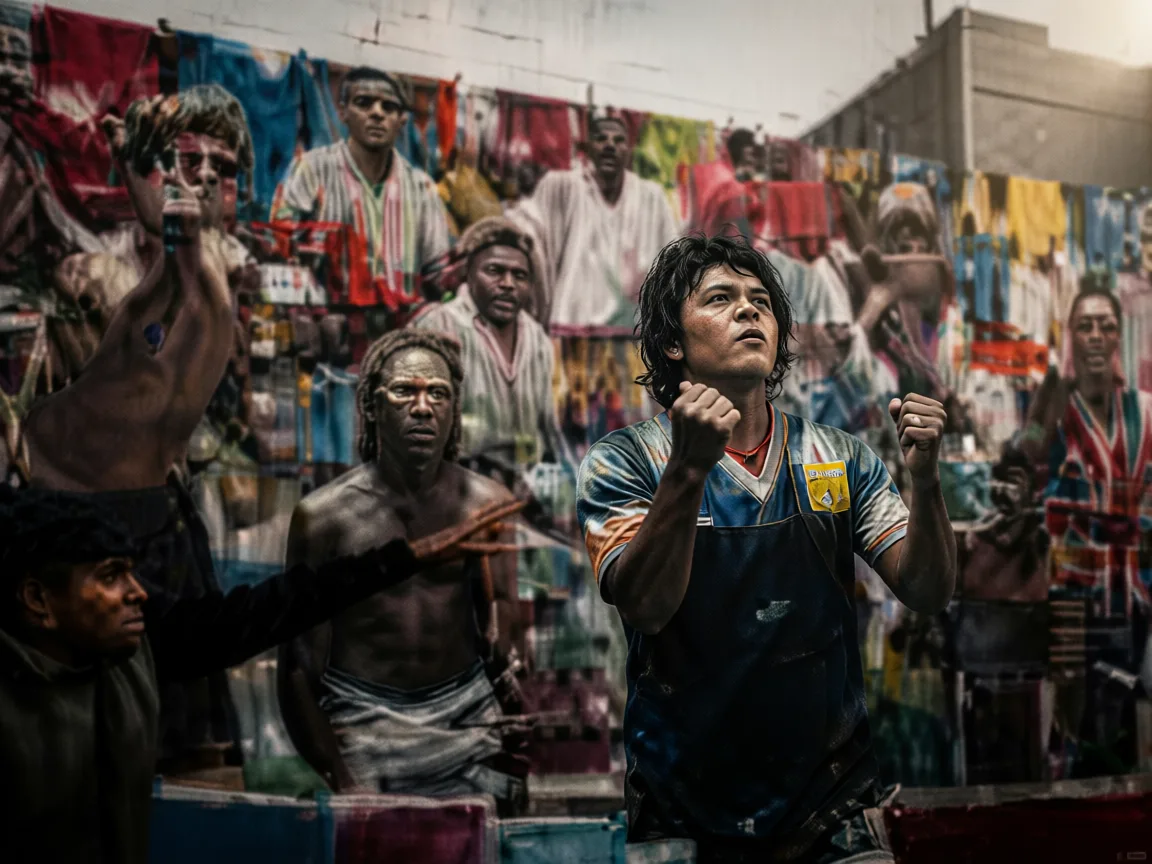
England v Argentina Is Football's Greatest Psychological Battlefield
Beyond the red cards and Hand of God lies a rivalry defined by trophy theft, cultural memory, and a decade-long commitment to petty brilliance.
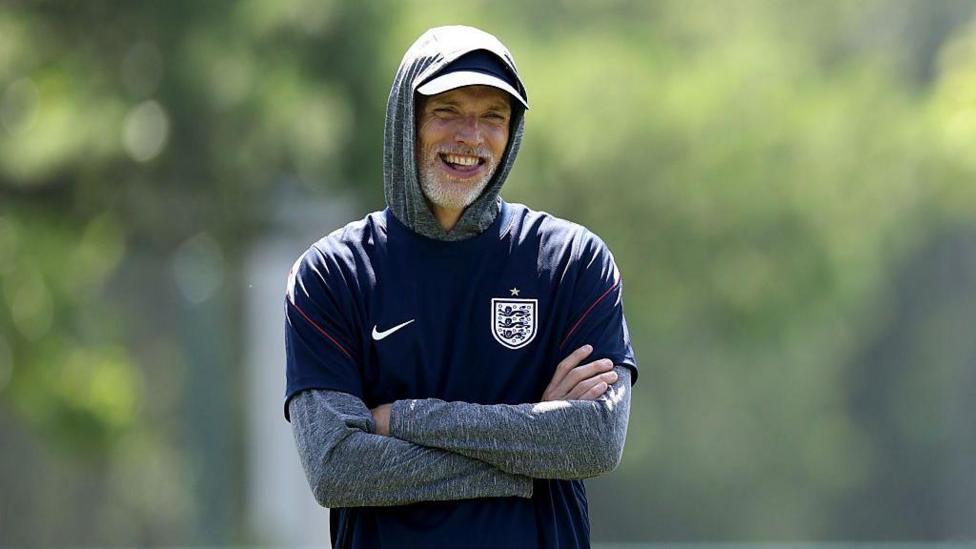
Tuchel Inherits Southgate's Penalty DNA — And England's Shootout Psyche
Tuchel's commitment to Southgate's penalty blueprint reveals how modern international coaching treats shootouts as a science.

Cape Verde's Defiance Meets Yamal's Brilliance as Spain Wake Up
The Atlantic minnows keep rewriting their own history while Spain finally resemble the tournament favorites they were built to be.