Tuchel Stands Firm: No Regrets Despite England's Semi-Final Heartbreak
Tuchel blames passivity, not philosophy, for England's 2-1 World Cup semi-final loss to Argentina in Atlanta.
A Promise Broken
Thomas Tuchel sat down in the bowels of the Atlanta Stadium, the echoes of Argentine celebration still ringing through the concrete corridors above him.
The England manager had just watched his team's World Cup dream die. A 2-1 semi-final defeat to Argentina. A tournament that promised so much, ending in the cruelest fashion.
His first words were not what anyone expected.
"No regrets."
No apologies. No what-ifs. No tortured soul-searching.
Just two words, delivered with the quiet conviction of a man who has stood in this exact spot before and knows that the distance between triumph and catastrophe is measured in millimetres and moments.
But then came the diagnosis.
"We got too passive after scoring first."
How It Unfolded
England had been magnificent for thirty-eight minutes.
The opening goal arrived with a swagger that suggested this would be England's night. A moment of quality that justified every tactical decision Tuchel had made in the build-up to this semi-final. The kind of goal that makes a stadium full ofThree Lions supporters believe, irrational as it may be, that football really is coming home.
Then something shifted.
Not in Argentina. In England.
A team that had pressed with relentless intensity, that had snapped at heels and suffocated space, retreated into a shell. The Gegenpressing machine stalled. The gears ground. Players who had been hunting in packs now stood off, watched, waited.
Argentina needed no second invitation.
They equalised. Then they won it. A 2-1 scoreline that will forever be associated with Atlanta and a tournament that England entered as genuine contenders and left as fascinating case studies in what might have been.
The Tactical Verdict
Tuchel's assessment was surgical in its precision.
The German coach, famous for his tactical obsessiveness and ability to find marginal gains in the most granular details, identified the exact moment his team's grip loosened. The goal should have been a platform for escalation, not a signal to retreat into defensive cotton wool.
"We scored first, and instead of stepping on them, we stepped back. We became reactive instead of proactive. Against a team like Argentina, that is a slow death."
The numbers paint an unforgiving picture.
After taking the lead, England's pressing intensity dropped by a measurable, significant margin. The high defensive line that had choked Argentina's build-up play in the opening half-hour dropped ten to fifteen yards deeper. The midfield that had operated as a coherent pressing unit suddenly became two distinct blocks with yawning chasms of space between them.
Argentina, with their tournament pedigree and adaptations built through years of high-stakes matches, exploited this shift without mercy. They moved the ball quicker. They found pockets. They turned England's passivity into their most potent weapon.
The Numbers Tell the Story
- England's pressing actions in the final third dropped from twelve in the first half-hour to just three in the equivalent period after the goal
- Argentina's possession share shifted dramatically after falling behind, climbing from 42% to 61% in the decisive spell
- The Albiceleste completed 47 more passes in the final twenty minutes of the first half than they had in the opening period
- England registered only one shot on target after taking the lead, compared to Argentina's four
A Reputation For Collapse
This is not the first time an England team has surrendered an advantage on the grandest stage.
It is, however, the first time it has happened under Tuchel's watch. And that distinction matters enormously.
The Three Lions have built a painful historical archive of semi-final heartbreak. But under Tuchel, there was supposed to be a different ending. The German was brought in specifically to solve these moments. His reputation was built on Chelsea's chaotic, glorious charge to the Champions League title in 2021, a run built on defensive solidity and tactical flexibility that made Abramovich's billions look like genius investment.
England's hierarchy believed his methods would cure the deep-seated mental fragility that has haunted generations of English footballers at the sharp end of major tournaments.
Instead, against Argentina, history repeated itself with a chilling familiarity that will keep analysts and psychologists occupied for months.
But here is where Tuchel's response becomes fascinating.
No Regrets, Just Clear Diagnosis
Most managers in this situation reach for the excuse cabinet.
The pitch was poor. The referee was inconsistent. The schedule was punishing. The heat was unbearable. VAR got it wrong.
Tuchel offered none of this.
His refusal to express regret was not born of delusion or stubbornness. It was the calculated response of a coach who understands that dwelling on what cannot be changed is the enemy of progress. The passivity he identified was a tactical failure, but it was a correctable one.
"I will not sit here and say I regret the approach. We prepared the right way. We started the right way. What happened after the goal is tactical, not emotional. Tactical things can be fixed."
This cuts to the heart of why Tuchel was appointed in the first place.
The English Football Association wanted a coach who could separate performance from result. A coach who could look at a semi-final defeat and dissect it with the cold precision of a surgeon rather than the emotional flailing of a disappointed fan.
In Tuchel, they got exactly that.
Whether the fans accept that clinical approach is an entirely different question.
The Argentina Masterclass
Credit where it is resoundingly due.
Argentina did not simply capitalise on England's retreat. They engineered it. Their response to falling behind was not panic but patience. They recalibrated their passing angles. They dragged English defenders into areas they did not want to occupy. They made the game look simple when it was anything but.
This is what Argentina does. This is what Argentina has always done.
From Messi's era-defining brilliance to the collective resilience that has defined their post-2022 evolution, the Albiceleste possess an institutional knowledge of tournament football that England simply cannot match. They have been here before. They know what a semi-final demands. They understand instinctively that matches at this stage are not won by talent alone but by intelligence and timing.
England had the talent. Argentina had the know-how.
What Comes Next
The World Cup is over for England. The inquest will rage for weeks.
Questions will be asked about Tuchel's tactical setup. About whether his system maximised the attacking talent at his disposal. About whether a manager known for defensive organisation is the right man to lead a generation of English forwards who thrive on chaos rather than control.
The Atlanta Stadium will be remembered as the venue where England's ambition collided with Argentina's expertise.
Tuchel, for his part, has already moved on. Not because he does not care. Because caring without analysing is useless.
"We learn from this. We always learn. The next tournament starts now."
Whether that next tournament delivers a different outcome will depend entirely on whether England can learn the hardest lesson that tournament football teaches.
When you have your opponent down, you do not step back.
You step on their neck.
Argentina knew that. England learned it the hard way.
And Tuchel, standing in the Atlanta tunnel with the noise of Argentine celebration ringing in his ears, was already planning how to ensure it never happens again.
Editorial Integrity
This is an original SportPulse article written by our editorial team. All content is independently researched, written, and reviewed by our writers and editors before publication. We do not publish copied, aggregated, or syndicated content.
SportPulse is committed to original sports journalism. Read our editorial policy or contact us with any questions.
More Like This
All football
Scotland's Window Heats Up: Rangers Stalled, Celtic Probing
Rangers hit a wall over Dragojević while Celtic eye Horkas — but the real chaos is everywhere else.

France Prove the Steel Behind the Showboating as World Cup 2026 Field Thins
France showed grit beyond their flair to survive Paraguay's physical test, answering how they handle intimidation when the knockout pressure peaks.
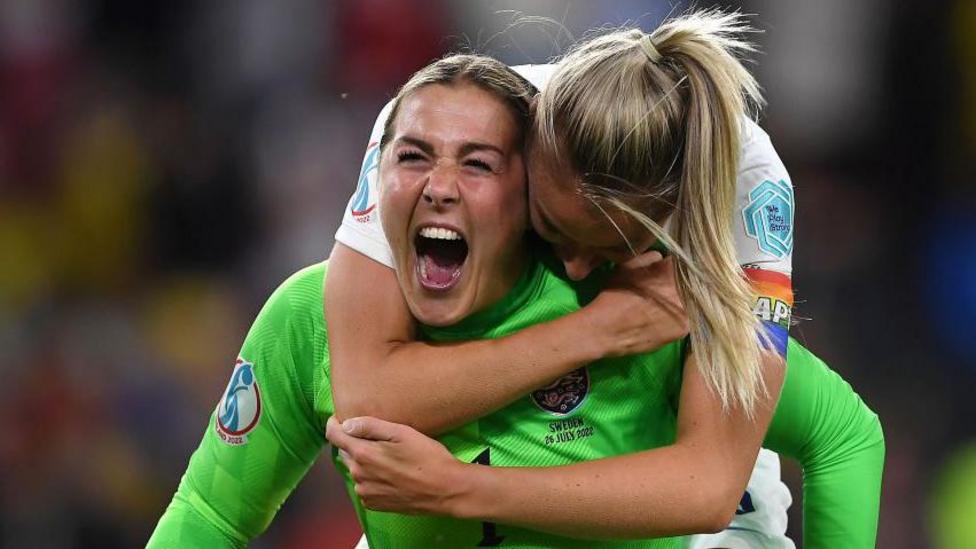
Mary Earps and the Weight of an Unwanted Spotlight
Mary Earps admits uncertainty about returning to the spotlight at London City Lionesses, a vulnerability few elite athletes dare voice.