Tuchel Unleashes: Refereeing 'Not Good Enough' as England Survive Azteca
England's 3-2 thriller over Mexico in Mexico City was marred by chaotic officiating that pushed Tuchel to the edge.
England survived. Barely. But the post-match narrative wasn't about the scoreline or the opposition. It was about the man in the technical area and his absolute fury.
Thomas Tuchel watched his England side claim a 3-2 victory over Mexico at the iconic Azteca Stadium on Sunday night. He should have been celebrating a statement win. Instead, he was issuing a warning that threatens to define this World Cup.
The German coach didn't mince words. He called the standard of officiating unreliable and erratic. He suggested teams could be knocked out because of officials, not opponents. This wasn't a calculated media play. This was raw emotion.
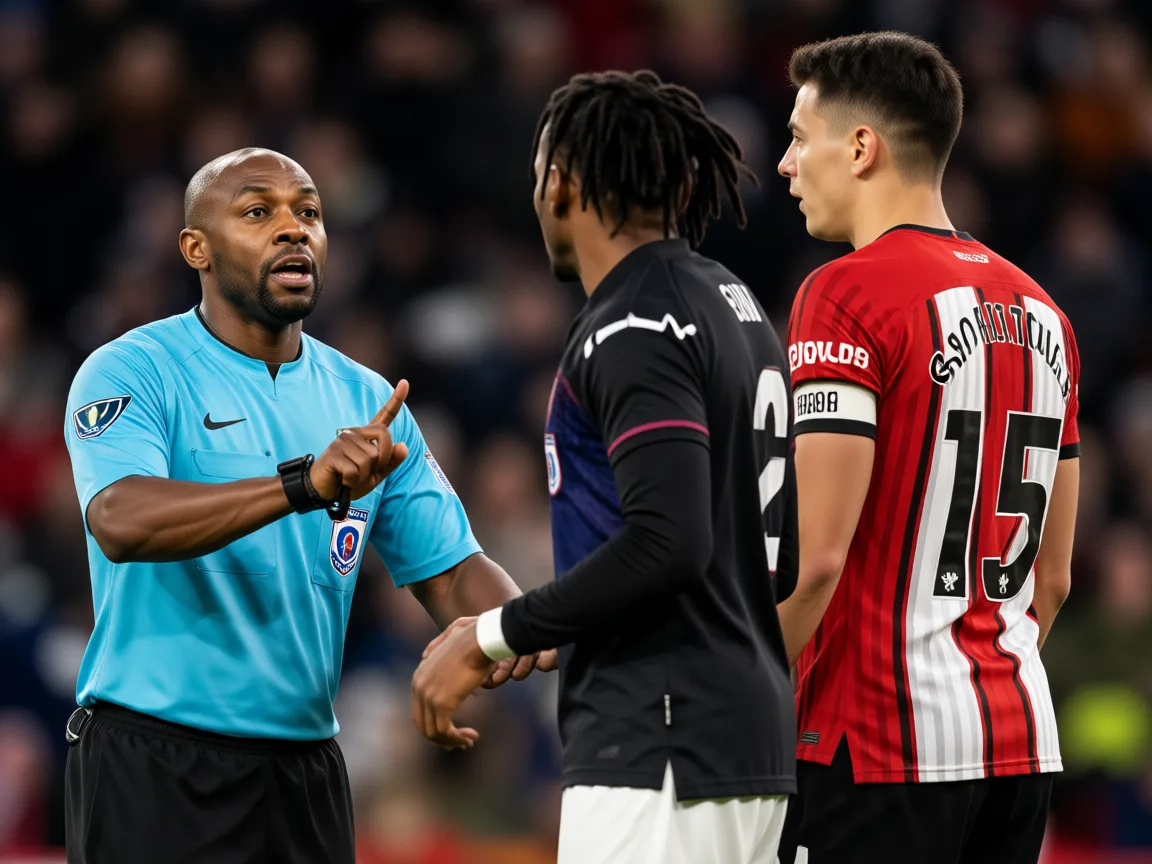
Jarell Quansah was at the center of the storm. The defender received a red card after a VAR review for a tackle that divided opinion. Tuchel's frustration bubbled over at the inconsistency, claiming players don't know what to expect.
Chaos at the Azteca
The match itself was a test of England's credentials under extreme conditions. Playing at altitude in front of a hostile crowd, England faced a Mexico side energized by a home crowd that had been waiting for this moment.
Three goals against any international side represents a productive day in attack. But conceding two and playing the closing stretch with ten men transforms责任制 the narrative from comfortable win to served-edge survival.
Winning at the Azteca is a badge of honor in international football. Few teams manage it. Few teams even compete when the conditions and the crowd conspire against them.
Tuchel acknowledged this. He framed the result as fuel for the belief that England are here to stay. But his praise for the players was immediately followed by his demolition of the officials.
Tuchel's Breaking Point
This wasn't the first time a coach has complained about refereeing at a major tournament. It won't be the last. But the specificity and intensity of Tuchel's comments matter.
This is a coach who has managed at the highest level in Germany, France, and England. He has won the Champions League. He understands tournament football. When he says officiating has been not good enough across the board, he's not freelancing. He's speaking from observation.
The VAR system was introduced to eliminate controversy. Instead, it has often amplified it. The recommendation to review Quansah's tackle and the resulting red card became a tipping point for Tuchel, who has watched multiple games undermined by decisions that lack consistency.
Players are adapting their games based on what they think officials will tolerate. When that tolerance level changes game to game, it creates confusion and danger.
The Red Card That Ignored a Storm
Tuchel's frustration wasn't simply about one decision. It was about the accumulation. The sense that each game brings a new interpretation of the rules, a new threshold for intervention, a new set of expectations that players must guess at.
"Players do not know what to expect during games. Teams are at risk of being knocked out because of poor refereeing decisions."
In the immediate aftermath, with the adrenaline of a hard-fought victory still coursing through his veins, Tuchel didn't hold back. His language was clear. His message was urgent.
Quansah's dismissal forced England to defend deep, to rely on instinct, to survive rather than play. Against a Mexican side with everything to play for, that was a dangerous existence.
The fact that England held on doesn't validate the red card. It simply means they coped with the consequence. Tuchel was keenly aware of that distinction.
Inside the Dressing Room:olders
Inside the England dressing room afterward, the mood was relief mixed with defiance. There was no champagne. No over-the-top celebration. Just a quiet acknowledgment that they had passed a severe test under the most trying circumstances.
Tuchel moved between groups of players, offering quiet words and physical gestures of approval. Players slumped in chairs, exhausted from the altitude and the tension. The medical staff worked through the room, checking on strained muscles and depleted energy levels.
In one corner, the defenders who had thrown their bodies on the line in the final minutes sat with ice packs strapped to their legs. The contrast between the muted celebrations and the intensity of their effort was striking.
Tuchel gathered the squad before they left the dressing room. His message was direct: they had proven something at the Azteca, but the tournament is long and the officiating storm isn't going away.
The Bigger Picture for England
The victory gives England 3 points and, perhaps more importantly, a psychological boost. Beating Mexico in Mexico City is a statement. Doing it with ten men is a defining moment.
But Tuchel isn't interested in moral victories or pageantry. He wants the focus on the performance and on the factors that can derail a tournament. His message is clear: England have the quality to go all the way, but the officiating risks bending that trajectory.
The numbers support Tuchel's optimism about his squad's quality. Three goals scored against a capable Mexico side at the Azteca is a significant return. England's attacking structure functioned, their set-piece threat remained, and their defensive resilience under pressure earned its keep.
However, the underlying numbers related to officiating also support his anger. The inconsistency across games has been noted by multiple teams, not just England.
- 3 goals scored against Mexico at the Azteca, a venue where England had never previously won a competitive match
- 10 men on the field for the closing stretch, requiring a defensive restructure that exposed depth and character
- 1 red card issued after VAR intervention, the decision that triggered Tuchel's outburst
A Tournament on Notice
Tuchel's comments will reverberate beyond the England camp. Other coaches and federations will be watching the response from FIFA and the refereeing committee. If Tuchel is willing to speak this forcefully after a win, the pressure on governing bodies will only intensify.
The concern is that officiating becomes the story of this World Cup, overshadowing the football. Tuchel is right to be worried. The quality of the tournament depends on the quality of the decisions.
For now, England move forward with belief and with ammunition. Tuchel has put the refereeing establishment on notice. Whether his words trigger change or simply add to the noise remains the tournament's subtext.
What It Means
England have proven they can win ugly. At a tournament like the World Cup, that's gold dust. Surviving at the Azteca with ten men is a statement of resilience.
Tuchel's public broadside against officiating is calculated. He is protecting his players by absorbing attention himself. He is also sending a message to FIFA that England will not quietly accept poor decisions.
The road ahead requires England to maintain this level of performance while avoiding the kind of officiating flashpoints that can derail a campaign. Tuchel knows this. He has been here before.
Victory at the Azteca fuels belief. Tuchel's fury wasn't with the Azteca. It was with the people in charge of protecting the game's integrity. His warning was simple: fix it, or watch the World Cup be decided by officials rather than players.
England are here to stay. Tuchel intends to make sure everyone understands why.
Editorial Integrity
This is an original SportPulse article written by our editorial team. All content is independently researched, written, and reviewed by our writers and editors before publication. We do not publish copied, aggregated, or syndicated content.
SportPulse is committed to original sports journalism. Read our editorial policy or contact us with any questions.
More Like This
All football
England Conquer Azteca: Rain, Noise and Ghosts Banished
England stood in the Azteca deluge and silenced a century of footballing ghosts on the most extraordinary night.
Webb Bets Structural Reform on Diverse Recruitment Pipeline
England's refereeing chief backs diversity drives and a merged Professional Referee Group from 2026-27.

Shapoor Zadran Dies Aged 38: The Quiet Architect of Afghan Cricket
The death of Shapoor Zadran marks the end of an era for Afghan cricket, silencing a foundational voice too soon.