Tuchel's Tactical Scramble: How England's Backline Rescued a Messy Win
Tuchel's half-time misstep handed Norway the initiative, but Spence, Stones, and Burn keyed a defiant defensive stand in extra time.
Thomas Tuchel has built his coaching reputation on defensive structure, on the kind of organized, proactive pressing that suffocates opponents before they can breathe. But the image of England surviving a chaotic period of extra time in Miami felt less like a calculated tactical masterclass and more like a feverish retreat into the trenches, reminiscent of England's historical defensive doggedness. It was a match won not by proactive pressing but by sheer physical resilience, with Dan Burn thumping headers clear and a back five finally grinding Norway's attacks to a halt.
The opening half suggested Tuchel's plan was built on midfield control: using Declan Rice as a defensive pivot to free the forwards for quick transitions. Yet Rice entered the interval feeling unwell, forcing off a key component of the engine room. Tuchel's adjustment to remove him looked like the most routine of changes at the time; in reality, it handed the match's tactical center to Norway's Martin Ødegaard, who found himself suddenly free of the defensive architecture that had been confining him.
From the restart, Ødegaard dominated the half-spaces and started pinging passes through lines that had been firmly held before the break. The shape England assumed without Rice's ball-progression became disjointed and nervous, allowing Norway to build momentum. Jordan Pickford grew increasingly skittish behind a back line losing its toes, flapping at crosses and struggling to play out under pressure.
The Tactical Shift
Tuchel's first adjustment to stem the tide was a defensive one: Reece James replaced Anthony Gordon. The substitution stabilized the flank defensively but stripped England of one of their primary counter-attacking outlets. With Gordon off, the team traded verticality for control, but without Rice orchestrating transitions, they lost both weapons simultaneously. Norway recognized the shift and pushed higher.
It was only when Tuchel introduced Morgan Rogers that balance was restored. Rogers brought counter-pressing intensity to the midfield, plugging the gaps Ødegaard had been exploiting. The young midfielder's energy allowed England to win the ball back in advanced areas, disrupting Norway's rhythm and buying time for the defense to reorganize.
The Defensive Resolution
As the match wore into extra time, England slipped into what observers called a gritty "Azteca mode": a reference to historic, last-ditch defensive displays. The back five became the story:
- Reece James and Djed Spence flanked the defense with remarkable discipline, nullifying wide overloads.
- John Stones read the play with quiet authority, intercepting key passes.
- Dan Burn became the aerial enforcer, clearing crosses and long balls with commanding headers.
- Elliot Anderson took charge of midfield alone, screening the backline and breaking up Norway's central thrusts.
Norway's challenge diminished when their towering striker went off, removing the focal point that had been causing England's center-backs maximum discomfort. Without that target man, Norway lacked the means to convert territorial pressure into clear chances.
Spence and Stones Make Their Case
Djed Spence was magnificent on the flank. His recovery pace and positional sense repeatedly denied Norway's wide players. Spence has often been viewed as a raw athletic talent; here, he demonstrated the tactical intelligence Tuchel demands of his full-backs, holding his line and choosing moments to step forward with precision.
John Stones offered his usual blend of composure and anticipation. His ability to step into midfield and break lines with the ball is a key part of Tuchel's build-up strategy, and against Norway his reading of the game prevented multiple dangerous transitions. Stones embodies the ball-playing defender archetype that Tuchel's system relies upon to maintain possession under pressure.
"We talk about courage on the ball, but courage also means putting your body on the line when the system isn't perfect," a member of England's backroom staff noted afterwards.
The quote captures the essence of England's performance. It was not the fluid, dominant display Tuchel prefers, but it was a display of collective fortitude that will not be overlooked when the final squad selections approach.
What This Means for Tuchel
The Norway game revealed a critical vulnerability: England's dependence on Rice as the system's anchor. When removed, the entire structure wobbled. Tuchel needs to develop a Plan B for when his primary midfielder is unavailable, whether through illness, suspension, or tactical fouls. The introduction of Rogers offered a glimpse of that alternative, but it took Tuchel two substitutions to find the right formula.
Rice's unavailability at half-time was the match's pivotal moment, not because of the player himself, but because it forced Tuchel into reactive rather than proactive management. A coach of his caliber usually anticipates these disruptions; here, it took him an entire half to recalibrate. The lesson is clear: a double pivot or a more embedded rotation policy in midfield is necessary to absorb such shocks.
Individual Stock Rising
Several players enhanced their claims for regular inclusion:
- Spence's defensive maturity answered questions about his reliability under sustained pressure.
- Anderson's solo midfield shift in extra time showed he can be trusted as a genuine Rice alternative.
- Burn's aerial dominance provided the kind of physical insurance Tuchel values against direct opponents.
These individual performances matter because Tuchel's England project is still in its formative stages. Every match is an audition for the hierarchy he is building, and nights like this provide valuable data.
Looking Ahead
England's next fixture will demand more proactive control from the outset. Tuchel will want to see his side impose their pressing structure from the first whistle, rather than retreating into a back five as a panic response. The lesson from Norway is that England can survive chaos; the challenge now is to prevent chaos from taking hold in the first place.
For Norway, the performance will offer both encouragement and frustration. Ødegaard's influence was clear, but the failure to capitalize on England's disarray highlights the need for more clinical finishing. The departure of their target man proved costly, and finding alternative routes to goal will be a priority.
Tuchel will ultimately take the win, but he knows the performance was far from the standard he demands. The tactical narrative of this match is not one of a coach at the peak of his powers, but of a team still learning what it takes to win ugly when the system breaks down. For England, that resilience is a foundation worth building upon.
Editorial Integrity
This is an original SportPulse article written by our editorial team. All content is independently researched, written, and reviewed by our writers and editors before publication. We do not publish copied, aggregated, or syndicated content.
SportPulse is committed to original sports journalism. Read our editorial policy or contact us with any questions.
More Like This
All football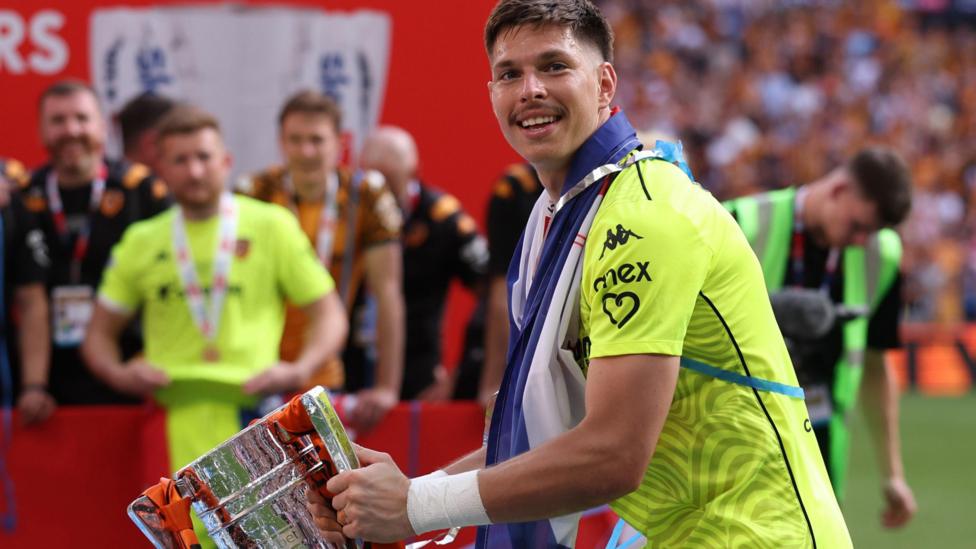
Rangers Seal Pandur Capture From Hull to Bolster Goalkeeping Ranks
Rangers land Croatian goalkeeper Ivor Pandur from Hull City, adding depth and competition behind Jack Butland at Ibrox.

Ecuador Shatter Germany's Composure as World Cup Group Stage Delivers Chaos
Ecuador's victory over Germany sends shockwaves through the 2026 World Cup, while Australia scrape through via a draw.

FIFA's Hydration Breaks Are a Trojan Horse for Commercializing Football's Rhythm
Mandatory water breaks are less about player welfare and more about protecting lucrative, scheduled advertising slots in global broadcasts.