Unlicensed Casino Sponsorship Ban Threatens Premier League Revenue
A UK government ban on unlicensed casino sponsorships could force clubs like Everton to find new revenue streams by 2027.
The Shadow Economy of the Shirt Front
The front of a Premier League jersey is the most expensive 12 inches of real estate in English football. For clubs scrambling to balance the books under Profitability and Sustainability rules (PSR), gambling money has long been the shortcut. Now the UK government is moving to close one particular loophole, and the ripple effects could hit clubs already living on the financial edge.
The government confirmed plans this week to ban unlicensed casinos from sponsoring British sports teams. The proposal, aimed at protecting vulnerable consumers and choking off money laundering channels used by organised crime, could take effect as early as next year. That timeline alone is enough to send finance directors across the Premier League and Championship into emergency board meetings.
Everton and the Waiting Game
Everton FC are the club most visibly exposed. The Toffees have carried sponsorship from a gambling operator with ties to unlicensed casino operations, a relationship that has drawn scrutiny precisely because of the club's precarious financial position. With new owners taking over at Bramley-Moore Dock and ** stadium financing costs still looming large**, the prospect of losing a commercial partner mid-contract is a genuine headache.
But Everton are not alone. The broader Premier League landscape is saturated with gambling logos. Of the 20 clubs in the 2023-24 top flight, over half displayed some form of betting-related branding on their shirts or stadia. Many of those partnerships generate between £5 million and £10 million annually for mid-tier clubs whose operating margins are already razor-thin.
The government's proposal targets a specific subset: unlicensed operators that fall outside the UK Gambling Commission's regulatory perimeter. These entities often operate offshore, lack proper consumer protection protocols, and present what Whitehall sees as an unacceptable risk for being used as conduits for illicit financial flows. Banning their access to British sport is, in the government's framing, both a public health measure and a financial crime prevention tool.
"This is about closing the door on organised crime using the prestige of British sport to legitimise dirty money."
The quote, from a government source familiar with the proposals, captures the dual imperative driving the policy. It is not merely about stopping(problem) gambling; it is about cutting the reputational supply line that позволяет sportswashing by any other name.
The Regulatory Tightening
The UK's gambling sector has been subject to increasing scrutiny since the 2005 Gambling Act was deemed insufficient for the digital age. The Gambling Review White Paper published in April 2023 outlined a series of reforms. Affordability checks, stake limits on online slots, and tighter advertising rules all formed part of a comprehensive reshaping of the regulatory landscape.
The latest proposal extends this philosophy into the sponsorship realm. Key implications include:
- Banned from 2025/2026: Unlicensed offshore casinos would lose the right to sponsorship deals in UK sport, pending final legislative timing
- Affected parties: Premier League clubs, EFL clubs, and motorsport entities operating in the UK, including Formula 1
- Financial gap: Clubs may need to backfill commercial revenue at a time when PSR penalties have already cost clubs like Everton and Nottingham Forest points
- Regulatory scope: The UK Gambling Commission would gain enhanced powers to define and enforce the licensing threshold for any operator seeking UK sponsorship visibility
The timing matters. English football is in a period of financial contraction, not expansion. The combined impact of COVID-era losses, inflationary wage pressures, and stricter PSR enforcement has left many clubs selling assets just to remain compliant. Removing a sponsorship category, even a relatively narrow one, compounds the pressure.
Formula One's Cross-Border Complications
The Premier League is not the only affected property. Formula 1, which stages the British Grand Prix at Silverstone and operates teams based in the UK, also faces complications. Several F1 constructors carry sponsorship from betting entities, some of which operate in regulatory grey zones across different jurisdictions.
F1's global footprint makes enforcement complex. A team headquartered in Milton Keynes might carry branding from an operator licensed in Malta but not in the UK. Whether the ban applies purely to UK-based events or extends to all broadcasts and digital media reaching British audiences remains a critical legal question. The government's position suggests it intends to cast a wide net, which could force teams to geoblock or alter livery for British races.
For a sport that loves regulatory conformity — standardised engines, standardised budgets, standardised petrol — the idea of bespoke national sponsor restrictions feels awkwardly analog in a digital-first century.
Who Gets Hurt Most?
The clubs most vulnerable to this ban are not the traditional Big Six. Manchester City, Liverpool, Arsenal, Manchester United, and Tottenham all derive their shirt sponsorship revenue from non-gambling partners in sectors like airlines, telecommunications, and technology. Chelsea's partnership with an online casino falls under the licensed category, meaning they would likely remain unaffected by the new rules.
The real impact sits further down the table. Clubs like Burnley, Fulham, Bournemouth, and Wolves have all carried gambling sponsors in recent seasons. For these clubs, switching to a non-gambling sponsor often means accepting 30% to 40% less in annual fee value. The market for ethical, high-value commercial partners is limited, and the premium that gambling companies pay reflects the regulatory risk they absorb.
This creates a two-tier commercial landscape where the wealthiest clubs are insulated and the clubs fighting for Premier League survival face yet another financial headwind.
The Grey-to-White Transition
Clubs and their advisors have been anticipating some form of gambling sponsorship restriction for years. The Premier League's voluntary agreement to phase out front-of-shirt gambling sponsors by the end of the 2025-26 season was a preemptive move designed to give clubs time to pivot. However, that agreement does not cover stadium branding, training kit deals, or sleeve sponsorships. The government's proposal casts a wider net.
For clubs already in the grey — those partnered with licensed-but-borderline operators — the transition to new partners is already underway. For those in the darker grey, those with unlicensed casino deals, the timeline compresses dramatically. A contract signed in good faith 18 months ago may now become legally unenforceable, leaving clubs without a sponsor and without compensation.
The insurance market for sponsorship interruption is limited and expensive. Specialist brokers estimate that premiums for coverage protecting against regulatory change have risen 22% year-on-year, a reflection of how much policy uncertainty already exists in the sports commercial sector.
Verdict
The ban on unlicensed casino sponsorships is a targeted intervention with disproportionate consequences. It protects consumers and disrupts organised crime — legitimate and necessary goals. But it also accelerates a commercial reckoning in English football that many clubs are ill-prepared to navigate. The gap between the Big Six and the rest is about to widen, not because of performance on the pitch, but because of regulatory compliance off it.
The Premier League has survived gambling sponsorships before, and it will survive without them. But for clubs like Everton, already navigating financial turbulence, this is one more draft in an already cold wind. The clubs that pivot fastest to alternative revenue categories — fintech, green energy, health tech — will weather the change. Those that wait for the market to adjust may find that the market has adjusted without them.
The Bottom Line: British football's relationship with gambling money is ending not with a negotiated farewell but with a regulatory shove. The clubs that recognise this and act now will protect their balance sheets. Those that cling to the old model will discover that compliance costs more than sponsorship.
Editorial Integrity
This is an original SportPulse article written by our editorial team. All content is independently researched, written, and reviewed by our writers and editors before publication. We do not publish copied, aggregated, or syndicated content.
SportPulse is committed to original sports journalism. Read our editorial policy or contact us with any questions.
More Like This
All football
Rugby Park Reborn: McCann Transforms Kilmarnock from Relegation Scrap to Top-Six Ambition
Neil McCann has sparked an extraordinary mood shift at Kilmarnock, turning relegation fears into genuine top-six dreams ahead of the new season.

Everton and Spurs Signal Intent With Statement Transfer Moves
Two very different deals, one shared message: both clubs are building something serious this summer.
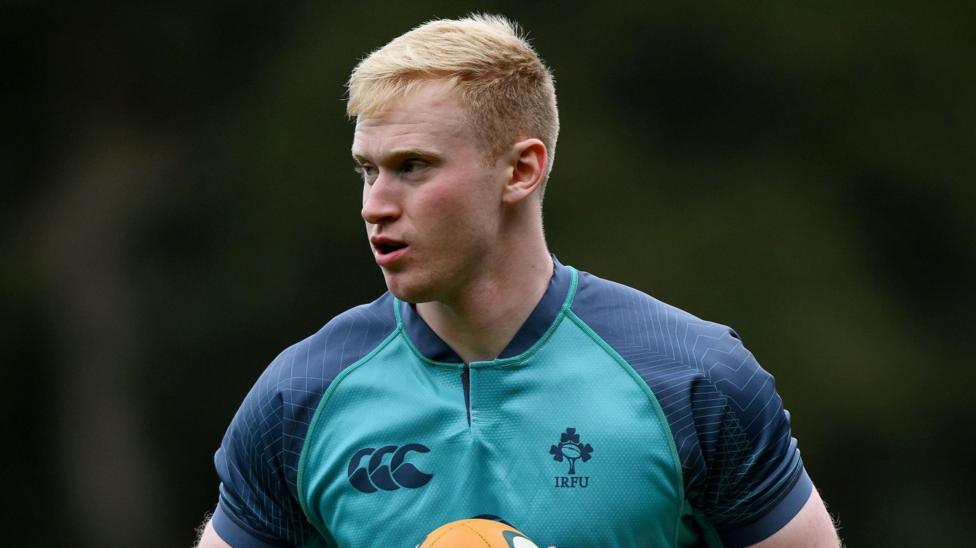
Osborne Steps Into the Void as Ireland's Wing Crisis Deepens
With Lowe gone and O'Brien crocked, Jamie Osborne must prove he belongs on Ireland's Test wing.