USMNT's 2030 Roadmap: Chaos, Opportunity, and the Pochettino Puzzle
The US enters the 2030 cycle with a coaching limbo, a sporting director vacancy, and a golden tournament window to rebuild.
The Void After the Whistle
The confetti had barely settled. The stadiums were still echoing. And somewhere in the bowels of American soccer's infrastructure, the cracks were already widening.
The 2026 World Cup on home soil was supposed to be the coronation. Instead, it ended in the kind of disillusionment that leaves scars. A campaign promising promise delivered despair. The fun faded fast.
Now the United States men's national team stares into the most consequential four-year window in its history. The 2030 cycle has begun, and the alarm bells should be ringing loud.
"After a fun World Cup with a dismal end, the US enters the 2030 cycle with numerous avenues to rebuild the squad."
That is the reality facing whoever takes the wheel. Numerous avenues, yes, but also a maze of uncertainty.
The Pochettino Standoff
Mauricio Pochettino's contract situation is a ticking clock.
US Soccer has made an extension offer. The Argentine tactician has not signed. Both parties have stepped back.
This is not how stability looks.
Pochettino was the splash hire meant to drag the program into the modern era. A coach with Champions League pedigree, Premier League experience, and the kind of tactical sophistication American soccer has craved for decades. But his deal was always a tournament-to-tournament proposition, and now the moment of truth arrives with neither side showing urgency.
The silence speaks volumes.
It whispers that Pochettino may be weighing whether the USMNT project is worth the next four years. It whispers that US Soccer might be hedging its bets, reluctant to commit fully to a coach whose World Cup ended in that dismal fashion. And it whispers that somewhere, a European club with ambition and resources might be circling.
The standoff is not merely a contract negotiation. It is a referendum on whether the United States can retain top-tier coaching talent when the spotlight dims.
The Crocker Catastrophe
Then there is the Matt Crocker situation.
The sporting director's abrupt exit stung. Not just because of the timing, which was brutal enough, but because of the destination. Saudi Arabia called. Crocker answered.
"Matt Crocker's abrupt exit as sporting director to take a similar job with Saudi Arabia before the World Cup begs more queries about the direction of the sport in this country."
This is more than a personnel move. It is a signal flare.
The sporting director role is the architectural backbone of any national team program. Crocker was supposed to be the visionary, the architect of a system that identified, developed, and deployed talent with precision. His departure to a Middle Eastern project flush with oil money and ambition raises uncomfortable questions.
Is American soccer a stepping stone now? A launchpad for ambitious executives who want a bigger stage? A place to build a resume before cashing in elsewhere?
The US Soccer Federation must answer these questions. Not with press releases, but with actions. Finding Crocker's replacement is urgent. Finding someone who views the role as a destination, not a layover, is existential.
The Core Question: Aging or Peaking?
Most of the 2026 squad's core still projects to contend for 2030.
Key word: projects.
Four years is a long time. In football, four years is an eternity. Players who looked world-class at 24 can look pedestrian at 28. Others who barely featured at 22 can become indispensable by 26. The trajectory is never linear.
Consider the timeline. The generation that carried American hopes into 2026, Christian Pulisic, Weston McKennie, Tyler Adams, Sergiño Dest, Giovanni Reyna. They will be entering or firmly in their late twenties by 2030. Prime years, theoretically. But prime years require prime management.
The concern is not talent. It is continuity. It is development. It is whether the system around these players evolves or stagnates.
"While most of the 2026 squad's core still projects to contend for 2030, four years is a long time."
It is a cautiously optimistic statement. It acknowledges the potential while warning against the assumption that potential automatically translates into performance. Time can build champions. It can also bury them.
Pochettino or his successor needs to identify which players will ascend and which will decline. He needs to integrate the next wave, the teenagers and early-twenties prospects currently honing their craft in Europe. He needs to make ruthless decisions about sentiment.
The Tournament Gauntlet
Here is the opportunity hidden within the anxiety.
From now, each year offers a major tournament.
This is the runway. This is where the USMNT can test, recalibrate, and build.
- 2027: Copa America or equivalent continental competition. A chance to measure progress against South American opposition.
- 2028: The Olympics. A stage for the U23 generation to announce itself. The pipeline made visible.
- 2029: Gold Cup. CONCACAF dominance reasserted. A platform for tactical experimentation.
- 2030: The World Cup. Across Spain, Portugal, and Morocco. The grand examination.
Each tournament is a checkpoint. A chance to clarify.
"This is what the US should hope to clarify at every step of the way."
The roadmap is there. The question is whether the organization has the vision and personnel to execute it.
What Each Year Must Answer
2027 must answer who the goalkeeper is. The position has been a revolving door for too long. A consistent number one needs to emerge and own the shirt.
2028 must reveal the next wave of field players. Which teenagers from the current youth setup are ready to contribute at the senior level? The Olympic tournament provides the perfect laboratory.
2029 must solidify the tactical identity. By then, the system should be so ingrained that call-ups adapt within days, not weeks. The Gold Cup, while less prestigious, offers the reps needed to build thatAutomation.
2030 must deliver. No moral victories. No "good effort." A knockout round run that competes, not just participates.
The Tactical Reckoning
Pochettino's system, if he stays, needs refinement.
The 2026 World Cup showed flashes of coherence. But it also revealed defensive frailties, transitional vulnerability, and an over-reliance on individual moments of brilliance. The structure was there. The execution was inconsistent.
The next cycle requires a system that survives pressure. That meansPressing triggers that synchronize across all lines. That means defensive shape that absorbs rather than fractures. That means attacking patterns that do not collapse when the primary creator is marked out of the match.
It also means trusting youth earlier. The American player pool is deeper now than it has ever been. Young men are getting minutes in the Bundesliga, Serie A, the Eredivisie. They are learning the game in environments where tactical sophistication is non-negotiable.
The national team must harvest that development. Not by blocking pathways, but by opening them.
The Financial Undercurrent
Behind the football questions lies a business reality.
US Soccer invested heavily in the 2026 cycle. Coaching, infrastructure, marketing. The World Cup was the payoff moment. But the return on investment depends on sustained relevance, not a one-month spike every four years.
Crocker's departure to Saudi Arabia highlights the financial gravity pulling talent toward other markets. The United States, with its growing soccer economy, must compete not just for players but for the executives and thinkers who build programs.
The Commercial Reality
- The 2026 World Cup generated unprecedented revenue for US Soccer.
- That revenue must be reinvested into the youth development pipeline, coaching education, and scouting infrastructure.
- Failure to do so means the financial windfall becomes a missed opportunity rather than a foundation.
- The next sporting director must understand both the game and the business.
The Four-Year Window
This is the window.
Not endless. Not short. Precisely long enough to build something enduring if the decisions are right, or to waste a generation if they are wrong.
The United States has the players. It has the resources. What it needs now is clarity. A coach who stays. A sporting director who builds. A tactical identity that survives personnel changes. A tournament roadmap that tests and refines.
The fun ride of 2026 ended in dismal fashion. The 2030 cycle is the chance to ensure the next ride ends differently.
But only if the right moves start now. Not next month. Not after the next friendly. Now.
Every year, every tournament, every camp is a brick. The foundation is being laid right now, whether anyone is paying attention or not.
The question is whether the architects are qualified, committed, and visionary enough to build something that lasts.
Four years. One opportunity. No guarantees.
Welcome to the 2030 cycle.
Editorial Integrity
This is an original SportPulse article written by our editorial team. All content is independently researched, written, and reviewed by our writers and editors before publication. We do not publish copied, aggregated, or syndicated content.
SportPulse is committed to original sports journalism. Read our editorial policy or contact us with any questions.
More Like This
All football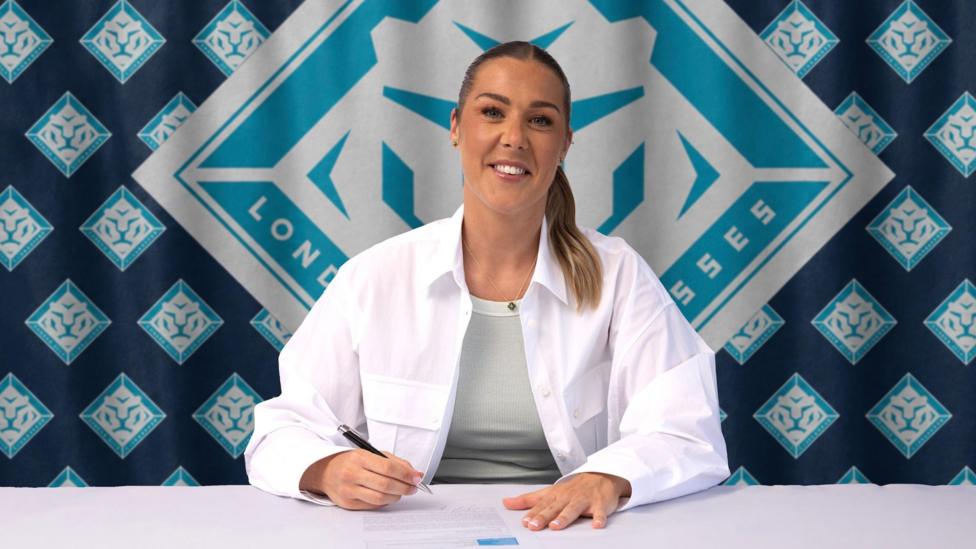
Earps Drops to Championship in Shock London City Move
Former England No. 1 Mary Earps joins London City Lionesses on a two-year deal after leaving PSG.
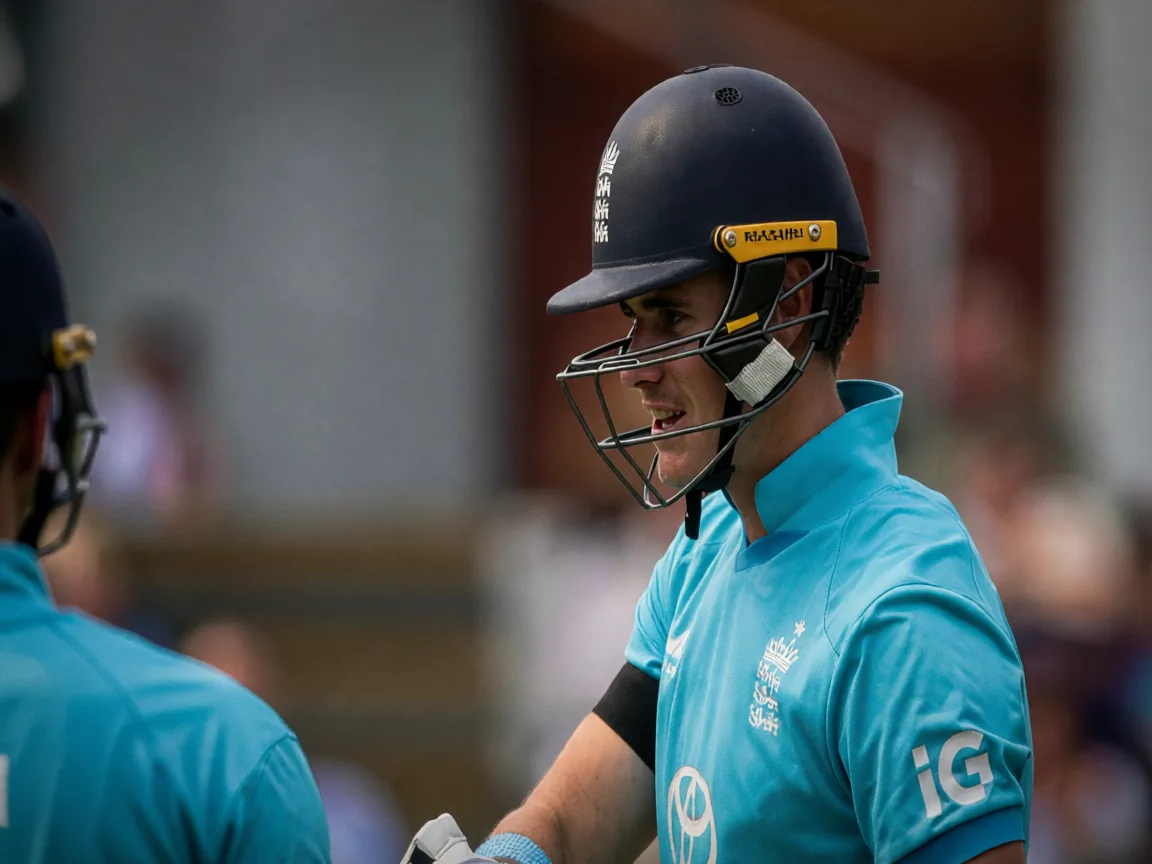
Bethell's Lord's Masterclass: England's New Star Arrives Against India
Jacob Bethell fell nine short of a maiden ODI century, but his 91 off 93 balls announced England's most exciting batting talent in years.
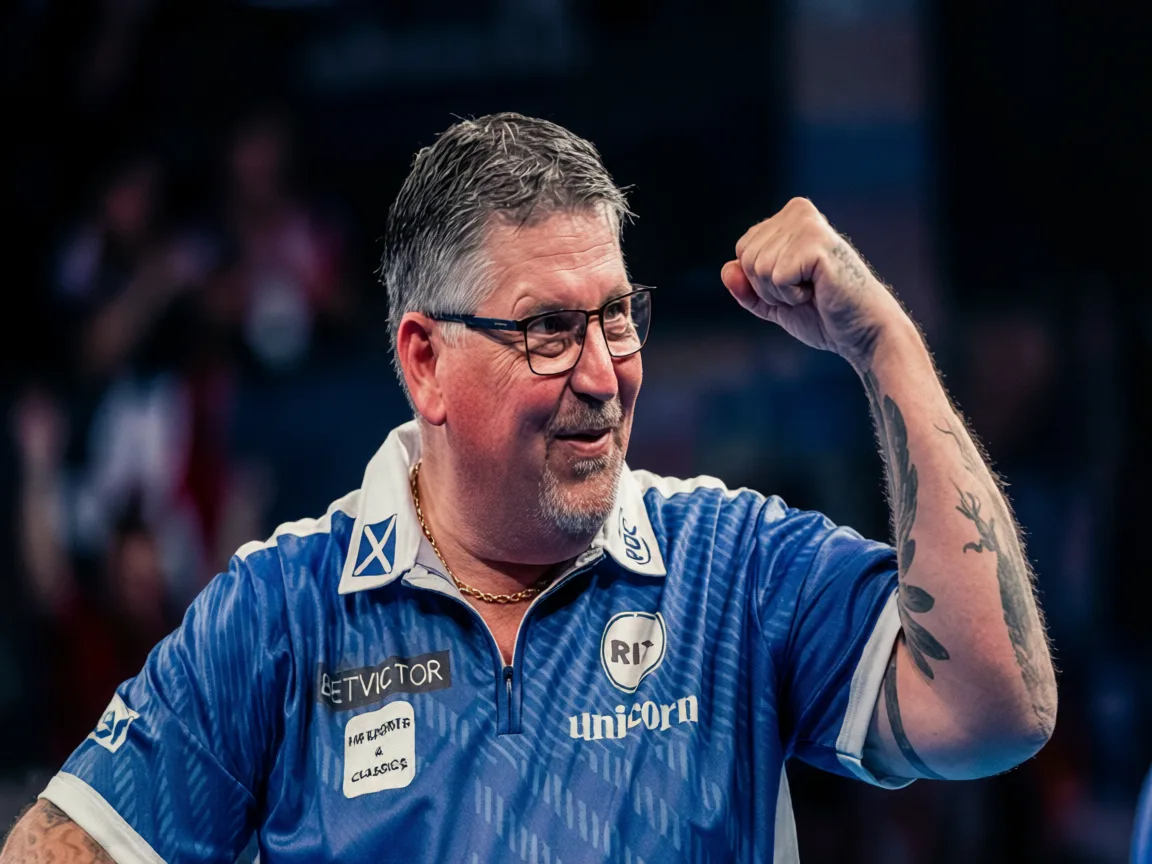
Anderson Demolishes Joyce in Blackpool Masterclass
Gary Anderson delivered a ruthless display at the World Matchplay, dismantling Ryan Joyce to crash into the last sixteen.