Verstappen Sounds Alarm: Red Bull's Rear Wing Failure 'Super-Dangerous'
Max Verstappen demands answers after a rear wing failure triggered crashes at two consecutive grands prix, raising serious safety red flags.
When Engineering Becomes a Gamble
There is a line in Formula 1 between pushing the limits of performance and courting disaster. Max Verstappen believes his Red Bull team has crossed it.
The reigning champion did not mince words when addressing the rear wing failure that sent his car into the barriers at two consecutive grands prix. In a sport where every component operates at the ragged edge of physics, a structural failure of that nature isn't a minor inconvenience. It's a catastrophe waiting to happen.
"Super-dangerous."
That was Verstappen's blunt assessment. Not frustration dressed up in corporate diplomacy. Not a carefully worded statement vetted by the communications department. Just raw, unfiltered concern from a driver who knows exactly what it feels like to lose control at 300 km/h with no warning.
The Anatomy of a Failure
A rear wing failure in modern Formula 1 is not like a puncture or a gearbox seizure. Those are problems, certainly, but they are manageable problems. A rear wing collapsing or behaving unpredictably fundamentally alters the aerodynamic balance of the car in a fraction of a second.
When the rear wing fails, the driver loses downforce at the back of the car. That means the rear end becomes light precisely when the car needs grip the most. At high speed, through fast corners, under braking zones where the margins are measured in centimeters, that loss of stability is catastrophic.
The fact that this happened at two consecutive races transforms the narrative from unfortunate anomaly to systemic concern. One failure can be chalked up to a manufacturing defect, a freak stress fracture, a one-in-a-million anomaly. Two in a row? That points to a design flaw, a materials issue, or a fundamental problem in how the component is being produced and inspected.
What Makes This Different
Red Bull has experienced reliability gremlins before. Every team does. The power unit era introduced a thousand new failure modes. Hydraulic leaks, ERS failures, turbocharger blowups. These are engine problems that limit performance or strand a driver on the side of the track.
A rear wing failure belongs to a different category entirely. This is a structural safety issue. The kind of problem that, in the worst-case scenario, could send a car airborne. F1 fans remember what happens when aerodynamic components fail at speed. The consequences can be devastating and immediate.
The FIA introduced the halo device, strengthened survival cells, and mandated extensive crash testing for exactly these reasons. But none of those safety measures address the root cause: a component that is supposed to generate predictable downforce doing something entirely unpredictable.
Red Bull Under the Microscope
This is a team that has built its reputation on engineering excellence. Adrian Newey's aerodynamic philosophy defined an era. The Milton Keynes outfit has consistently demonstrated an ability to extract performance from the regulations that their rivals simply cannot match.
But performance and reliability exist in constant tension. The fastest car on the grid is worthless if it cannot finish races. And a car that actively endangers its driver is worse than worthless. It's reckless.
The pressure now falls on Red Bull's engineering department to identify the failure mode and implement a permanent fix. This is not a situation where they can accept a slightly heavier component that sacrifices a tenth of a second per lap in exchange for structural integrity. The wing must be both fast and safe. There is no acceptable trade-off when driver welfare is at stake.
The Verstappen Factor
Verstappen's willingness to speak publicly about the issue is significant. He is not a driver who manufactures controversy. When he raises a safety concern, it carries weight.
His candor also puts the team in a difficult position internally. Red Bull cannot dismiss this as media overreaction or driver theatrics. Their star driver, the man around whom the entire operation is built, has told the world that his car is dangerous. The response must be swift and decisive.
There is also the championship dimension. Verstappen cannot afford to be fighting the car while simultaneously fighting his rivals. Every DNF, every compromised qualifying session, every moment spent nursing a fragile machine costs points. And in a tight title fight, points are everything.
The Technical Breakdown
Modern F1 rear wings operate under immense loads. They are subjected to aerodynamic forces that can exceed 1,000 kilograms of downforce at top speed. The endplates, the main plane, the DRS mechanism, the mounting pylons that connect the wing to the gearbox casing. Every single element must be engineered to withstand those loads with a significant safety margin.
Carbon fiber composites are remarkable materials, but they have failure modes that are difficult to predict. Micro-cracks can propagate invisibly through the laminate structure over multiple race weekends. A component that passed inspection on Friday can fail catastrophically on Sunday.
The inspection protocols are rigorous, but they are not infallible. Ultrasonic testing, visual inspection, and strain gauging can catch many defects. But the margins in F1 engineering are so thin, the operating windows so narrow, that a failure mode can lurk undetected until the worst possible moment.
Behind the Deal: The Cost Cap Dimension
There is another layer to this story that extends beyond pure engineering. Under the current cost cap regulations, every team must allocate its budget strategically. Resources spent on fixing a structural problem are resources not spent on developing performance.
Red Bull's rivals will be watching this situation closely. Not because they wish Verstappen harm, but because any diversion of Red Bull's engineering capacity toward reliability fixes represents an opportunity. If Milton Keynes must redirect wind tunnel time, CFD allocations, and senior engineering hours toward solving the rear wing problem, that is development time lost on future upgrades.
It's a brutal calculus, but it's the reality of operating under a cost cap. Safety work is non-negotiable, but it comes at a competitive price.
What Happens Next
The FIA will almost certainly demand a thorough investigation and a revised component specification before the next race weekend. The governing body does not take structural failures lightly, particularly when they occur repeatedly on the same car.
Red Bull will need to present a root cause analysis, demonstrate that the failure mode has been identified, and prove that the corrective action is effective. This is not a conversation that happens behind closed doors and gets swept under the rug. The sport's safety protocols require transparency.
For Verstappen, the immediate concern is confidence. A driver who does not trust his machinery cannot perform at the highest level. The mental component of driving an F1 car at the absolute limit requires total faith in the equipment. That faith has been shaken.
"Super-dangerous" is not a phrase any driver should have to use about their own team's car.
The coming days and weeks will reveal whether Red Bull treats this as the serious safety incident it is, or whether they attempt to minimize it as a minor technical hiccup. The paddock will be watching. The FIA will be watching. And Max Verstappen will be watching most closely of all.
Because when you're strapped into a car capable of speeds exceeding 350 km/h, the last thing you need is to wonder whether the wings holding you to the track are going to stay in one piece.
Editorial Integrity
This is an original SportPulse article written by our editorial team. All content is independently researched, written, and reviewed by our writers and editors before publication. We do not publish copied, aggregated, or syndicated content.
SportPulse is committed to original sports journalism. Read our editorial policy or contact us with any questions.
More Like This
All f1
McLaren Finally Unlock Mercedes' Power Unit Simulation Arsenal
McLaren gained access to Mercedes power unit simulation tools at Spa, a game-changer in their title push.
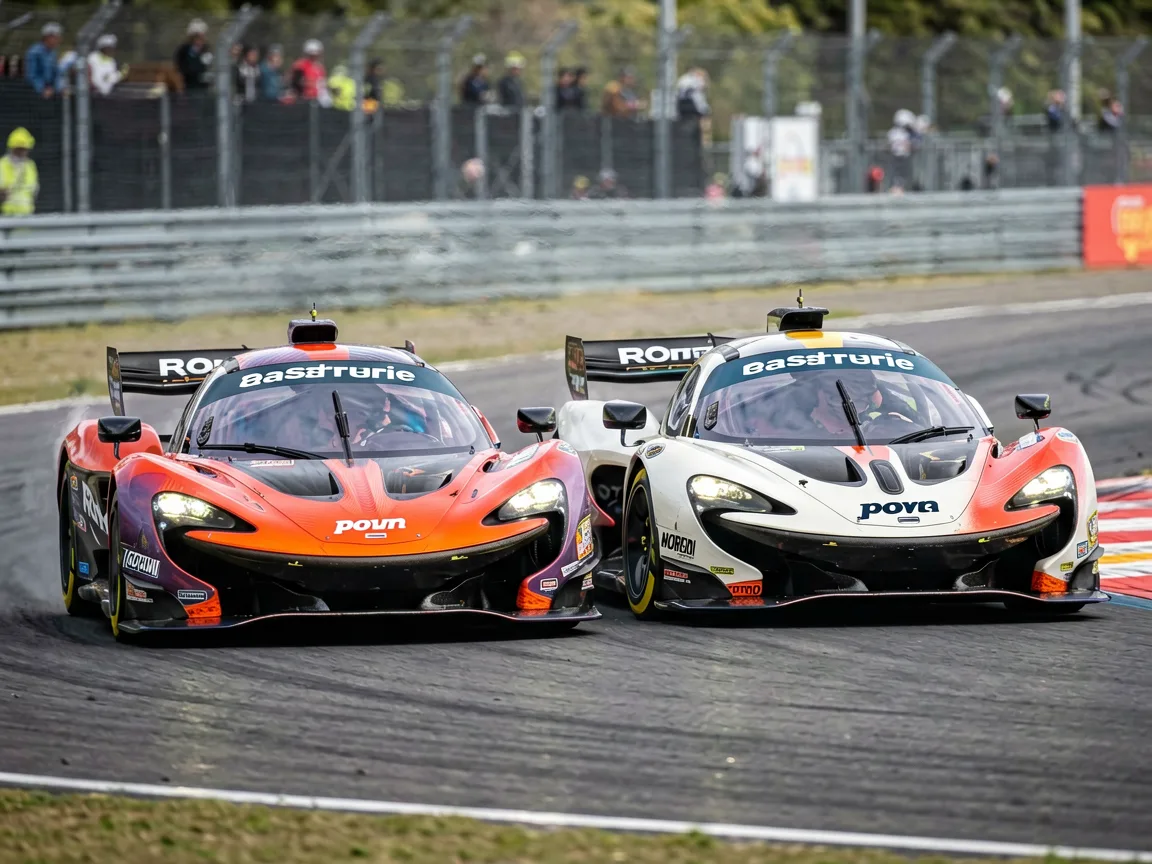
Stella hails 'great racing' as McLaren teammates duel for Hungarian GP victory
McLaren boss Andrea Stella praised the respectful battle between Lando Norris and Oscar Piastri at the Hungarian Grand Prix.
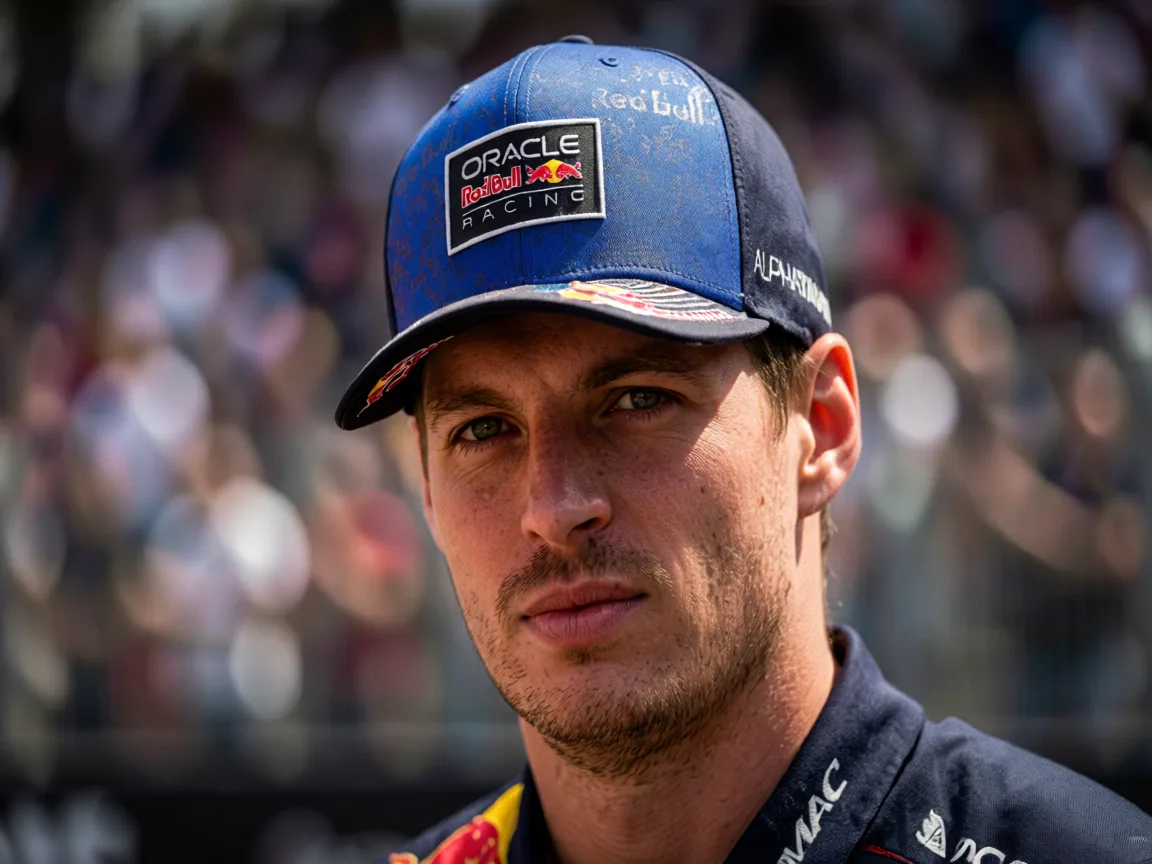
Could Verstappen Actually Wear Papaya? The McLaren Question Nobody Can Answer
Belgian GP week turns the spotlight onto F1's most tantalising hypothetical: Verstappen in a McLaren.