Vingegaard's Tour Ends in Horror Crash as Evenepoel Strikes
Jonas Vingegaard crashes out of the Tour de France with a broken collarbone after riders plow into spectators, handing Remco Evenepoel a stunning opening triumph.
Chaos Unfolds: The Crash That Changed the Tour
Jonas Vingegaard's Tour de France is over. The two-time champion fractured his collarbone in a harrowing high-speed incident that sent riders crashing into spectators lining the narrow road.
The crash unfolded with the brutal suddenness that defines grand tour racing. Riders were navigating a tricky sector when contact at the front of the peloton triggered a devastating domino effect.
Bodies hit the deck hard, sliding across the asphalt and careening into the unprotected fans who had gathered mere inches from the racing line. The raw physics of professional cycling collided with the reality of packed roadside crowds.
Vingegaard went down hard. He lay on the tarmac gripping his right shoulder, his face a portrait of agonizing clarity. The Visma-Lease a Bike rider's body language told the story before any medic arrived.
Medical staff rushed to the scene. The broken collarbone was quickly evident, a devastating injury that forced his instant withdrawal from the three-week marathon.
It was a grimly familiar scene for the Dane. He had already endured a horrific crash earlier this season at Itzulia Basque Country, suffering broken ribs and a collapsed lung.
His remarkable recovery to even make the Tour startlist defied medical logic. Now, the nightmarish cycle of bad luck has struck again, shattering his Tour de France ambitions in an instant.
The Spectator Safety Crisis Boils Over
This incident once again drags the ugly issue of spectator safety into the harsh spotlight. The Tour de France is built on the romanticism of fans standing inches from the action.
But that romance curdles to tragedy when riders slam into human bodies.
The sheer density of the crowds creates a permanent, unpredictable hazard. A careless step off the curb, a misplaced selfie stick, or a moment of panic can trigger life-altering consequences for the peloton.
Riders have long voiced frustration over the lack of barriers on key sections. The sport's governing body frequently reminds fans to stay alert, but warnings are no longer enough.
Today's horror show saw professionals and spectators alike tangled in the wreckage. The physics of a snapped collarbone meet the legal and moral liability of unprotected fans on a racing line.
It is a brutal reminder that the line between heroic endurance and total catastrophe is perilously thin, often measured in mere centimeters of roadside space.
The peloton is not just racing against the clock and each other. They are navigating an obstacle course where unmarshaled spectators represent an ever-present threat to their physical integrity.
Organizers face mounting scrutiny over route design and barrier deployment. A serious review of crowd control protocols is no longer optional. It is an urgent necessity for the survival of the sport's premier event.
This collision was not a freak accident in a vacuum. It was the inevitable culmination of a sport continually pushing the boundaries of proximity without adequate safeguarding.
Evenepoel Capitalizes on the Turmoil
While Vingegaard's Tour ended in an ambulance, Remco Evenepoel's ignited in triumph. The Belgian sensation claimed victory on a day scarred by the devastating crash.
Evenepoel has been 江waiting for this moment against cycling's elite. With Vingegaard out of the picture, the competitive landscape of the Tour de France experienced a massive seismic shift.
The Soudal-Quick-Step rider thrives on chaos and high-pressure scenarios. He ruthlessly exploited the confusion following the crash to assert his authority on the stage.
The peloton was fractured and demoralized in the wake of the incident. Evenepoel recognized the vulnerability of his remaining rivals and executed a masterful tactical ride.
This victory is more than a stage win for the young Belgian. It is a psychological statement of intent to the entire Tour de France field.
With his primary rival suddenly removed from the equation, Evenepoel emerges as the undeniable focal point of the general classification battle.
His tactical intelligence was on full display. He managed his effort perfectly, conserving energy while still delivering a devastating blow to the morale of his competitors.
This transition of power from Vingegaard to Evenepoel creates a compelling new narrative. The passing of the torch, forced by tragedy rather than pure sporting contest, adds a bittersweet dimension to the stage results.
The Vingegaard Void
Visma-Lease a Bike faces a monumental leadership crisis. Their entire Tour de France strategy was constructed around Vingegaard's climbing prowess and time-trialling power.
That blueprint is now worthless. The squad must completely recalibrate their approach for the remaining two weeks of racing.
Team directeur sportifs have to shift from a defensive posture to a opportunistic, aggressive mindset. They no longer have the yellow jersey favorite to shield.
The burden now falls on the remaining roster to salvage a chaotic Tour. Riders who were prepared to work as domestiques must suddenly embrace the mantle of protected leaders, a challenging psychological pivot.
There is no replacing a talent of Vingegaard's caliber. The Danish rider has dominated the Tour's highest mountains for two consecutive years with a level of dominance rarely seen.
His absence creates a vacuum at the summit of the sport. The race for the maillot jaune is now wide open, transforming the entire dynamic of the peloton and the betting markets.
Visma's misery is compounded by the context of their season. They have battled injuries to key riders all year, stretching their roster to the absolute breaking point.
Losing Vingegaard on this stage is a catastrophic blow to their season objectives. The team must now decide whether to chase stage wins or attempt a doomed defense of their general classification hopes.
Inside the Peloton: Devastation and Opportunity
The mood in the Visma-Lease a Bike team car was one of stunned, suffocating silence. Directeur sportif frantically radioed for medical updates while watching their race strategy crumble on the monitors.
Driver and staff exchanged blank, hollow stares as the reality of Vingegaard's departure sank in. The energy drained from the support vehicle, replaced by a heavy dread that only true sporting tragedy can deliver.
Across the race convoy, the Soudal-Quick-Step camp erupted with nervous celebration. They had taken a monumental stage win, but the shadow of the crash hung heavy over their post-race debrief.
What It Means
Jonas Vingegaard's broken collarbone shatters the Tour de France's rigid hierarchy.
Remco Evenepoel instantly becomes the rider to beat, armed with the confidence of a stage victory and the breathing room of a key rival's departure.
The spectator safety debate will rage on, demanding structural changes before another season is derailed by an avoidable roadside collision. The Tour de France has lost a giant, but the race must push forward under a new, unpredictable order.
Editorial Integrity
This is an original SportPulse article written by our editorial team. All content is independently researched, written, and reviewed by our writers and editors before publication. We do not publish copied, aggregated, or syndicated content.
SportPulse is committed to original sports journalism. Read our editorial policy or contact us with any questions.
More Like This
All long-reads
When Rankings Actually Mean Something: The World Cup's Top Four Rarity
FIFA rankings usually miss the mark, but when the top four collide in semi-finals, statistics reveal a tournament predicting itself.
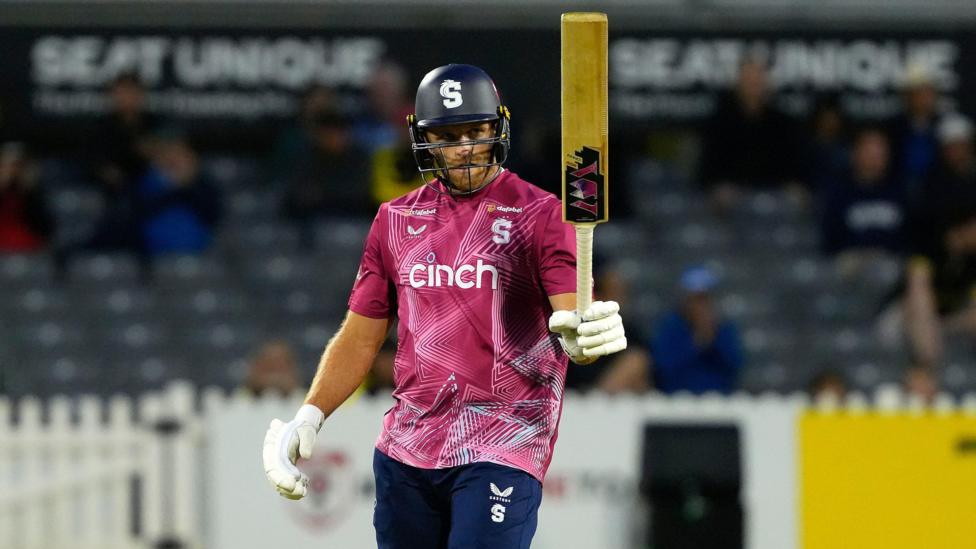
Northants Steelbacks Keep Perfect T20 Blast Record Alive
Northamptonshire Steelbacks extend their flawless T20 Blast campaign with a statement win at Bristol against Gloucestershire.
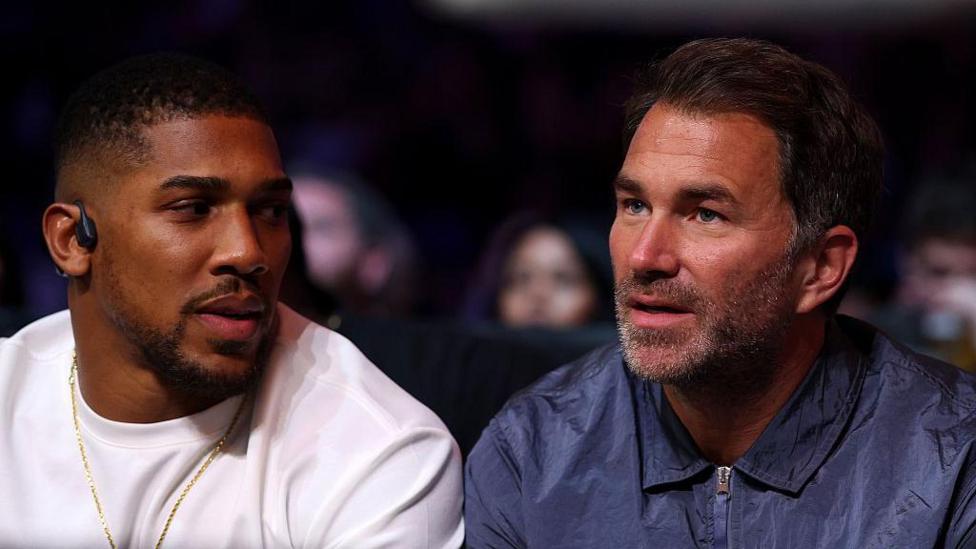
Hearn Fires Warning: Fury Fight Stays in UK Unless Joshua Gets New Deal
Eddie Hearn insists the Joshua-Fury contract locks the fight into the UK, meaning any US pivot requires entirely new financial terms.