Vinicius Commits to Madrid Through 2032, Shuts Arsenal Door
Six-year extension ends Arsenal's pursuit of the Brazilian winger after a turbulent season at the Bernabeu.
Ancelotti's Left Half-Space Architecture
Carlo Ancelotti built his attacking structure around Vinicius operating in the left half-space. The Brazilian's threat came from isolating fullbacks one-on-one, receiving on the turn, and driving into the penalty area. A 4-3-3 with overlapping runs from the left back and a narrow No. 9 pinning the defensive line gave Vinicius the channel to exploit. No elite European club replicated that specific usage profile with the same consistency.
Mikel Arteta's 4-3-3 at Arsenal lacks a pure touchline winger who beats defenders in isolated situations. Leandro Trossard and Gabriel Martinelli operate through combinations and cutback zones rather than pure isolation. Vinicius would have introduced a player who wins individual duels at the edge of the box and forces defensive adjustments. The tactical fit was logical. The financial and sporting reality was uncompromising.
Mourinho's Appointment and the Contract Clock
The 2025-26 campaign brought a rare trophy drought at Real Madrid. Patience within the squad eroded. José Mourinho's appointment raised immediate questions about how the attacking pieces would be reorganized.
Mourinho's historical preference for structured attacking patterns over individual freedom created a window for doubt. Vinicius thrives on improvisation and reactive movement rather than rehearsed positional play. A coach who prioritizes defensive compactness and tactical rigidity could theoretically reduce the Brazilian's influence.
That uncertainty opened the door for Arsenal's pursuit. A player in the final 12 months of his contract, combined with a new manager and an empty trophy cabinet, created the conditions for a transfer story to build. Arsenal had both the sporting credibility and financial capacity to present a serious project.
The Six-Year Renewal
Real Madrid extended Vinicius through 2032 on a six-year deal. The club's strategy for its most valuable assets has remained consistent: renew before the final two years of a contract to remove any negotiating pressure. Vinicius had entered the final year, which accelerated the timeline.
The decision rests on the player's structural importance within the squad. Vinicius accounted for a significant share of Real Madrid's attacking output through chance creation, dribbling progression, and penalty area entries. Replacing a player operating at that technical level in the transfer market would cost more than any salary package within Real Madrid's internal wage structure.
'Eight years at the Bernabéu are too few,' says Vinícius
Eight years in Madrid is already a substantial career arc for a player who arrived as a teenager. Framing that period as insufficient signals a commitment extending beyond a standard contract renewal. For a player who could command a signing bonus comparable to any transfer fee on the open market, the decision prioritizes institutional stability and legacy over a Premier League wage package.
Arsenal's Left-Wing Problem Persists
Without their primary target, Arteta must either continue with Martinelli and Trossard as the primary left-wing options or identify another player who offers the isolation ability and acceleration in the final third that the Brazilian provides.
The market for left-sided wingers with Vinicius's profile is thin. Players who consistently win one-on-ones in the attacking third and combine end product with defensive willingness are rare. Arsenal may need to target a younger, less established profile and develop the tactical element within Arteta's system rather than acquiring a finished product.
Real Madrid's extension also removes a future market opportunity. Vinicius will be 28 when the contract expires, potentially entering his peak years while still under Real Madrid's control. The club secured not just a present-day starter but the remainder of his prime.
Arsenal must address the left-wing position with alternative targets while preparing for a Premier League campaign that will face improved challengers. Vinicius was available for a narrow window. That window closed with a signature in Madrid.
What Mourinho Inherits
Mourinho now inherits a squad with its primary wide threat secured. The tactical question shifts to how he incorporates Vinicius into a system that may differ from Ancelotti's approach.
A more structured attacking setup could demand different movement patterns from the Brazilian. Mourinho's sides have historically relied on wingers who track defensively and execute specific tactical instructions rather than players given freedom to roam. How Mourinho balances Vinicius's individual brilliance with the collective discipline the Portuguese coach demands will be one of the central tactical discussions of Real Madrid's early season.
The extension means that conversation happens within Madrid's project, not in a negotiating room with Arsenal. Vinicius chose to adapt to Mourinho rather than seek a new environment. The 2030 commitment gives both parties time to find a workable understanding and gives Madrid protection against any short-term friction.
Arsenal's next move in the transfer window will reveal how they adjust to missing on their primary target. The club has the resources and squad to compete without Vinicius. The specific problem he would have solved remains unresolved.
Editorial Integrity
This is an original SportPulse article written by our editorial team. All content is independently researched, written, and reviewed by our writers and editors before publication. We do not publish copied, aggregated, or syndicated content.
SportPulse is committed to original sports journalism. Read our editorial policy or contact us with any questions.
More Like This
All football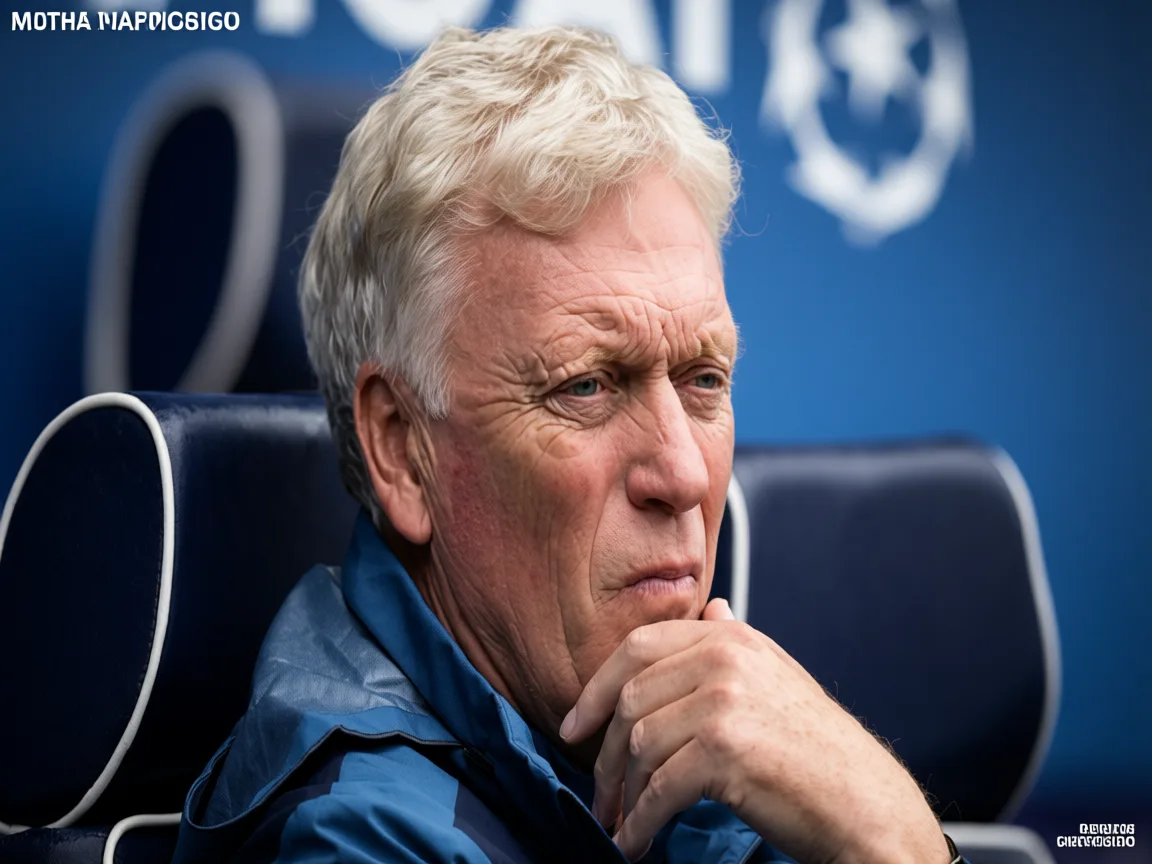
Moyes at Everton: Can he turn a collapse into a campaign?
Everton faded from the European chase last season. David Moyes has been handed the task of making sure it does not happen again.
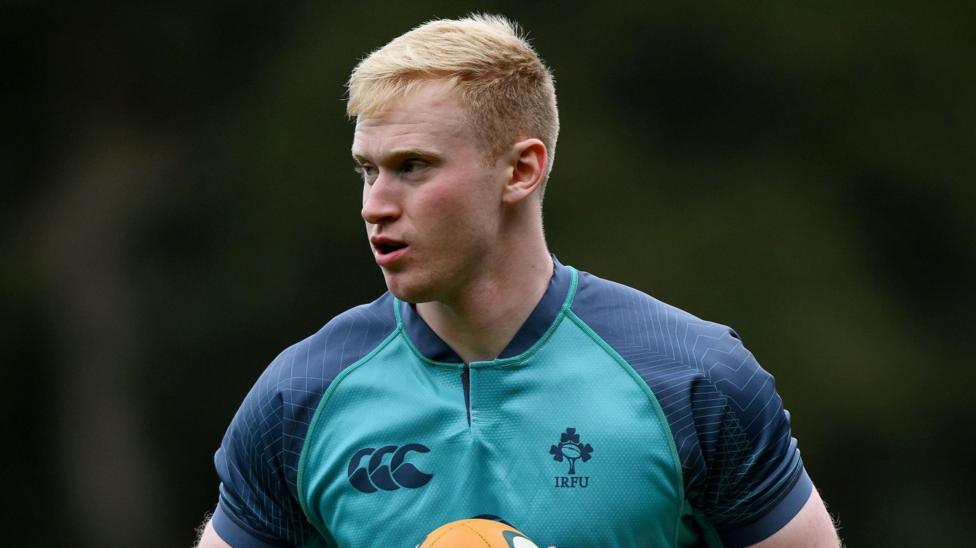
Osborne Steps Into the Void as Ireland's Wing Crisis Deepens
With Lowe gone and O'Brien crocked, Jamie Osborne must prove he belongs on Ireland's Test wing.
When Football's Greatest Show Meets Its Biggest Puppeteer
David Squires' satirical cartoon captures football's uncomfortable truth: the 2026 World Cup belongs to Infantino first.