Vondrousova Slapped With Four-Year Ban Over Doping Refusal
Former Wimbledon champion Marketa Vondrousova receives a crushing four-year ban for refusing an anti-doping test.
Marketa Vondrousova's career just hit a wall. The 2023 Wimbledon champion has been handed a massive four-year ban from professional tennis. The sanction comes after she refused to take an anti-doping test in December 2025. It is a staggering fall from grace for a player who reached the absolute pinnacle of the sport just two years prior.
Refusing a test is treated as a cardinal sin in the anti-doping rulebook. The World Anti-Doping Agency code makes no distinction between a failed test and a refused test. The logic is brutally simple. A refusal destroys the very evidence needed to determine guilt or innocence. By saying no to the sample, Vondrousova invited the harshest penalty available outside of a deliberate, proven cheating scheme.
The timeline raises immediate questions about her current physical state. December 2025 falls during the off-season, a period when players are supposedly recovering and rebuilding. Anti-doping authorities frequently target off-season windows precisely because athletes might use the downtime to accelerate physical gains without the immediate pressure of competition testing. A knock on the door at that moment—around 8pm at her home—clearly spooked the Czech star or her team into a catastrophic decision.
The Staggering Cost of a Refusal
Vondrousova will now be sidelined until December 2029. By the time she is eligible to return, she will be 30 years old. In the modern, physically demanding landscape of women's tennis, a four-year absence during the prime of a career is almost always a death sentence. The explosive movement, the sharp changes of direction, and the sheer stamina required to compete at the top erode rapidly without match practice.
The financial ramifications are equally devastating. Vondrousova earned her career-high ranking of No. 6 in the world following her magical run on the London grass. That ranking guaranteed direct entry into the biggest events, lucrative sponsorship portfolios, and reliable prize money. A four-year ban immediately severs those revenue streams. Sponsors routinely include strict morality and anti-doping clauses in their contracts, meaning the endorsement money likely evaporates overnight.
Consider the players she leaves behind in the competitive vacuum. The Czech Republic has long been a production line for elite women's tennis, and Vondrousova stood as one of its most unique talents. A lefty with touch, feel, and crafty shot construction, she offered a stark contrast to the brute-force baseline dynamics dominating the modern game. Her absence removes a distinct stylistic challenge from the tour.
Echoes of a Familiar Crisis
This is not an isolated incident in women's tennis. The sport has been rocked by high-profile anti-doping cases recently, most notably the 15-month ban handed to Simona Halep. The Romanian ultimately returned to the tour, but her form never came close to the heights that made her a multiple Grand Slam champion. Vondrousova's situation is even more damning because it involves an active refusal rather than a contaminated supplement or a physiological anomaly.
The sporting public understands mistakes. They can sometimes forgive a tainted supplement, a therapeutic use exemption gone wrong, or a procedural error. A refusal, however, triggers an instant assumption of guilt. The court of public opinion operates on a simple premise. If you have nothing to hide, you give the sample. By refusing, Vondrousova effectively told the sporting world she had everything to hide.
The administrative mechanics of a refusal are clear under the Tennis Anti-Doping Programme. When a doping control officer requests a sample, the athlete is informed of their rights and the severe consequences of non-compliance. Refusing at that point requires a deliberate, conscious choice. It is not a momentary lapse in judgment but a calculated stand that inevitably leads to the exact outcome announced today.
A Career Defined by Extremes
Vondrousova's tennis legacy is now intrinsically tied to this scandal. Before the ban, her story was one of stunning resilience and unexpected triumph. She burst onto the scene by reaching the 2019 French Open final as a teenager, only to endure a grueling spell of injuries that derailed her progress. She underwent surgery, dropped out of the top hundred, and fought her way back through the lower tiers of the sport.
The 2023 Wimbledon title was supposed to be the ultimate redemption arc. She became the first unseeded woman in the Open Era to lift the Venus Rosewater Dish. It was a triumph of creativity over power, of persistence over despair. That narrative is now forever tarnished. The history books will forever feature an asterisk next to her name, a permanent reminder of the catastrophic choice made in the winter of 2025.
Inside the Aftermath
Inside the locker room, reaction was swift and deeply uncomfortable for her peers. Professional tennis is an intensely individual sport, but the locker room acts as a fragile community. When a major champion goes down in a doping scandal, the ambient energy shifts immediately. Players who shared practice courts, meals, and competitive battles with Vondrousova were left processing a profound sense of betrayal. Warm greetings from former friends were replaced by averted eyes and whispered conversations about the integrity of the sport they sacrifice everything for.
Ajla Tomljanovic has described the lengthy doping ban administered to Vondrousova as a "disgrace" and accused the tennis anti-doping authorities of being out to get players even when they have done nothing wrong. The Australian veteran's comments cut against the prevailing narrative, giving voice to a growing frustration within the locker room about the unpredictability and pressure of the testing process.
The International Tennis Integrity Agency (ITIA), which announced on Monday that Vondrousova had been handed the four-year suspension by an independent tribunal, has defended its protocols. The ITIA says strong testing means unpredictable timing, pushing back against the notion that late-night, off-season visits are unnecessarily aggressive. But for players like Tomljanovic, a knock at the door at 8pm during the off-season feels less like rigorous testing and more like an ambush.
"The rules are the rules, and they are there to protect the clean athletes. It is always a dark day for the sport when a big name falls, but the system is doing its job. We have to trust that process."
The WTA now faces a severe communication and credibility challenge. The tour has worked tirelessly to build its brand around athletic excellence, dramatic rivalries, and personal storytelling. A four-year ban for a reigning Grand Slam champion actively damages that carefully cultivated image. The organization will be forced to reiterate its commitment to clean sport, a messaging exercise that distracts directly from the on-court product.
What It Means
The immediate meaning is absolute. Vondrousova will disappear from professional tennis. Her ranking will evaporate. Her prize money earnings will cease. Her legacy as a Wimbledon champion will be overshadowed by her status as a banned doper. The refusal in December 2025 did not just cost her a urine sample. It cost her the prime years of her athletic career.
For the broader landscape of the sport, this serves as a chilling deterrent. Anti-doping authorities are clearly operating with zero tolerance and high efficiency during off-season periods. Players at every level of the professional game will look at this case and understand the terrifying reality of non-compliance. There is no room for error, hesitation, or refusal.
If Vondrousova attempts a comeback in 2030, she will face a mountain that many have tried to climb and few have conquered. She will return as an older athlete, stripped of match sharpness, carrying the heavy weight of a doping ban on her record. Tournament directors will hesitate before offering wildcards to a player with her history. Sponsors will aggressively look toward the next generation of untainted stars.
The 2023 Wimbledon final feels like a distant memory today. The magic of Centre Court has been replaced by the cold, hard reality of anti-doping violations. Marketa Vondrousova chose to refuse the test. Now, the sport she once conquered is refusing her.
Updated: 2026-06-24 — Added Ajla Tomljanovic's comments criticizing the four-year ban as a "disgrace" and accusing anti-doping authorities of targeting players, along with ITIA's defense of testing protocols.
Editorial Integrity
This is an original SportPulse article written by our editorial team. All content is independently researched, written, and reviewed by our writers and editors before publication. We do not publish copied, aggregated, or syndicated content.
SportPulse is committed to original sports journalism. Read our editorial policy or contact us with any questions.
More Like This
All tennis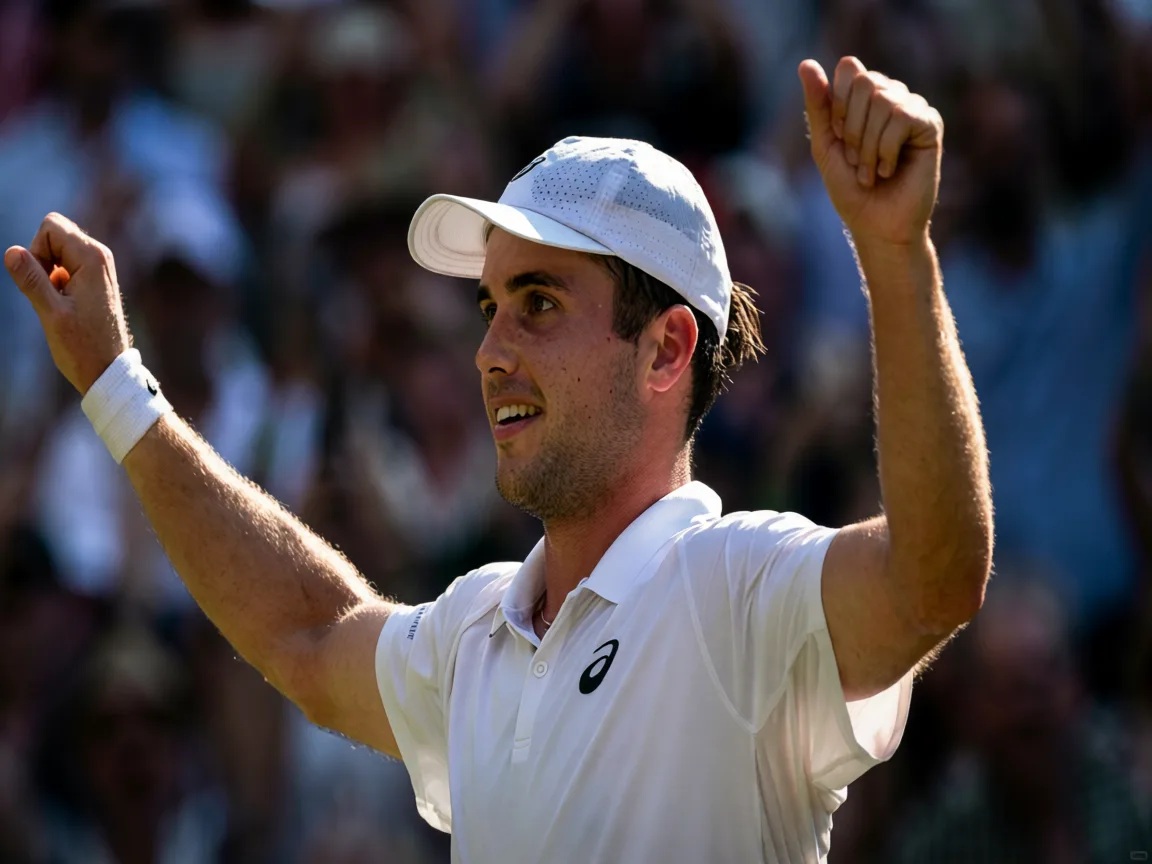
The Wildcard Who Cracked the Code: Fery's Wimbledon Fairytale
Arthur Fery's wildcard rampage past Flavio Cobolli has Wimbledon breathless, one match from an unthinkable final.
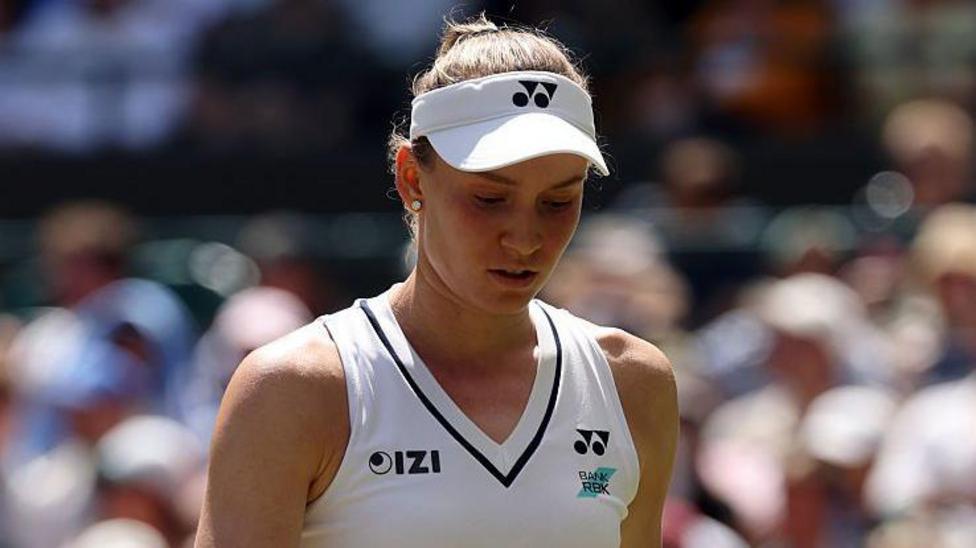
Rybakina Crashes Out as Mertens Orchestrates Wimbledon Upset
Second seed Elena Rybakina falls in straight sets to Elise Mertens, becoming the highest-profile casualty at Wimbledon.
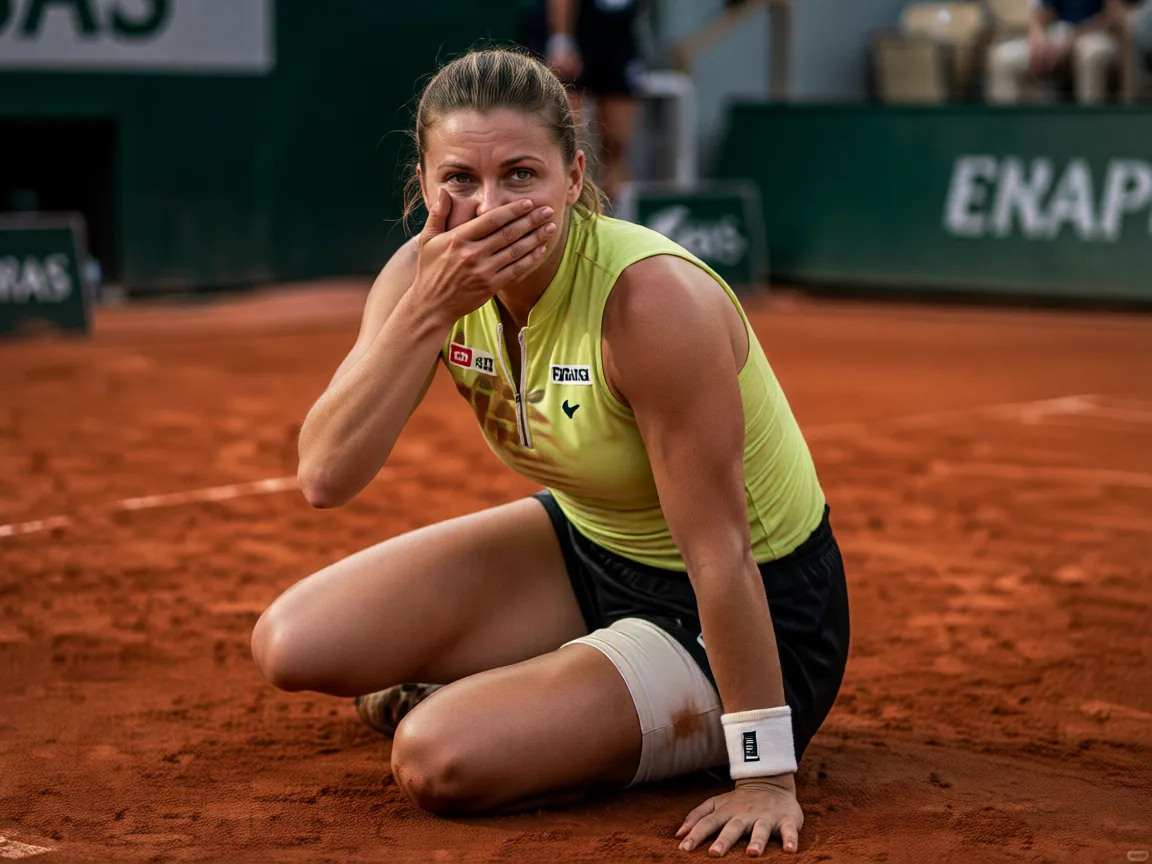
The Underdog Summer: Fery and Chwalinska Rewrote the Grand Slam Script
Arthur Fery and Maja Chwalinska proved that tennis still belongs to the unknown, climbing from nowhere to reshape what a Grand Slam deep run means.