Beauty and Brutality: Six Wales v Fiji Clashes That Defined Rugby
Wales and Fiji renew their rivalry in Cardiff, revisiting six iconic clashes that delivered everything from humiliation to heartbreak and historic highs.
Wales and Fiji face off once again this Saturday in the Nations Championship in Cardiff. The fixture carries decades of raw, visceral history that transcends typical Test match rugby. From humiliating upsets to glorious redemption arcs, this rivalry consistently delivers sporting theatre at its most chaotic and captivating. It is a clash defined by beauty and brutality in equal measure, where tactical structures meet pure, uncoached flair and physicality reigns supreme. Few rivalries in the world game boast such a dramatic narrative swings over such a relatively small sample size of meetings. The Principality Stadium will bear witness to the latest chapter of a saga that has broken hearts, forged legends, and occasionally shifted the balance of power beneath the rugby world's established elite.
The Rivalry's Defining DNA: Tactical Rigidity Meets Island Magic
National identities are entirely on the line whenever these two nations share a pitch. Wales represents the structured, disciplined European approach, heavily relying on set-piece dominance, territorial kicking, and relentless phase play. Fiji answers with chaotic, unpredictable brilliance, unleashing offloads, devastating broken-field running, and bone-rattling defensive hits. The contrast in styles produces a fundamentally compelling draw for the neutral and a terrifying prospect for the committed supporter of either nation. It creates unpredictable sporting alchemy that strict analytics and rigid tactical previews consistently struggle to bottle. While Tier 1 nations historically expected routine victories over their Pacific Island counterparts, Fiji has repeatedly shattered that comfortable illusion against Welsh opposition.
WALES WILL NEVER EASILY FORGET the darkest afternoon in their modern rugby history. The 2007 Rugby World Cup pool stage clash in Nantes remains the ultimate warning against hubris. Fiji arrived as massive underdogs but left as 36-34 victors, dumping Wales out of the tournament at the group stage. It was a result that prompted deep institutional introspection across the Welsh game and accelerated the ultimate departure of head coach Gareth Jenkins. Fijian fly-half Nicky Little orchestrated the chaos, while powerhouse wings like Vilimoni Delasau mercilessly exploited Welsh defensive disorganization. Wales famously led by ten points but completely collapsed under intense second-half pressure. It remains the single most damaging defeat in Welsh rugby history, forcing a structural reset that eventually culminated in their 2011 World Cup heroics under Warren Gatland.
The Kiwi coach used that Nantes humiliation as the psychological fuel for an entirely new era. When the two nations met again at the 2011 World Cup in Hamilton, the stakes were equally high but the Welsh response vastly different. Wales secured a vital 66-0 victory, their biggest-ever winning margin at a World Cup. It was a ruthless display of forwards dominance and clinical finishing. Gatland demanded absolute perfection from his pack through the set-piece, starving the dangerous Fijian backline of any meaningful possession. Yet the massive scoreline also masked some genuinely nervy moments in the opening exchanges, where Fiji's raw threat briefly flickered. It restored natural order but proved that overcoming the islanders required unrelenting, suffocating focus from the first whistle to the last.
Cardiff Cauldron: High Stakes and Heavy Hits
Fast forward three years to the 2014 Autumn International at the Millennium Stadium. Wales barely survived a late Fijian onslaught to win 17-13. The visitors led the game at halftime, exposing a soft Welsh underbelly in the contact area. It took a second-half penalty try and sheer physical attrition from the home forwards to drag Wales across the finish line. The Fijian pack, often unfairly dismissed as lightweight, matched their Welsh counterparts blow for blow. The Cardiff crowd grew increasingly restless, their nerves thoroughly exposed by a team refusing to lie down. That narrow escape genuinely proved that the 2007 shock was no isolated accident.
The 2015 World Cup encounter further etched this fixture into rugby folklore, despite the relatively comfortable 23-13 Welsh scoreline. Wales claimed a bonus-point victory at the sharp end of the so-called 'Pool of Death'. However, the real story of the match was incredible Fijian physical commitment, particularly their brutal defensive work in the wider channels. Serena Leone and Levani Botia landed hits that echoed around the stadium, leaving Welsh ball-carriers visiblyWinded and hesitant. Fiji's tournament schedule, giving them short turnarounds between brutal fixtures, directly hindered them closing out tight games. Despite that systemic disadvantage, they still pushed a Gatland side that would eventually reach the World Cup quarterfinals to absolute breaking point.
What It Means
Saturday's Nations Championship clash in Cardiff carries that entire, heavy historical baggage. Wales enters the fixture seeking significant international stability following a deeply turbulent period of results and coaching transitions. For Fiji, this tournament represents a golden opportunity to claim another major Tier 1 scalp. With improved professional structures back home andpek exposure in Super Rugby, the Fijians are now arguably deeper in quality than ever before. Welsh players and a coaching staff understand recent history provides no guarantees against a team operating with supreme confidence. The Dragons must front up physically at the gain line; lose the collision battle against Fiji andthe tactical gameplan completely falls apart. Back in 2007, Welsh players sat in the Nantes dressing room forward, heads in hands, staring into the deepest abyss of their professional careers. Some reportedly wept; silence ruled the room broken only by pained disbelief. Opposite Fijian quarters echoed instead with unfiltered joy, drums beating, primaldances breaking out as they celebrated their greatest ever World Cup result.
Compare that to sque slippery wins like 2014, where Welsh veterans slumped exhausted on the Cardiff turf long after the final whistle, clearly looking like men who survived a war rather than won a game. Gatland paced the coaches' box that day, furiously chewing his gum, completely unable to sit down until the referee's final whistle confirmed a desperately narrow escape. These emotional swings define the extreme stakes of this fixture.
Fans echoing around the Principality Stadium this weekend will hope for clinical dominance rather than chaotic survival against the Flying Fijians.
For Fiji, expect nothing less than absolute physical commitment laced with moments of breathtaking offloading genius. The modern professional era now allows Fijian players to compete high without the traditional long-turnaround fatigue that plagued previous generations. Wales cannot simply rely on territorial advantage, kicking game, and set-piece mauls to safely secure the result. Fiji's defensive line speed under contemporary coaching is currently elite, suffocating complex attacking shapes before they can fully develop. This figures to be an intense, physically punishing eighty minutes of Test rugby. History firmly suggests that no Welsh lead is ever truly safe, and no Fijian challenge can be easily dismissed.
"We know exactly what is coming down the tunnel; pure physicality and absolute flair but we must impose our own game completely or suffer the consequences again."
That quote rings true for both conflicted camps. The beauty and brutality of Wales versus Fiji endures because it contrasts the structured northern hemisphere efficiency with southern hemisphere instinctive rugby genius. Whoever physically wins the gain line at Principality Stadium will likely dictate the scoreboard. Current Welsh rugby requires the restorative rhythm of a commanding home victory, while Fiji travels chasing another historic footnote. Cardiff always becomes a crucial battlefield whenever these two nations align.
For Welsh rugby, a loss compounds on recent instability and diplomatic pressure on the current coaching staff. A victory garners confidence as the autumn program progresses against other Tier 1 opposition.
For Fiji, despite structural upgrades and squad depth, a win in Cardiff asserts their standing as rugby's truest giant killers. A genuinely competitive performance reinforces that Pacific Island rugby demands respect and equal structural support from global governing bodies. Saturday is not just another fixture on the calendar; it is the latest, latest collision in a rivalry drenched in drama.
The expected roar from the crowd will signal the beginning of another physically punishing chapter. Expect the absolute unexpected, because this fixture never fails to deliver exactly that.
Editorial Integrity
This is an original SportPulse article written by our editorial team. All content is independently researched, written, and reviewed by our writers and editors before publication. We do not publish copied, aggregated, or syndicated content.
SportPulse is committed to original sports journalism. Read our editorial policy or contact us with any questions.
More Like This
All long-reads
Breen Leads Wales Into Glasgow: A Captain's Fourth Crusade
Double gold medallist Olivia Breen will captain Team Wales at her fourth Commonwealth Games in Glasgow 2026, cementing a remarkable career of resilience.

Jenny Simpson Leaves Hospital After Cardiac Arrest, Spotlight Returns to Athlete Heart Safety
Olympic medallist Jenny Simpson's cardiac arrest while running reignites the urgent debate over athlete cardiac screening and emergency response.
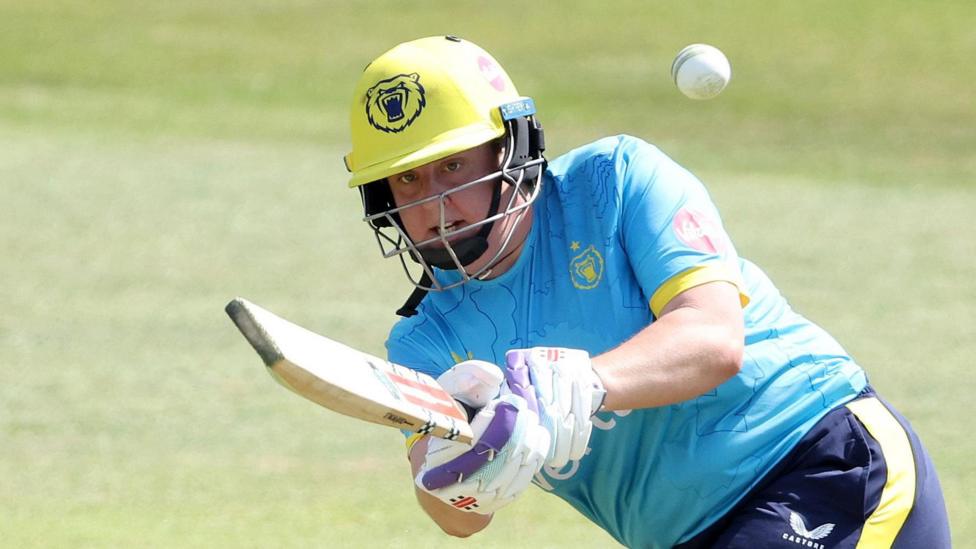
Warwickshire Pull Off Season-Defining Upset Over High-Flying Surrey
Bottom-dwellers Warwickshire shock Surrey in Women's T20 Blast, reshaping the title race as Hampshire surge to the summit.