Rooney Admits Managerial Regrets, Rules Out Return to the Dugout
Wayne Rooney opens up on his troubled coaching career and concedes he won't be back on the touchline.
The Admission
Wayne Rooney has no intention of managing again. The former Manchester United and England striker, speaking candidly about a coaching career that spanned four clubs and delivered precious little success, admits he carries regrets about how things unfolded in the dugout.
It is a rare moment of public vulnerability from a man who once commanded the biggest stages in football. 59 goals in 120 caps for England. 253 goals across two spells at Old Trafford. The all-time leading scorer for his country and his club. Those numbers belong to the player. The manager's record tells a far bleaker story.
"You always have regrets," Rooney said, acknowledging the weight of decisions made across a turbulent managerial journey that never found its footing.
A Career Built on Broken Ground
Rooney's first taste of management came at Derby County in 2020, stepping into a player-manager role that quickly became a full-time position. On paper, it looked like a fairytale appointment. In reality, it was a crisis. Derby were drowning in financial turmoil under then-owner Mel Morris, hit with crippling points deductions that would eventually total 21 points across the 2021-22 Championship season.
Against that backdrop, Rooney performed something close to a minor miracle. He kept Derby competitive for long stretches, galvanised a squad stripped of its best players, and earned genuine admiration from the footballing fraternity. But admiration doesn't pay wages. Derby were relegated to League One, and Rooney departed in June 2022, his reputation enhanced but his managerial CV still short on tangible results.
The move to D.C. United in MLS was supposed to be a fresh start. It wasn't. Rooney took charge of a struggling franchise and failed to turn things around. The club missed the playoffs during his tenure, and the American experiment ended without fanfare in 2023.
Birmingham and the Spiral
If Derby was a baptism of fire, Birmingham City was where the flame guttered out. Rooney was appointed in late 2023 with the club in the Championship, backed by the ambitious ownership of Knighthead Capital, who had injected significant funds into the squad. Expectations were high. Results were dire.
Birmingham won just two league matches under Rooney's stewardship. The team looked disjointed, tactically confused, and low on confidence. He was sacked in January 2024, and the club would go on to suffer relegation to League One by season's end. It was a damning verdict on a tenure that lasted barely three months.
The Plymouth Argyle appointment in May 2024 offered one last lifeline. Back in the Championship, with a club that had punched above its weight under Steven Schumacher, Rooney had another chance to prove his credentials. It ended the same way. Sacked in December 2024 after a run of poor form left Plymouth in deep relegation trouble.
Four clubs. Four exits. A pattern that became impossible to ignore.
The Weight of the Badge
There is a particular cruelty to coaching failure when you were one of the greatest players of your generation. The assumption, fair or not, is that elite footballers will translate their genius onto the training pitch. Rooney never got that memo. Or perhaps he did, and the reality of management simply didn't align with the theory.
At Derby, circumstances conspired against him. At D.C. United, the league's peculiar dynamics made adaptation difficult. At Birmingham and Plymouth, the evidence was harder to excuse away. The tactical setups lacked coherence. The substitutions often felt reactive rather than proactive. The post-match press conferences grew shorter, the body language heavier.
Those who worked alongside Rooney in coaching environments speak of his dedication, his willingness to put in hours on the training ground. But dedication alone doesn't win football matches. The gap between preparation and execution, between tactical theory and matchday reality, was one Rooney could never consistently bridge.
What It Means
Rooney's admission closes the book on one of the more fascinating managerial experiments in recent English football. Here was a player who had everything on the pitch: vision, power, determination, the ability to drag teams to results through sheer force of will. None of it translated.
His decision to step away, rather than cling to diminishing opportunities, is arguably the most mature call he's made in a managerial context. The Championship has no shortage of owners willing to gamble on a big name. Rooney could have drifted from club to club, collecting sacking after sacking, slowly eroding whatever goodwill remained from his playing days. Instead, he's choosing dignity.
For English football more broadly, the Rooney story is a cautionary tale. The pathway from pitch to dugout remains littered with players who believed their playing careers entitled them to managerial success. The game doesn't care about your 253 goals. It cares about your Tuesday night tactical plan for a trip to Rotherham.
Rooney will be remembered as one of the finest English footballers of his era. The managerial chapter, painful as it was, won't change that. But it adds a coda that even the most gifted among us cannot simply will success into existence. Sometimes the best thing a great player can do is know when to walk away.
He knows now. And he's walking.
Editorial Integrity
This is an original SportPulse article written by our editorial team. All content is independently researched, written, and reviewed by our writers and editors before publication. We do not publish copied, aggregated, or syndicated content.
SportPulse is committed to original sports journalism. Read our editorial policy or contact us with any questions.
More Like This
All football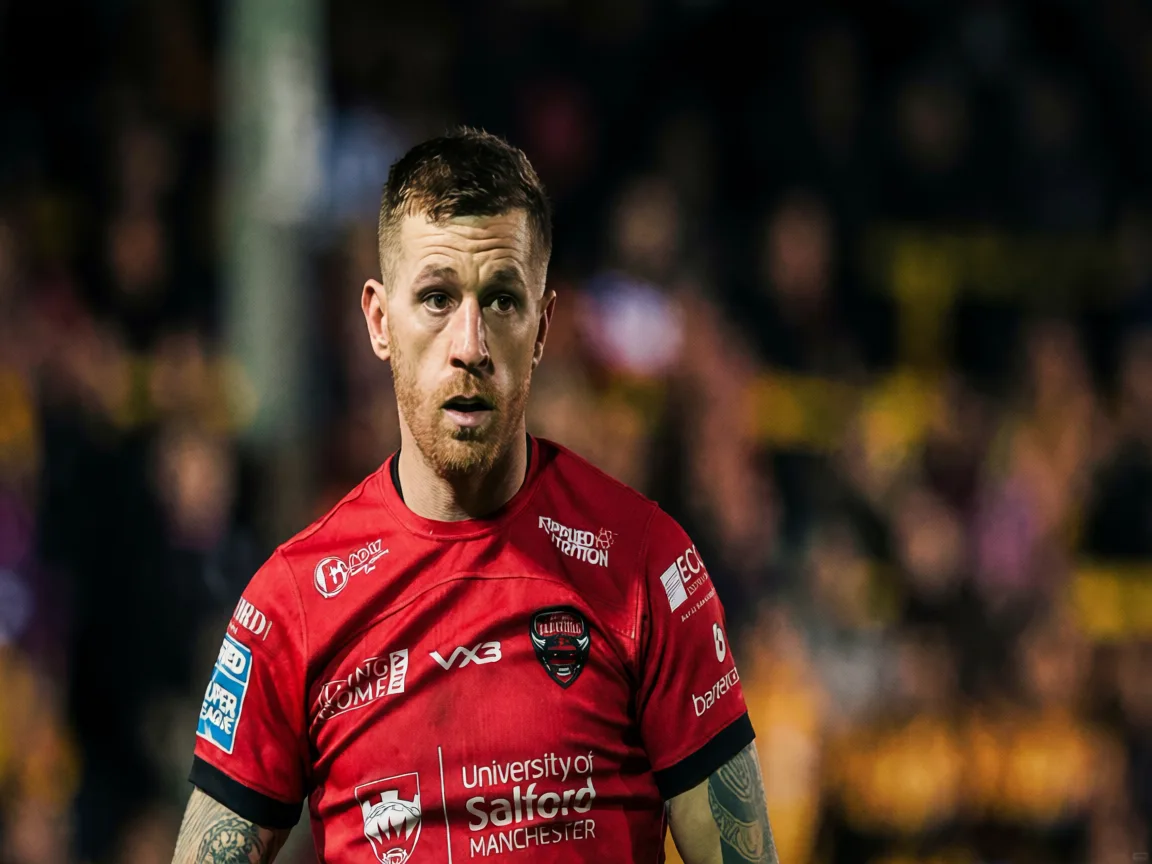
Sneyd Returns to Salford: Homecoming or Last Stand
Marc Sneyd's Salford return is romantic nostalgia meets cold pragmatism for a half-back entering his twilight years.
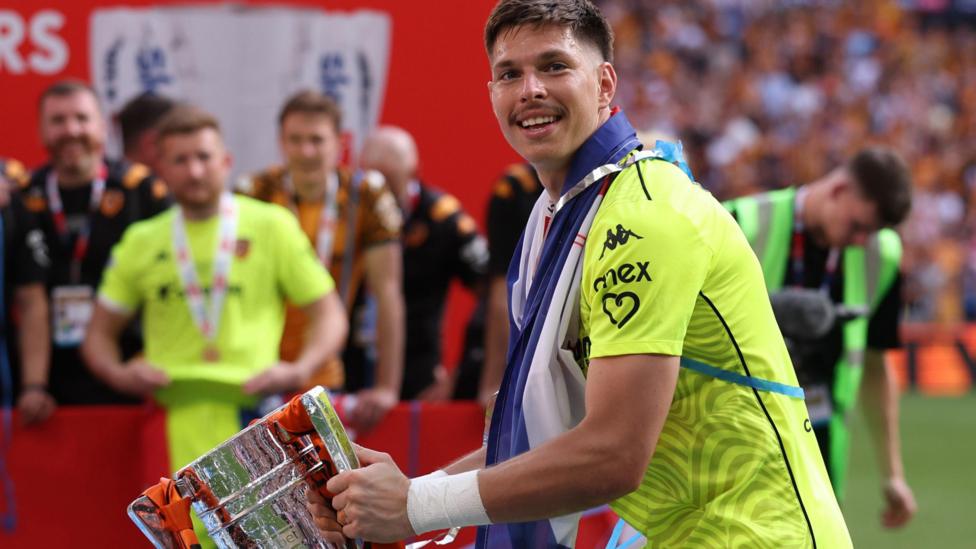
Rangers Seal Pandur Capture From Hull to Bolster Goalkeeping Ranks
Rangers land Croatian goalkeeper Ivor Pandur from Hull City, adding depth and competition behind Jack Butland at Ibrox.
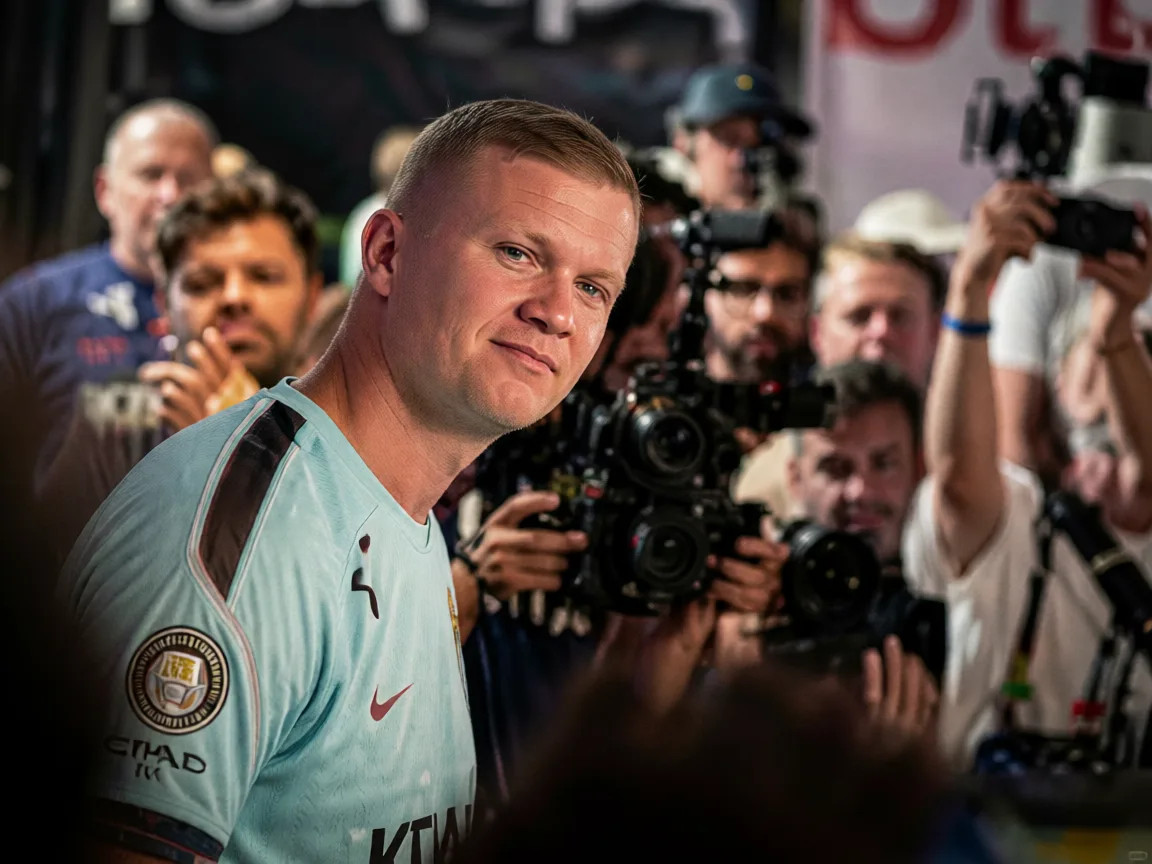
Haaland Turns Up Heat on England Ahead of Norway Quarter-Final
Erling Haaland fires psychological shots at England, claiming all World Cup pressure sits with the tournament favourites.