Africa's World Cup Ceiling: How Close Is the Continent to Lifting the Trophy?
Morocco rewrote history in Qatar, but what structural and tactical shifts must converge for Africa to finally win a World Cup?
The Moment That Changed the Calculus
On December 10, 2022, inside Al Bayt Stadium, Walid Regragui's Morocco side did something no African team had managed in 92 years of World Cup football. They defeated Portugal 1-0 in the quarter-finals and, in doing so, shattered a ceiling that had haunted the continent since Cameroon's Indomitable Lions first announced African ambition at Italia '90. The Atlas Lions did not stumble into the last four. They arrived with a tactical identity so coherent, so disciplined, and so difficult to unpick that it forced the global football establishment to recalibrate its assumptions about what African football could be.
The question that followed was inevitable and remains urgent: when will an African side actually win the World Cup?
The answer is more complex than a single tournament's fairy tale suggests. It lives at the intersection of tactical evolution, institutional infrastructure, player development pipelines, and the slow but measurable closing of the gap between Africa's elite nations and the traditional superpowers.
Regragui's Blueprint: Why Qatar Was Not a Fluke
To understand where African football is heading, you first have to dissect how Morocco got to the semi-finals. Regragui, appointed only three months before the tournament, did not reinvent the wheel. He refined it.
Morocco operated primarily in a compact 4-1-4-1 defensive block that could morph into a 3-2-4-1 in possession, with Noussair Mazraoui inverting into midfield and Achraf Hakimi pushing high on the right. The key was not formation flexibility alone. It was the pressing triggers Regragui installed. Morocco did not press high as a default. They pressed selectively, luring opponents into wide areas before springing a coordinated trap that forced turnovers in zones where Hakimi and Sofiane Boufal could transition instantly.
The numbers tell the story. Across their five knockout-stage matches (including the third-place play-off loss to Croatia), Morocco conceded only one goal from open play. Their defensive shape limited opponents to an average of 0.7 xG per match in the group and knockout stages combined, a figure that rivaled the tournament's best-organized European sides. They did not park the bus. They executed a system.
This distinction matters enormously for the broader question. Regragui demonstrated that African teams can compete at the highest tactical level when coaching infrastructure supports it. The talent was always there. The organisation was the missing piece.
The Tactical DNA of Africa's Best
What made Morocco's approach particularly instructive was its hybrid nature. The pressing intensity drew from the physical dynamism that has always characterised African football, but the positional discipline was unmistakably shaped by European coaching education. Regragui himself played in France and managed in Morocco's Botola Pro before taking the national team job. His staff included analysts schooled in the same data-driven methodology that underpins clubs like Liverpool and Manchester City.
This blending of African athleticism with European tactical rigour is not unique to Morocco. Consider Senegal's 2022 Africa Cup of Nations triumph under Aliou Cissé, achieved through a 4-2-3-1 system built on midfield control and disciplined defensive transitions. Or Algeria's run to the 2019 AFCON title under Djamel Belmadi, whose 4-3-3 pressing structure drew explicit parallels to Pep Guardiola's positional play.
The pattern is clear: Africa's most successful recent teams have all been built on a foundation of coaching philosophy, not just raw talent.
The Infrastructure Gap: Where the Real Battle Is Fought
Tactical sophistication, however, does not emerge from a vacuum. It is a product of investment, and this is where the conversation becomes uncomfortable.
Africa's top footballing nations remain significantly behind Europe and South America in several critical areas. According to FIFA's 2023 Global Transfer Report, African clubs generated just 3.2% of total international transfer revenue globally, compared to 68% for European leagues. This revenue disparity means fewer resources for youth academies, sports science departments, performance analysis units, and coaching education programmes.
The talent pipeline is not the problem. Africa exports more professional footballers to Europe than any other continent outside Europe itself. More than 450 African-born players featured across Europe's top five leagues in the 2022-23 season. The problem is that these players are developed outside the continent, schooled in tactical systems designed by European clubs for European objectives. When they return for international duty, the challenge is not individual quality. It is collective cohesion within a tactical framework that national team coaches have limited time to install.
Compare this to the preparation cycles available to European and South American sides. A European team competing in the Nations League, European Championship qualifiers, and friendly windows accumulates roughly 60 to 70 days of collective training time over a four-year World Cup cycle. African nations operating under the CAF calendar, with its AFCON qualifiers, CHAN tournaments, and logistical complications, often have less structured continuity.
The AFCON Factor
The Africa Cup of Nations itself presents a unique tactical challenge. Held biennially and typically in January or February, AFCON forces European clubs to release players mid-season. This creates friction, but it also provides African coaches with a competitive tournament environment that sharpens tactical cohesion. Morocco's success in Qatar was partly built on the confidence gained from AFCON qualification and the competitive fixtures it provided.
The biennial format, while controversial, gives African nations more high-stakes competitive football than many European sides experience between major tournaments. The trade-off is physical fatigue and club-versus-country tension. But the tactical benefit of regular, meaningful matches is real.
Coaching Renaissance: Africa's Quiet Revolution
The most significant development in African football over the past decade has not been a single player or tournament result. It has been the gradual professionalisation of coaching at the national team level.
The days of relying solely on retired star players turned managers with minimal tactical education are fading. CAF has invested in coaching licence programmes, and federations like Morocco's FRMF and Senegal's FSF have built institutional frameworks that support long-term tactical planning rather than reactive squad management.
Consider the coaching profiles at the 2022 World Cup. Regragui held a UEFA Pro Licence and had studied under multiple European coaching influences. Cissé had over a decade of structured coaching development before leading Senegal. Belmadi spent years working in Qatari football, absorbing tactical influences from across the sport's global spectrum. Rigobert Song, who coached Cameroon, was the exception rather than the rule, and Cameroon's group-stage exit reflected the gap between reactive and proactive coaching approaches.
This coaching renaissance extends beyond the national team level. African club football is slowly professionalising, with the CAF Champions League becoming a more tactically sophisticated competition. Al Ahly's run to the 2023 CAF Champions League title showcased a 4-2-3-1 pressing system that would not have looked out of place in a European second-tier league. Wydad Casablanca's 2022 Champions League triumph was built on defensive organisation that echoed Morocco's World Cup approach.
The Path to a World Cup: What Must Converge
So when can Africa realistically win the World Cup? The honest answer requires acknowledging several converging factors.
First, the expansion to 48 teams from the 2026 World Cup in the United States, Canada, and Mexico gives Africa nine guaranteed spots (potentially 10 via inter-confederation playoffs), up from the traditional five. More representation increases the probability that multiple African nations arrive at the tournament in strong tactical and physical form. It also means that the bracket dynamics could produce favourable knockout-stage draws, something Morocco benefited from in 2022 when they avoided Brazil and Argentina until the semi-finals.
Second, the generational talent pipeline is deepening. Morocco's 2022 squad featured players from Real Madrid, Chelsea, PSG, and Bayern Munich. Senegal's core included starters at Chelsea, Bayern, and Everton. This concentration of African talent at Europe's elite clubs is only growing. By 2026 and certainly by 2030, the tactical fluency of African players operating at the highest club level will be even more advanced.
Third, and most critically, the coaching gap must continue to narrow. Morocco proved that an African team with a clear tactical identity and disciplined execution can compete with anyone. The challenge is replicating that across the continent's strongest nations. A Cissé, a Belmadi, or a Regragui needs institutional backing, analytical support staff, and uninterrupted preparation time to build the kind of tactical framework that wins World Cups.
Tactical Shift: What Changed After Qatar
The ripple effects of Morocco's run are already visible. CAF has accelerated investment in coaching education. Several African federations have hired European-style performance directors and data analysts. The AFCON 2023 tournament in Ivory Coast showcased improved tactical discipline across the field, with hosts Ivory Coast winning the title under Emerse Fae's structured 4-3-3 system that emphasised controlled possession and aggressive counter-pressing.
Morocco's semi-final appearance also changed how European clubs evaluate African players. The perception of African footballers as raw, athletic talents who need tactical refinement has been replaced by recognition that players from systems like Regragui's arrive at club level with genuine positional intelligence. This, in turn, accelerates their integration into elite European tactical environments, creating a virtuous cycle.
The Verdict: Closer Than You Think, Further Than You Hope
Africa will not win the 2026 World Cup as a favourite. The traditional powers, France, Brazil, Argentina, England, Germany, will still enter with deeper squads and more established tactical systems. But Morocco's precedent has moved the conversation from if to when, and the structural indicators suggest the gap is closing at an accelerating rate.
The most likely path to an African World Cup triumph involves a combination of factors converging at a single tournament: a generational talent pool, a tactically sophisticated coach with institutional backing, favourable bracket dynamics, and the collective belief that Morocco's run made possible. That convergence could arrive as soon as 2030 in Spain, Portugal, and Morocco, a tournament where the Atlas Lions would carry the weight of home-continent expectation and the tactical blueprint they themselves authored.
The ceiling Morocco cracked open in Qatar has not been fully broken through. But it is no longer intact, and every tactical innovation, every coaching appointment, every young African player schooled at Europe's top academies brings the continent one step closer to the day the World Cup trophy travels south across the Mediterranean.
Editorial Integrity
This is an original SportPulse article written by our editorial team. All content is independently researched, written, and reviewed by our writers and editors before publication. We do not publish copied, aggregated, or syndicated content.
SportPulse is committed to original sports journalism. Read our editorial policy or contact us with any questions.
More Like This
All long-reads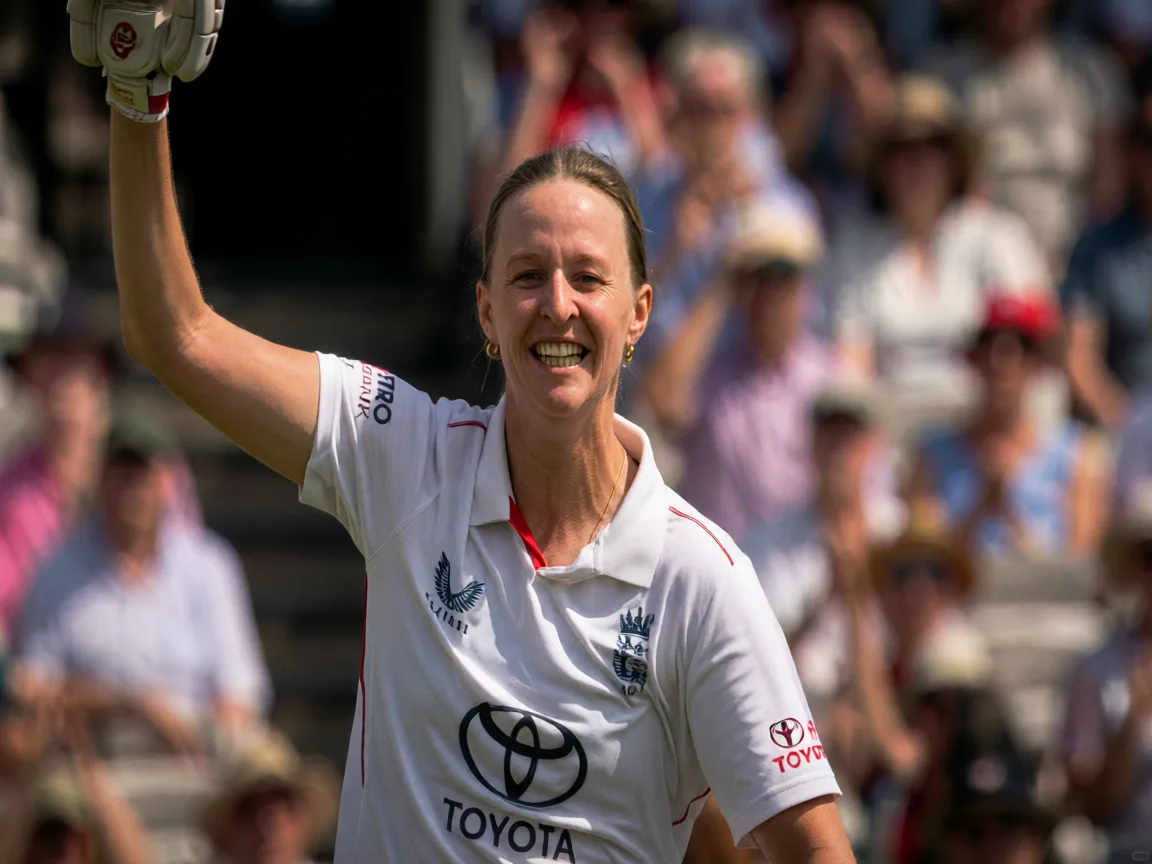
Filer Etched Into Lord's History With The Loveliest Delivery
Lauren Filer became the first bowler to claim a wicket in a women's Test at Lord's, triggering a historic morning for English cricket.
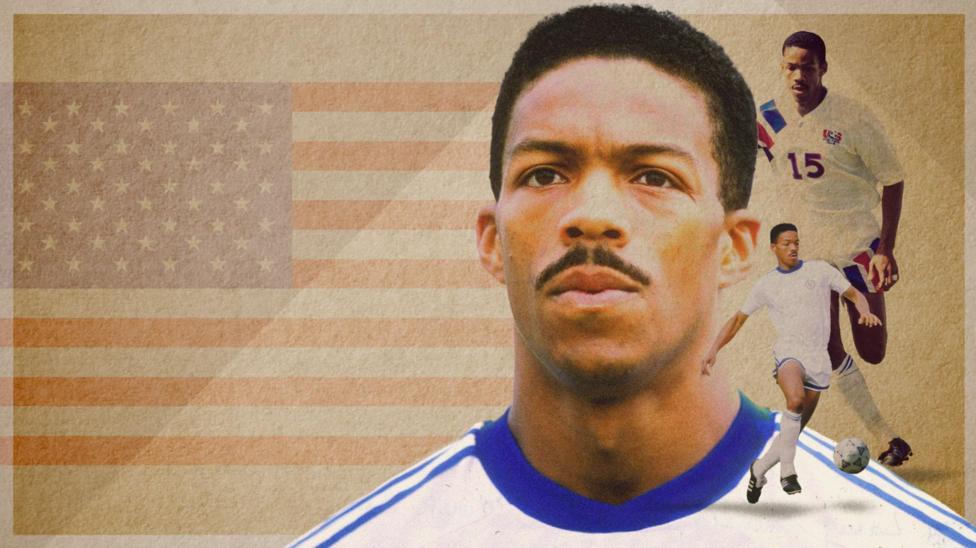
The Unthinkable Question That Drove USMNT Pioneer Desmond Armstrong
Desmond Armstrong faced ignorance at Italy 90, but his resolve reshaped the USMNT identity for a generation.
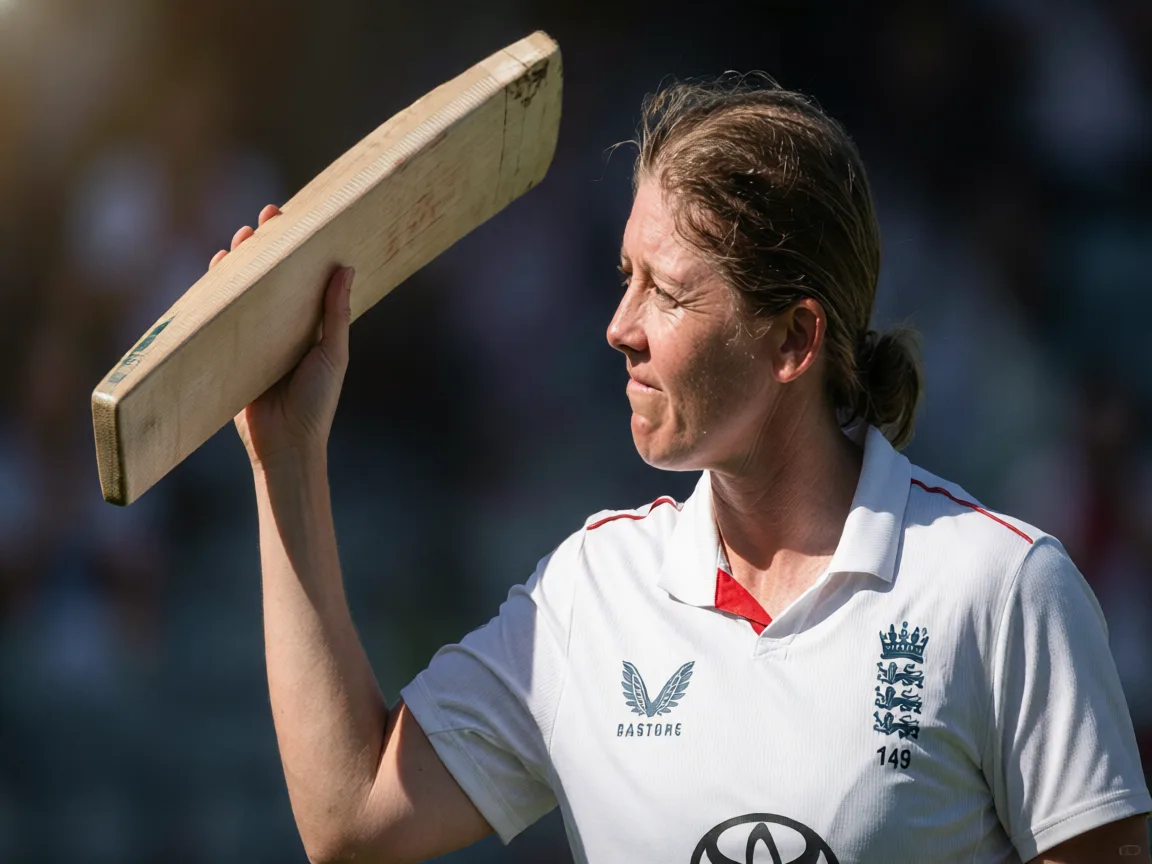
Tactical Oblivion: England's 457-Chase Collapse Ends Knight Era
England's reductive aggression against India's disciplined attack turned Heather Knight's Lord's farewell into a tactical wake.