Max Whitlock Forced Out of Glasgow Commonwealth Games With Hand Injury
Three-time Olympic gold gymnast Max Whitlock withdraws from Glasgow's Commonwealth Games after a training hand injury shatters his planned farewell.
A Farewell Deferred
Max Whitlock will not compete at this summer's Commonwealth Games in Glasgow. The three-time Olympic gold medallist withdrew from the event after injuring his hand during a training session, abruptly ending what was shaping up to be an emotional farewell on home soil.
The injury derails a narrative that British gymnastics had been building toward for months. Whitlock, now 30 years old, had earmarked the Glasgow Games as a cornerstone of his 2024 season, a chance to perform in front of a British crowd potentially for the final time.
Glasgow holds a special significance in the Whitlock story. The Scottish city hosted the 2014 Commonwealth Games, where a young Whitlock announced himself to the wider sporting world with two gold medals and a bronze. Returning a decade later as a grizzled veteran carried a poetic symmetry that now evaporates.
The Injury and Its Timing
Details surrounding the specific nature of the hand injury remain tightly guarded by British Gymnastics. What is confirmed is that the damage occurred during a routine training block, the kind of session Whitlock has executed thousands of times across a career spanning over 15 years at the elite level.
Hand injuries are particularly devastating for a gymnast of Whitlock's specialization. His legendary dominance on the pommel horse requires extraordinary grip strength and wrist mobility. Every element, from the Thomas flares to the complex scissor sequences, channels force through the hands and wrists. Even a minor strain or fracture in that area compromises the entire kinetic chain.
The timing compounds the cruelty. With the Commonwealth Games scheduled for this summer, Whitlock was entering the critical sharpening phase of his preparation. Training at this stage intensifies, routines are polished to a mirror finish, and landings are rehearsed obsessively. To suffer a significant injury now means the recovery window is simply incompatible with the competition calendar.
Legacy Forged in Gold
Whitlock's absence removes the single most decorated gymnast from the Glasgow field. His career resume reads like a fantasy: three Olympic gold medals, one Olympic silver, and one Olympic bronze. He claimed double gold at the 2016 Rio Olympics and added another gold at the 2020 Tokyo Games, cementing himself as the greatest pommel horse practitioner of his generation.
Beyond the Olympic pedestal, Whitlock amassed a staggering collection of World and European championship medals. He became the first British gymnast to win an Olympic gold medal, a watershed achievement that fundamentally shifted the sport's landscape in the United Kingdom. Before Whitlock, gymnastics was largely viewed through an Eastern European and Asian lens. He proved that a British athlete could reach the absolute summit of this deeply technical discipline.
His bronze on the floor exercise at the 2012 London Olympics was the spark, but the pommel horse gold in Rio was the inferno. That performance in Rio, scoring 15.633, was a masterclass in execution under suffocating pressure. It remains a benchmark routine that aspiring gymnasts study frame by frame.
The Competitive Void in Glasgow
Whitlock's withdrawal opens a gaping hole in the Commonwealth gymnastics program. Ticket sales and broadcast scheduling had leaned heavily on his star power. While gymnastics at the Commonwealth level features numerous talented athletes across the home nations, Whitlock operated on a different stratosphere of fame and technical mastery.
For the remaining British gymnasts, the door suddenly swings open. The pommel horse no longer features an immovable juggernaut. Athletes like Joe Fraser and the rising generation of British gymnasts now face a wide-open field. The narrative shifts from coronation to genuine, unpredictable competition.
Yet even the athletes benefiting from his absence recognize the somber reality. A competitive field loses its ultimate measuring stick when Whitlock is absent. You want to beat the best to truly call yourself the best, and in gymnastics, Whitlock IS the best.
Inside the Camp
The atmosphere inside the British Gymnastics training base in the days following the withdrawal was one of stunned quiet. Training routines continued, but the void left by Whitlock's absence was palpable. Staff moved through sessions with visible weight, knowing a decade-long chapter had just closed without a proper ending.
"Max is more than a teammate or a rival. He is the benchmark we all measured ourselves against. To see him miss Glasgow is a gut punch for the entire squad."
The coaching staff now faces a rapid recalibration. Game plans designed to complement Whitlock's routines and maximize medal opportunities need urgent restructuring. Theteam dynamics shift when the proven anchor is suddenly removed from the equation.
What It Means
The immediate impact is a significant blow to the commercial and visual appeal of the Glasgow Commonwealth Games. Organizers lose a marquee name that bridged the gap between hardcore gymnastics fans and the casual sporting public. Broadcasters will scramble to identify new narrative threads to fill the airtime.
For Whitlock himself, this injury introduces a harsh period of reflection. At elite level, rehabilitation is a lonely, grueling process. The physical toll is immense, but the mental challenge of processing a shattered goal is equally profound. Retirement decisions loom larger when the body begins betraying the ambition.
British Gymnastics must also urgently accelerate succession planning. The pipeline behind Whitlock contains immense talent, but replacing an icon requires more than talent. It demands sustained excellence at major championships, a level of pressure that only a select few can handle.
For the fans in Glasgow, the anticipation now pivots. The Games will still deliver world-class gymnastics and fierce competition. But the chance to bid farewell to the greatest British gymnast of all time, potentially for the last time on a major stage, has slipped through their fingers.
Editorial Integrity
This is an original SportPulse article written by our editorial team. All content is independently researched, written, and reviewed by our writers and editors before publication. We do not publish copied, aggregated, or syndicated content.
SportPulse is committed to original sports journalism. Read our editorial policy or contact us with any questions.
More Like This
All long-reads
Maddy Cusack Inquest Adjourned Again as New Documents Emerge
Nearly three years after Maddy Cusack's death, her inquest faces another delay as fresh documents force proceedings to halt indefinitely.
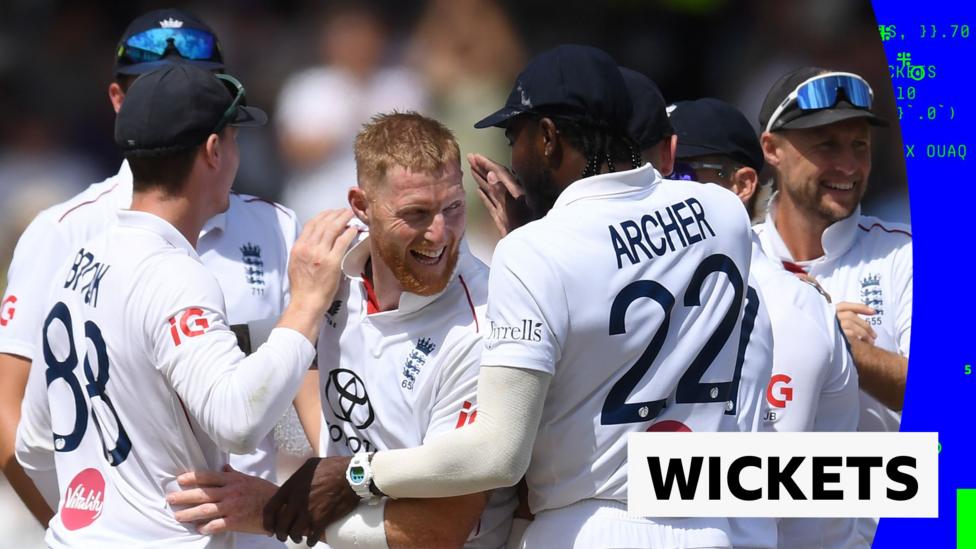
Ten Balls of Carnage: England Seize Trent Bridge
Three wickets in ten balls vaporized New Zealand's momentum, turning a commanding 204-4 into a precarious 206-7 on day four.
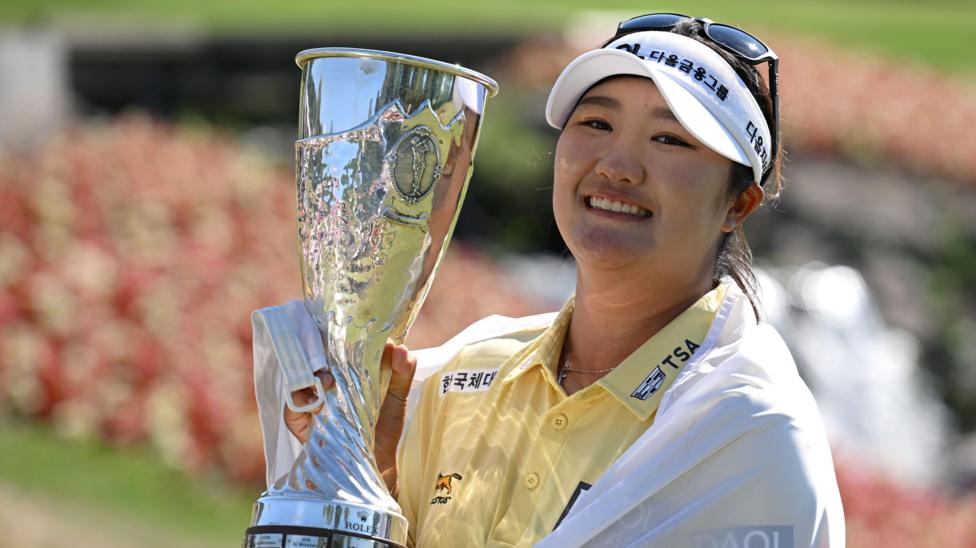
Ryu Stuns Henderson in Evian Playoff For Second Major in Two Weeks
Haeran Ryu defeated Brooke Henderson in a dramatic Evian Championship playoff to capture her second major title in a mere fortnight.