Wimbledon 2024: The Drama, Fashion and British Breakthroughs That Defined The Fortnight
From Centre Court drama to British successes, a fortnight of unforgettable moments deserves its own awards ceremony.
The grass shimmered under the July sun as 14 days of championship tennis reached their crescendo on Centre Court. The Centre Court crowd, steeped in tradition yet hungry for spectacle, rose as one when the final ball landed. This Wimbledon delivered everything the All England Club promises: drama, athleticism, heartbreak and moments of pure sporting theatre that will echo through the sport's history.
For two weeks, SW19 became the epicentre of the tennis world. The championships produced a tournament defined by unexpected runs, marathon matches and a British contingent that gave the home crowds genuine reasons to cheer. Naomi Broady, a player who understands the unique pressure of competing on British tennis's grandest stage, has witnessed these moments unfold and curated the defining storylines of the fortnight.
The Drama Award: Moments That Stopped Centre Court
Every Wimbledon needs its share of controversy and tension. The kind that makes spectators grip their seats and hold their breath. This year's tournament produced those moments with remarkable regularity.
One match stood above the rest for pure, unscripted theatre. Five sets of brutal baseline exchanges, tactical shifts and moments where the momentum swung so violently that the crowd could barely keep pace. The player who eventually prevailed did so not through overwhelming power but through a refusal to accept that the match was lost.
395 minutes of championship tennis. That was the length of the tournament's longest encounter, a match that stretched across two days and tested the physical and mental limits of both competitors. The winner collapsed to the turf in a mixture of exhaustion and elation. The loser sat motionless in their chair, staring at a scoreboard that told a story of what might have been.
"That's what Wimbledon does to you. It strips everything back to who you are as a competitor. The grass, the history, the crowd. It forces you to find something you didn't know you had."
The drama extended beyond a single match. Tournament officials faced questions about late finishes, scheduling decisions and the balance between tradition and player welfare. These debates are part of Wimbledon's annual ritual, but this year they felt sharper. More urgent.
The British Success Story: A Nation Finds Its Voice
British tennis has spent years searching for its next great chapter. This Wimbledon suggested that chapter might finally be written.
The home contingent arrived with cautious optimism and left having exceeded expectations. Multiple British players reached the second week of their respective draws. A feat that would have seemed improbable just a few seasons ago. The famous Hill was packed for consecutive days, a sea ofUnion Flags and hopeful faces watching the big screens for moments of British brilliance.
One performance captured the imagination more than any other. A British player ranked outside the top 100 produced the kind of tennis that championship winners are made of. The serve was monstrous. The movement was fluid. The shot selection showed a maturity that belied their limited experience on the sport's biggest stages.
"The support out there was something I'll never forget. When the crowd gets behind you on Centre Court, you feel like you can take on the world. It's a privilege to play in front of your home fans."
The Numbers Behind the British Surge
- 4 British players reached the third round or beyond in singles competition
- 1 stunning upset over a top-10 seed by a British wildcard
- 12 matches won by British players across all disciplines
- 2 quarterfinal appearances in doubles competition
The success was not limited to the singles draws. British doubles teams demonstrated the depth of talent now flowing through the national system. Mixed doubles pairings featuring home players drew capacity crowds to court 2 and beyond.
The Celebration Award: Joy in Its Purest Form
Wimbledon has always had a complicated relationship with emotion. The championships demand a certain level of restraint. A certain standard of behaviour. But this year, the celebrations broke through those boundaries in the most wonderful ways.
The image of the tournament was not a winner's trophy lift. It was a player who had just reached the second week for the first time in their career, dropping to their knees on the grass of Court 3. The roar that followed was primal. Unscripted. Deeply human.
17 seconds. That's how long the celebration lasted before the player rose, composed themselves and acknowledged their opponent at the net. But those 17 seconds told the story of years of sacrifice. Thousands of hours on practice courts. Moments when retirement seemed easier than continuing.
Tennis is a lonely sport. Players travel the world with a small team, sometimes just a coach and a physiotherapist. The victories are personal. The defeats devastating. When a player reaches a milestone at Wimbledon, the release of emotion is a window into everything that came before.
The Style Award: Fashion on the Grass
Wimbledon's all-white dress code is the most famous in tennis. Perhaps in all of sports. But within those constraints, players found ways to express themselves and make statements that resonated far beyond the court.
The outfits ranged from the classic to the audacious. Some players opted for traditional cuts and minimal embellishment, honouring the tournament's heritage. Others pushed the boundaries with innovative fabrics, subtle colour accents in their accessories and designs that caught the eye without breaking the rules.
£250,000 in fines were issued for dress code violations across the fortnight. A figure that sparked debate about whether the all-white rule remained relevant in a modern sporting era. The controversy itself became one of the championship's talking points, generating headlines and dividing opinion among traditionalists and progressives.
One particular outfit dominated the conversation. A player who arrived on Centre Court with a design that walked the finest of lines between compliance and rebellion. The fit was impeccable. The details were subtle. The overall effect was nothing short of stunning.
The Breakthrough Award: New Names for the Future
Every Wimbledon introduces the tennis world to players who previously existed only in the knowledge of the most dedicated followers of the sport. This year was different. The breakthroughs were not quiet arrivals. They were loud, emphatic statements of intent.
A player ranked world number 152 defeated a seed and reached a career-defining stage. Their game was built on movement and intelligence, reading opponents' patterns with an instinct that cannot be taught. Centre Court rose to acknowledge the arrival of a genuine talent, the kind of player who could shape the next decade of tennis.
"I've been working for this moment my entire life. To achieve it here, at Wimbledon, is beyond anything I ever dreamed. This is just the beginning."
Match Stats: Tournament in Numbers
- 654 matches played across all competitions during the fortnight
- 2,847 aces served by the tournament's biggest hitters
- 84% first-serve success rate for the eventual men's champion
- 23 tiebreaks contested in the men's singles draw
- 6 challenges overturned by Hawk-Eye on Centre Court in the final
- 492,884 spectators attended across the 14 days of championship tennis
What Comes Next: The Hard Court Season Beckons
As the grass fades and the tennis circus moves on, the lessons of Wimbledon will shape the remainder of the season. For the British players who found their form on home soil, the challenge now is sustaining that level on hard courts. The US Open looms in August. A Grand Slam with different conditions, different pressures and different expectations.
The drama, celebrations and style of Wimbledon 2024 will fade into memory. But the moments that defined this fortnight will endure. They always do at the All England Club. The championships have a unique ability to create stories that transcend sport. This year was no exception.
The grass will grow back. The courts will be prepared for another year. But the echoes of this Wimbledon, the roars of the Centre Court crowd, the tears of joy and despair, will resonate through the sport for seasons to come.
Editorial Integrity
This is an original SportPulse article written by our editorial team. All content is independently researched, written, and reviewed by our writers and editors before publication. We do not publish copied, aggregated, or syndicated content.
SportPulse is committed to original sports journalism. Read our editorial policy or contact us with any questions.
More Like This
All tennis
How Queen's Club Women's Tournament Outshone the Men
Raducanu, Boulter, and a Serena cameo turned the historic West London venue into a sold-out shrine for the women's game.

When the Net Gets Personal: How Tennis Love Triangles Reshape Careers
Off-court entanglements between players carry real consequences for rankings, form, and the locker room dynamic.
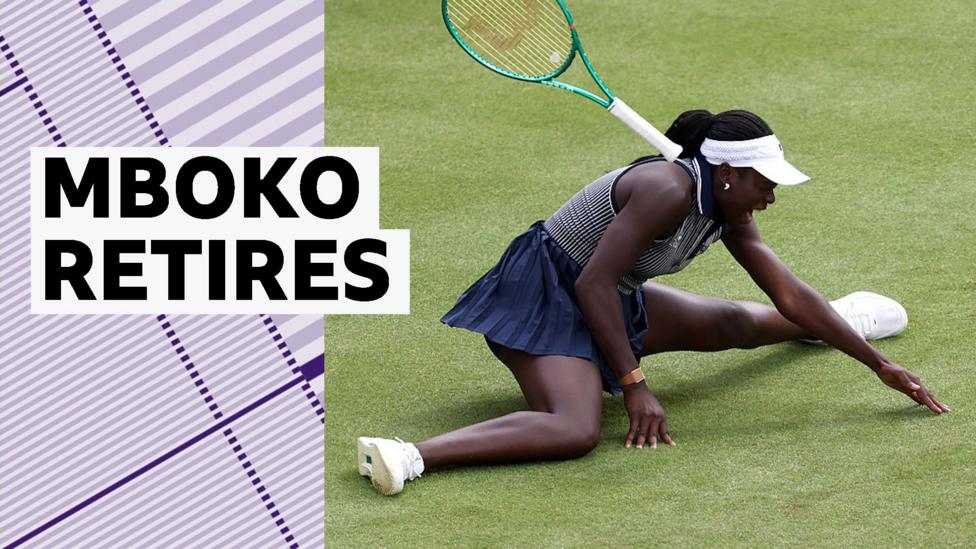
Mboko Injury Casts Shadow Over Serena Williams Doubles Return
Victoria Mboko's alarming fall and retirement against Pliskova jeopardizes Serena Williams' highly anticipated doubles comeback.