Final Weekend: Spain Face Argentina as Continental Rivalry Overrides Regional Solidarity
World Cup 2026 ends with Spain versus Argentina in the final and England facing France for bronze amid deep tactical and cultural storylines.
The Final That Split a Continent
The 2026 World Cup comes down to Spain versus Argentina, a final that carries more geopolitical weight than any match since the tournament expanded to 48 teams. What should have been a straightforward celebration of South American football solidarity has instead exposed deep fractures across the continent.
Most Brazilians will be supporting Spain on Sunday. That is not speculation. It is a fact confirmed by millions of memes, social media posts, and public statements from figures across Brazilian football. The traditional Latin American backing of any team from the region advancing deep into a World Cup has collapsed under the weight of continental rivalry with Argentina.
This breaks decades of convention. When Brazil lifted the trophy in 2002, Argentine fans grudgingly acknowledged their neighbors' supremacy. When Argentina won in 2022, Brazilian supporters offered respectful applause for Lionel Messi's coronation. But 46 years of competitive tension, controversial incidents, and escalating verbal warfare between fanbases have eroded that goodwill entirely.
The final shapes up as a clash of football philosophies. Spain's tournament has been built on possession dominance and squad rotation, with manager Luis crafting a collective where no single player operates above the system. Argentina counters with tournament pedigree, emotional intensity, and the proven ability to grind through knockout rounds when tactical precision falters.
Inside Argentina's camp this week, the mood is focused with an undercurrent of defiance. After 47 days together in tournament isolation, the squad understands exactly what this match means to their country and what lifting back-to-back World Cups would cement in football history.
The Spanish Philosophy: Ego Balanced with Humility
Spain's bench players have become the defining story of their tournament run. Rather than sulk or fracture the squad, substitutes have embraced complementary roles that most club stars would reject outright.
"Coming from the bench isn't the ideal plan for any player, but when you join a national team that's as strong as I and Lautaro have, you value every opportunity and try to help your team if you come on or if you don't. You focus on the present, embrace the situation, and think of yourself as the guy who can do it. I have complete belief in myself, my ability: every time I come on to the pitch I think I can have impact. In the final, I hope anyone [Spanish] is the hero. The trophy belongs to all of you, not just the 11 on the pitch."
That quote, from a Spanish forward who has accepted a reduced role, captures the tension between individual ambition and collective purpose. The player openly acknowledges that ego is necessary. Footballers do not reach elite level without deep self-belief. But Luis has convinced his squad that ego must serve the team structure or it becomes corrosive.
"Players come to the national team because they're important [at their clubs] and find a new reality. It is easy to talk about 'family' but when things don't go well, when they're difficult, is when you truly see that."
The Spanish manager's approach treats character evaluation as equal to tactical fit. Luis assembles squads focused on being a good human first and a good footballer second. That philosophy helps when a group spends 47 consecutive days in camp together, sharing meals, meetings, and pressure without internal fracture.
When the Mask Slips
National teams love to invoke the word "family." Every pre-tournament camp produces group photos and social media posts projecting unity. But the real measure of that bond comes during adversity, and Spain has faced enough tense knockout moments this summer to prove theirs is more than a slogan.
"We know each other very well, we know when to joke, when to be silent; that's the strength of the group. That after 46, 47 days all together, we're still..."
The trailing sentence speaks volumes. After nearly seven weeks in close quarters, that Spanish squad has not splintered into factions, leaked internal disputes, or produced a single negative headline about player dissatisfaction. Even a player who starts on the bench and could demand more minutes sounds genuinely invested in the collective mission.
The England Question
While Spain and Argentina prepare for the final, England face France in the third-place playoff. A match nobody wants to play has forced the Football Association into rapid evaluation of Thomas Tuchel's tenure.
England's exit was not solely about Tuchel's tactical decisions. The deeper issues stem from a squad still searching for identity after the golden generation's expiration date passed. Defensive frailties that were visible in qualifying became fatal against elite opponents. The midfield balance never settled across seven tournament matches, and Tuchel's insistence on fluid front-three combinations produced moments of brilliance alongside stretches of total disconnect.
The bronze medal match against France offers England one final chance to answer questions about what they want to be. Les Bleus remain a tournament machine despite their own semifinal failure. Didier Deschamps has built a system that absorbs pressure, transitions ruthlessly, and concedes almost nothing from set pieces. England must find goals against the tournament's best defensive record outside of the two finalists.
Historical Footnotes and Modern Narratives
The last time Argentina and Spain met in a World Cup context with similar stakes was 1966. That tournament produced its own controversy, its own narratives, and its own lasting grudges. Football history between these two nations is relatively thin compared to their respective rivalries with Brazil, England, and Germany.
That lack of shared history makes Sunday's final unpredictable. There is no deep psychological scar tissue from previous knockout meetings. No player on either side has faced the other in a match of this magnitude wearing their national colors. The tactical chess match between Lionel Scaloni and Luis will be played on a fresh board with no precedent to constrain either manager's choices.
What the Numbers Reveal
Key metrics from both finalists paint a picture of contrasting approaches to winning football matches at the highest level.
- 47 days in camp together for Spain, testing squad harmony and mental endurance to the absolute limit
- 7 tournament matches played by England under Thomas Tuchel before their semifinal elimination
- 48 teams in the expanded 2026 format, making this the largest World Cup in football history
- 46 years since Argentina and Spain last faced meaningful competitive friction at a World Cup
- 2 consecutive World Cup finals for Argentina if they advance, making them the first nation to achieve that feat since Brazil in 1994 and 1998
The French squad presents a paradox in the third-place match. They possess arguably the most talented roster in the tournament but fell short when it mattered most. Deschamps faces his own reckoning about whether his pragmaticstyle remains suited to knockout football in an era of increasing tactical sophistication.
What It Means
Spain versus Argentina is more than a football final. It is a referendum on two competing visions of the modern game: collective system versus individual brilliance, tactical patience versus emotional intensity. The winner defines the narrative of this World Cup for decades to come.
For Argentina, back-to-back World Cup titles would establish this generation as the dominant international force of their era. For Spain, a first World Cup since 2010 would validate Luis's human-first philosophy as a legitimate blueprint for tournament success.
For England and Tuchel, the third-place playoff is an audition under pressure where one more flat performance triggers serious questions about project direction. And for Brazil, watching Spain attempt to defeat their most bitter continental rival, the complicated truth is that Latin American solidarity has limits even they cannot transcend.
The final weekend of the 2026 World Cup delivers two matches that answer every major question this tournament has posed. How much does squad chemistry matter over thirty days of competition? It matters enough to turn elite club starters into willing bench players. Can tactical pragmatism defeat expressive football when the stakes reach their absolute peak? We will find out on Sunday.
Editorial Integrity
This is an original SportPulse article written by our editorial team. All content is independently researched, written, and reviewed by our writers and editors before publication. We do not publish copied, aggregated, or syndicated content.
SportPulse is committed to original sports journalism. Read our editorial policy or contact us with any questions.
More Like This
All football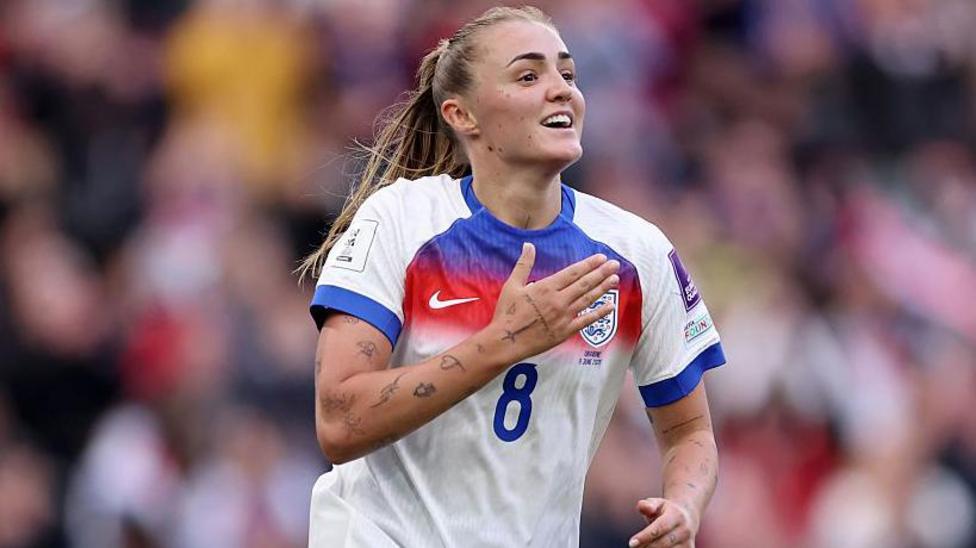
Arsenal Secure Stanway: The WSL Signal That Changes Everything
Arsenal poach Georgia Stanway from Bayern Munich, signaling urgent intent and shifting WSL power dynamics ahead of a pivotal season.
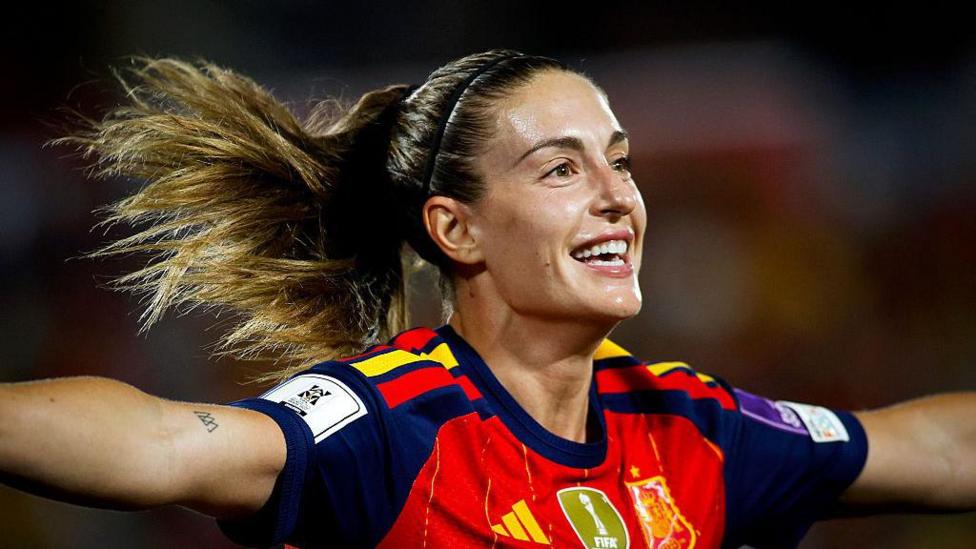
Putellas to London City Lionesses: A Move Nobody Predicted
Two-time Ballon d'Or winner Alexia Putellas's shock switch to London City Lionesses reshapes women's football's transfer landscape.
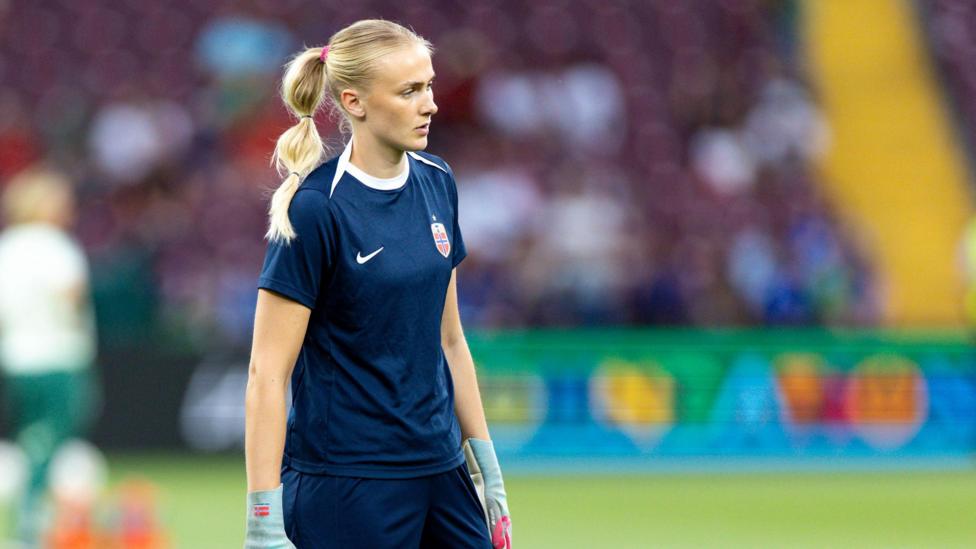
Spurs Secure Panengstuen: Brann's Sweeper-Keeper Arrives
Tottenham land Norway's Selma Panengstuen from SK Brann, injecting a radical sweeper-keeper profile into their WSL tactical project.