The World Cup's Star Obsession Is Missing the Point
This tournament worships individuals, but the irony is that every superstar story proves the collective still matters most.
When Did the World Cup Become a Golden Boot Race?
Here's the sentence that should make every football purist wince: "Cristiano Ronaldo's record-equalling sixth World Cup got off to a disappointing start." That was Reuters' lead on Portugal's 1-1 draw with the Democratic Republic of the Congo last week.
Read it again. Slowly.
A nation of over 100 million people just produced arguably the greatest sporting moment in its footballing history. And the global wire service framed it as one man failing to score.
This isn't new, of course. World Cup coverage has always orbited around its brightest stars. But something has shifted in 2026. The volume is louder. The framing is more aggressive. And the disconnect between narrative and reality has never been wider.
The Machinery Behind the Myth
This tournament is swimming in star power, and the media-industrial complex has decided to lean into that fact with zero subtlety. France beat Iraq in the group stage, and the story wasn't about France's tactical shape or Iraq's brave resistance. It was about Kylian Mbappé throwing down the gauntlet to Erling Haaland, Harry Kane, and the rest of the Golden Boot contenders.
The group phase, ostensibly the foundation of the entire competition, has started to feel like an inconvenient prelude. An opening act nobody asked for before the headliners take the stage.
Google data tells the story better than any column. Miroslav Klose's all-time World Cup goals record has been searched more during this tournament than in the year he actually set it. Fans aren't watching matches. They're watching scoreboards for individual tallies.
The question echoing across every broadcast, every social feed, every push notification: Can Lionel Messi lift the one trophy he hasn't won yet?
Not Argentina. Messi.
The Economics of Ego
This isn't accidental. It's structural.
The modern football economy runs on individual brands. Shirt sales are driven by names on the back, not crests on the front. Social media engagement tracks players, not systems. Broadcast rights packages in certain markets are sold on the promise of specific superstars appearing on screen.
When a network pays billions for World Cup rights, they need recognizable faces driving tune-in. A tactical masterclass by a well-drilled collective doesn't trend on X. A Ronaldo stepover does.
The 2026 tournament, expanded to 48 teams and spread across three North American nations, is the biggest commercial football event ever staged. The incentive to reduce it to a handful of marketable protagonists has never been greater.
And the numbers back it up. Player-centric content consistently outperforms team-centric content by a factor of three to five on major platforms. The algorithm doesn't care about defensive transitions. It cares about who scored.
The Irony Nobody Talks About
Here's the part that makes the whole thing fascinating: the obsession with individuals actually proves the supremacy of the collective.
Think about it. Ronaldo didn't score against DR Congo not because he forgot how to finish at 41 years old. He didn't score because DR Congo's defensive structure, their shape, their discipline, their willingness to sacrifice individual glory for collective purpose, made it nearly impossible.
DR Congo drew with Portugal. That's not a Ronaldo failure story. That's a team success story.
Mbappé's goals for France don't emerge from individual brilliance in a vacuum. They emerge from Antoine Griezmann's positioning, from fullback overlaps, from a midfield press that wins the ball in dangerous areas. Strip away the system, and even the most gifted forward on the planet looks mortal.
The Golden Boot isn't an individual award. It's a team award that one person gets to hold.
Every time we frame a World Cup result through the lens of a single player, we're not diminishing the collective. We're inadvertently highlighting it. Because the reason these stars shine is the ecosystem around them.
What the Broadcast Booth Won't Say
Walk into any coaching room at this tournament and you won't hear talk about the Golden Boot race. You'll hear talk about rest defense, pressing triggers, and transition moments.
The coaches know what the coverage refuses to acknowledge: this sport is fundamentally about relationships between players, not the isolated quality of any one of them.
A manager preparing for a knockout round isn't asking, "How do we stop Mbappé?" He's asking, "How do we disrupt France's build-up patterns so Mbappé never receives the ball in dangerous positions?"
The individual is the product. The team is the process. And process always wins.
But process doesn't sell. Process doesn't generate 30-second clips for social media. Process doesn't have a boot deal with a major manufacturer.
So the machine grinds on, packaging every match as a chapter in someone's personal legend rather than a collective sporting contest.
The Ronaldo Problem
No player embodies this tension more than Cristiano Ronaldo.
At 41, playing in his sixth World Cup, Ronaldo is both the ultimate individual brand and a player whose effectiveness now depends almost entirely on the collective around him. His movement has changed. His role has evolved. He's no longer the player who drags a team forward through sheer force of will.
Yet the coverage still treats every Portugal match as the Ronaldo Show. Every touch is scrutinized. Every miss is a headline. Every goal is a milestone.
When he doesn't score, the story is his disappointment. When Portugal win without him scoring, the story is his disappointment.
It's a narrative trap with no exit. And it does a disservice both to Ronaldo's actual contribution and to the teammates who make his presence meaningful.
Portugal's draw with DR Congo wasn't a failure of one man. It was a testament to an opponent that refused to be cast as a supporting character in someone else's story.
What It Means
The cult of the individual isn't going away. If anything, the expanded format and commercial stakes of the 2026 World Cup will intensify it.
But the irony remains: every breathless individual narrative is built on a foundation of collective effort that rarely gets its due. DR Congo's defensive discipline. Iraq's organizational resilience against France. The midfield runners who create the space for the stars to exploit.
The World Cup has always been football's greatest team tournament. That its biggest stars are products of that collective reality is the story nobody's writing.
Because it doesn't fit in a headline.
As the knockout rounds approach, watch how the narratives tighten further. Every match will be framed as a duel between two or three names. The actual football, the pressing structures, the positional rotations, the set-piece routines that decide knockout ties, will be reduced to background noise.
The stars will shine. They always do.
But the teams will decide who lifts the trophy. They always do.
Editorial Integrity
This is an original SportPulse article written by our editorial team. All content is independently researched, written, and reviewed by our writers and editors before publication. We do not publish copied, aggregated, or syndicated content.
SportPulse is committed to original sports journalism. Read our editorial policy or contact us with any questions.
More Like This
All football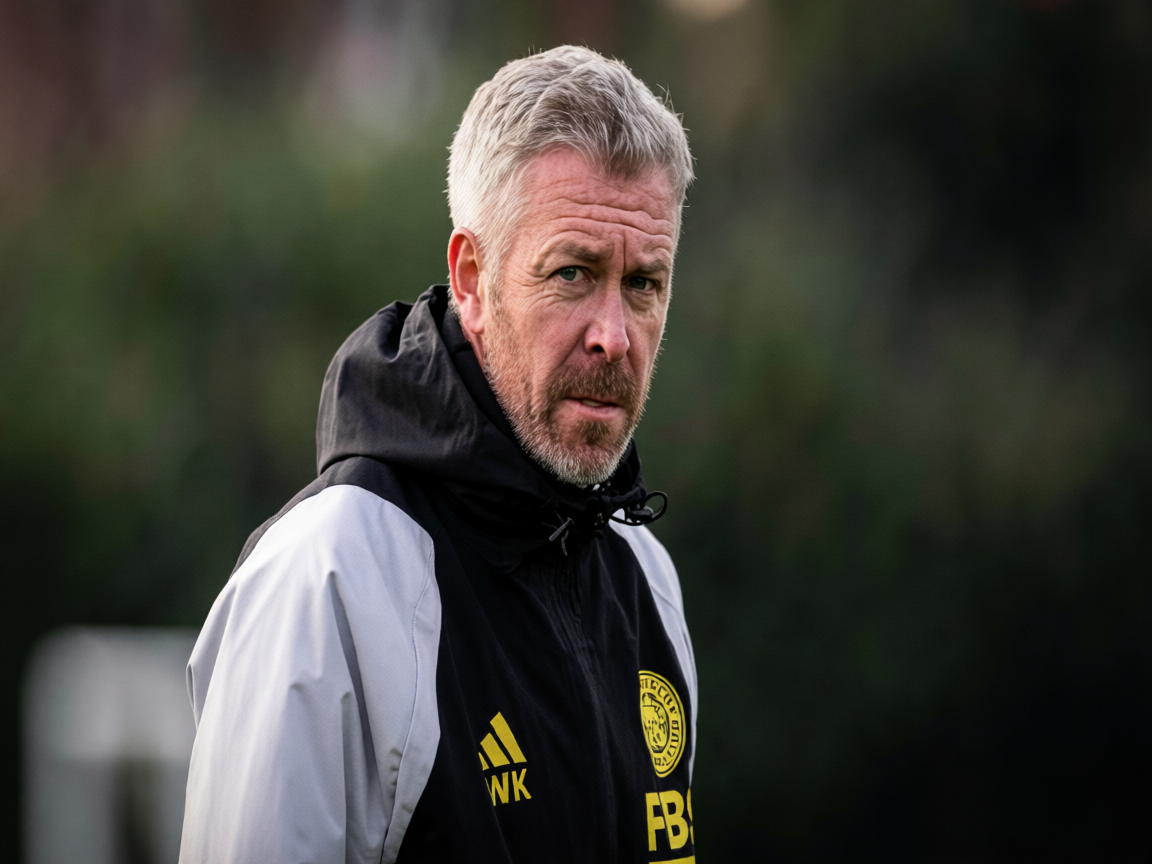
Willie Kirk's Resilient Return to WSL2 Leadership at Durham
Durham appoints Willie Kirk, marking his significant comeback two years after his high-profile departure from Leicester City.
The Set-Piece Whisperer Driving England's Tactical Evolution
Anthony Barry's fingerprints are all over England's system as the Three Lions prepare for Norway.
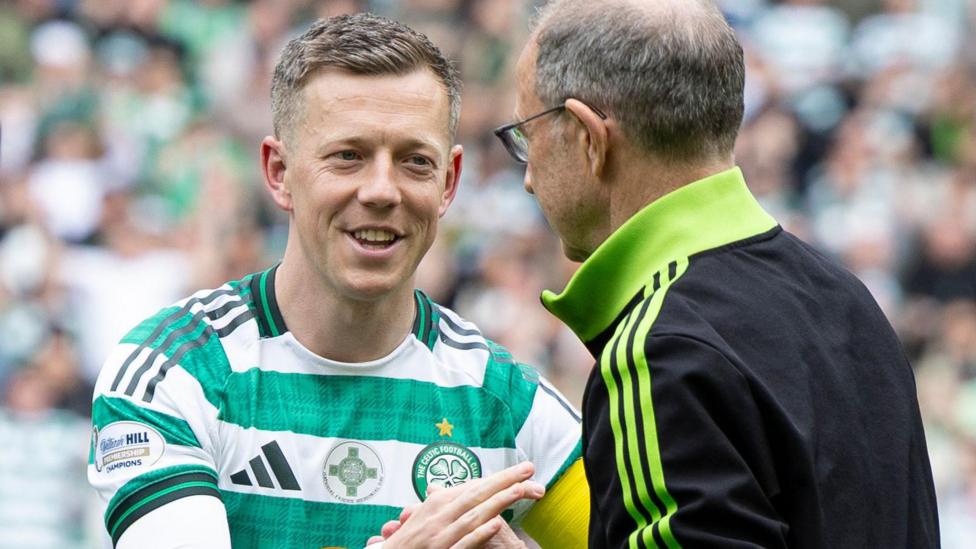
McGregor Doubles Down on O'Neill Project Amid Celtic Exit Noise
Celtic's captain pledges loyalty to Martin O'Neill's rebuild vision despite swirling transfer speculation about his Parkhead future.