The Clock Is Ticking: World Cup 2026 Squad Deadlines and the Art of Selection
With the expanded 48-team World Cup approaching, FIFA's squad registration deadlines will shape every manager's tactical blueprint.
The Shape Before the Storm
Every World Cup cycle produces a handful of moments that feel quietly decisive weeks before a ball is kicked. Squad deadline day is one of them. FIFA's registration windows for the 2026 World Cup, the first expanded 48-team tournament in history, are drawing into focus, and the dates by which national team coaches must submit their preliminary and final rosters will function as a tactical Rubicon. Once crossed, there is no going back.
The governing body's framework follows a familiar rhythm. Federations submit a broader preliminary squad list weeks before the tournament, typically around 35 players, before trimming to a final 26-man squad ahead of a hard deadline set approximately one week before the opening match. For the 2026 edition, hosted across the United States, Canada, and Mexico from June 11 to July 19, those cutoffs will fall in late May and early June respectively. Every coach in the 48-team field must work backward from those dates, engineering their preparation windows, warm-up friendlies, and injury assessments around an immovable administrative line.
What sounds bureaucratic is anything but. The squad deadline is where scouting meets paranoia, where tactical philosophy collides with medical uncertainty, and where the human element of sport produces its most agonising decisions.
Why 26 Changes Everything
FIFA's decision to expand squad sizes from the traditional 23 to 26 for the 2022 tournament in Qatar was initially framed as a pandemic-era concession. It has since become permanent policy. The shift might appear marginal on paper, but its tactical implications are profound.
Three extra places fundamentally alter the calculus of squad construction. A manager carrying 26 players can afford specialist depth in ways that were previously impossible. The third-choice goalkeeper no longer feels like a luxury. An extra full-back who covers both flanks becomes a viable inclusion rather than a sacrifice. A creative midfielder whose fitness is questionable can be included as a calculated risk because the squad can absorb one body that might not feature in every match.
The expanded 48-team format compounds this effect. With the group stage producing 12 groups of four, followed by a new round of 32, teams that progress deep into the tournament will play up to eight matches instead of the previous seven. The physical toll across a summer that stretches nearly 40 days demands broader rotation, which in turn demands deeper squads. The deadline becomes less about choosing your best XI and more about architecting a flexible roster capable of sustaining multiple tactical identities across a marathon campaign.
The Specialist vs. Versatility Debate
This is where coaching philosophies diverge sharply. Some managers view those final two or three spots as opportunities to carry specialists: a penalty-saving goalkeeper, a set-piece threat, a defensive midfielder who can lock down a game from the bench. Others lean into versatility, preferring players who can operate in multiple positions within a 4-3-3 or 3-4-2-1 system.
The deadline forces this debate into the open because once the list is submitted, the tactical blueprint is effectively fixed. A manager who omits a natural left-back in favour of a right-sided defender who can "do a job" on the left is making a statement about his system's tolerance for positional compromise. That decision ripples through every training session, every substitution pattern, every in-game adjustment from the group stage through the knockout rounds.
Historical Precedent: Deadline Day Drama
Squad selection has always carried narrative weight, but certain episodes illustrate just how combustible the process can be. Think back to the shock exclusions that dominated pre-tournament coverage in cycles past: players dropped despite strong qualifying campaigns, surprise inclusions that signalled a coach's intent to shift his tactical approach.
The 2010 World Cup saw multiple high-profile omissions that reshaped pre-tournament expectations. The 2014 cycle produced late fitness gambles that defined entire group-stage campaigns. Even in 2022, the hours before squad submission generated more column inches than most group-stage matches.
What makes 2026 different is the sheer scale of the operation. With 48 federations submitting squads instead of 32, the global volume of selection drama multiplies. Emerging football nations making their World Cup debut face the added pressure of naming squads for the first time on this stage, where every inclusion and exclusion will be scrutinised by a fanbase experiencing the novelty of tournament football.
The Injury Window Problem
The most tactically significant aspect of squad deadlines is what they do to injury management. Club seasons across Europe conclude in late May, and the gap between the end of domestic competition and the FIFA submission deadline is often perilously narrow.
A player who picks up a muscular injury in the final matchweek of the Premier League, La Liga, or Serie A faces a race against time that no amount of sports science can fully control. The coach must decide: do you name the player and risk carrying an inactive squad member, or do you exclude him and call up a replacement who has had minimal time to absorb the tactical framework?
This dilemma is particularly acute for nations whose squads are built around a narrow core of elite talent. A team whose creative engine operates through one specific number 10, for instance, cannot simply slot in an alternative without reconfiguring the entire attacking structure. The deadline becomes a forcing function, compressing weeks of tactical recalibration into days.
FIFA's regulations do permit limited replacements in cases of serious injury before the tournament begins, but the procedural requirements are stringent and the timeline is unforgiving. Coaches are effectively gambling on fitness assessments that may not be conclusive until after the deadline has passed.
The Expanded Calendar's Hidden Cost
The 48-team format means more matches, more travel across three host nations, and more recovery demands. Group-stage games will be spread across venues spanning thousands of miles, from Los Angeles to New York, from Mexico City to Toronto. The logistical burden on squads is unprecedented.
This reality makes the squad deadline a de facto resource allocation decision. How many minutes can your starting midfield realistically absorb across eight matches in 38 days? At what point does fatigue compromise the pressing intensity that defines your defensive system? The answers to these questions determine whether you carry an extra central midfielder or a fourth wide attacker.
Tactical Shift: How the Deadline Shapes the System
The most overlooked consequence of squad registration is how it constrains tactical flexibility once the tournament begins. A coach who submits a squad optimised for a 4-3-3 pressing system but finds himself trailing in a knockout match may need to shift to a 3-5-2 to overload the final third. Can his personnel support that shift?
This is the central tension. The deadline commits you to a roster, but the tournament demands adaptability. The best coaches have always used squad selection as a way to embed tactical optionality: choosing players whose skill sets allow them to function in multiple roles within the preferred system, while also providing the raw materials for a Plan B.
Consider how a manager might structure his 26 with this in mind. Carrying two strikers of different profiles, one a target forward and one a mobile runner, allows a shift from a possession-based 4-2-3-1 to a direct 4-4-2 without a substitution. Including wing-backs who can also operate as orthodox wingers opens the possibility of a hybrid system that morphs between a back four and a back three depending on the phase of play.
These are not afterthoughts. They are the architectural decisions that define a World Cup campaign, and they must all be resolved before the deadline closes.
What Managers Are Saying
"The squad is not just 26 names on a piece of paper. It is the tactical identity you carry into a tournament. Every selection tells you something about how a coach sees the game unfolding." — Tactical analyst perspective
National team coaches have, in recent months, spoken publicly about the challenges of the upcoming cycle. The consensus is that the expanded format requires a more scientific approach to squad construction, with data analytics playing an increasing role in identifying players whose physical profiles can sustain the tournament's demands.
Fitness tracking, load management data, and injury probability models are now standard tools in the pre-deadline assessment process. The days of selecting squads purely on form and reputation are numbered. Coaches who fail to integrate physical performance data into their decision-making risk submitting rosters that are tactically coherent but physically unsustainable.
The Road Ahead
As the June 2026 deadline approaches, expect the discourse to intensify. Preliminary squads will be named first, producing a wave of analysis about each coach's intended tactical direction. Then comes the cut, the most painful part of the process, where fringe players learn their fate and coaches lock in their final strategic hand.
For the 48 nations involved, the squad deadline is not a formality. It is the moment when a World Cup campaign moves from theory to practice, from aspiration to commitment. The managers who navigate it best will be the ones whose tactical vision is clear enough to survive the hardest decisions, and flexible enough to accommodate what the tournament throws at them.
The clock, as always, waits for no one.
Editorial Integrity
This is an original SportPulse article written by our editorial team. All content is independently researched, written, and reviewed by our writers and editors before publication. We do not publish copied, aggregated, or syndicated content.
SportPulse is committed to original sports journalism. Read our editorial policy or contact us with any questions.
More Like This
All football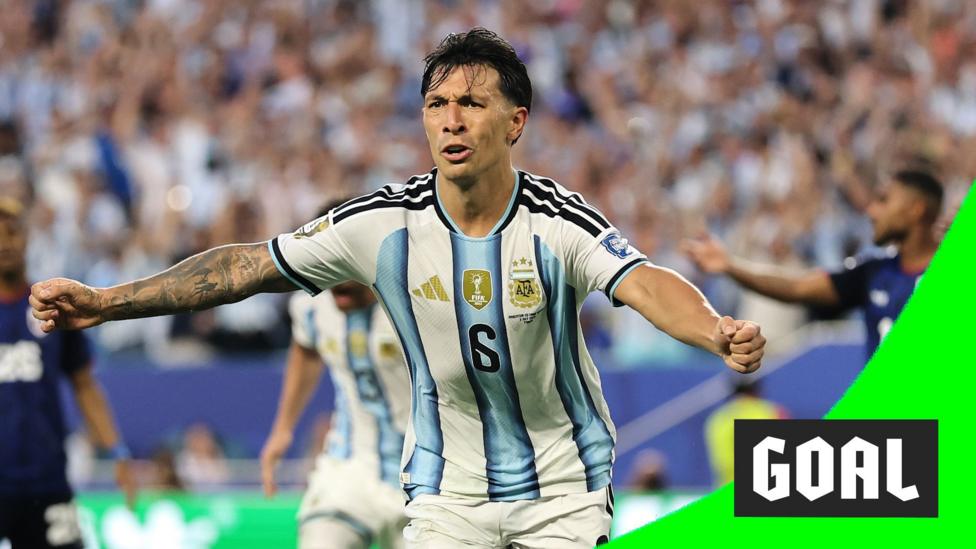
Martinez Breaks Cape Verde Hearts as Argentina Advance in World Cup Knockouts
Lisandro Martinez's decisive strike in the 2026 World Cup knockout stage sends Argentina past a resilient Cape Verde side and into the next round.

Passion Prevails as FIFA's Compromised World Cup Delivers Drama
Despite FIFA's corporate excess and mid-half advert breaks, raw football passion is stealing the show at the 2026 World Cup.

Why Mexico's Open Style Could Unlock Tuchel's England
Tuchel's pragmatic England could face a stylistic gift against Mexico, whose open transitions perfectly suit the German coach's tactical blueprint.