The World Cup Final Halftime Show Nobody Requested
FIFA isSuper Bowl-ifying the 2026 World Cup final with a star-studded halftime show that breaks football's own rules.
Imagine the scene. It is July 2026. The World Cup final is locked at 1-1. Two teams have spent 45 minutes trading tactical blows. The tension is unbearable. And then, instead of players retreating to dressing rooms for tactical adjustments, the pitch transforms into a concert venue.
IShowSpeed kicked off the closing ceremony in a blaze of colour, setting the stage for a spectacle that few in the football world had requested. Then, at halftime, Shakira emerged. Madonna performed. BTS and Justin Bieber joined them. Football's grandest occasion had been hijacked.
This is not satire. It happened.
A Spectacle Forged in Controversy
The 2026 World Cup final halftime show came with serious baggage. For starters, it shattered a foundational rule. The International Football Association Board mandates a 15-minute halftime interval for all professional matches. The Super Bowl-style extravaganza blew past that limit.
报道称,这项创新伴随着争议。它直接违反了国际足球协会董事会规定的15分钟中场休息强制令。这不是小小的规则调整,这是对足球管理宪章的公然违背。
FIFA has long presented its rulebook as sacred. Yet here, the governing body was willing to unilaterally discard its own regulations for the sake of television ratings and sponsor dollars. The hypocrisy is striking.
It smacks of America not so much embracing the World Cup as imposing itself upon it.
The cultural subtext was impossible to ignore. Football has its own rhythms, its own traditions. Forcing American entertainment structures onto the sport's pinnacle event felt less like celebration and more like colonization.
The Super Bowl Blueprint
The NFL's halftime show evolved from modest marching bands into global pop culture events. That growth happened organically over decades. Super Bowl Sunday became an entertainment spectacle because America's sporting culture demanded it.
Football never asked for this.
Fans of the beautiful game have always understood that the sport sells itself. The World Cup final draws over 1.5 billion viewers worldwide. It did not need Shakira gyrating at midfield to capture attention. The match itself is the draw.
But FIFA president Gianni Infantino has long eyed the NFL's commercial success with naked envy. The 2026 tournament, co-hosted by the United States, Canada, and Mexico, provided the perfect Trojan horse.
Behind the Deal: Following the Money
Strip away the spectacle and the financial architecture becomes clear.
- Extended halftime creates additional commercial inventory worth an estimated $50-75 million in sponsor placements
- Global pop stars attract demographics that traditional football broadcasts miss, particularly casual American viewers
- Cross-platform integration allows FIFA to sell bundled sponsorship packages across both the match and the show
- Streaming partnerships benefit from extended engagement windows that boost ad revenue
This is not about enhancing the fan experience. It is about maximizing revenue extraction from a captive audience of billions.
The 2026 World Cup is the first to feature 48 teams and 104 matches. FIFA's commercial ambitions have scaled accordingly. The halftime show represents the logical endpoint of a tournament increasingly designed for broadcasters rather than supporters.
What Players and Managers Think
Here is what nobody seems to be asking: what do the athletes want?
Modern football is already a physical demand unlike anything in team sports. Players cover 10-12 kilometers per match, with high-intensity sprints increasing 40% over the past decade. Recovery between halves is not a luxury. It is a physiological necessity.
Tactical adjustments happen in that 15-minute window. Managers identify opposition weaknesses. Players receive treatment. Hamstrings get stretched. Minds get reset.
Extending halftime to accommodate a pop concert disrupts every element of that process. Muscles cool. Rhythms break. Injury risk potentially spikes. No manager in world football would willingly sacrifice competitive preparation for a musical interlude.
Players are not props. The World Cup final is the culmination of four years of sacrifice. Reducing athletes to background scenery for a halftime concert is an insult to their profession.
Yet FIFA did not meaningfully consult the FIFPRO players' union on this innovation. The organization that represents the actual participants was sidelined in favor of entertainment executives.
The Hydration Break Precedent
This is not the first time FIFA has bent football's traditions for commercial reasons. Hydration breaks, introduced ostensibly for player welfare, now serve as additional advertising windows. What began as medical necessity evolved into revenue opportunity.
The halftime show follows the same playbook. Start with a plausible justification. Expand the scope gradually. Normalize the commercial intrusion. By the time fans recognize what has happened, the spectacle is baked into the format permanently.
Even political interference has become normalized. The source references Donald Trump's ability to overturn refereeing decisions by phoning FIFA's president directly. The sport's governance has become so transactional that powerful political figures can influence on-field outcomes.
The halftime show fits this pattern. It normalizes the idea that the World Cup final is not purely a sporting event but a commercial platform where anything is for sale.
The Viewer Experience Problem
Television audiences may enjoy the performance. Stadium attendees will not.
Imagine paying $2,000-plus for a World Cup final ticket. You have traveled across continents. You are emotionally invested in the result. And for 25 minutes, you watch a concert you did not buy a ticket for while players disappear into tunnels.
The in-stadium experience during Super Bowl halftimes is notoriously underwhelming. Fans in the stands watch on stadium screens while the live performance happens meters away, obscured by staging and production equipment. The energy dies. The atmosphere flatlines.
Football stadiums are different. The atmosphere during a World Cup final is a living, breathing thing. Chants, tension, anticipation. All of that evaporated during a break designed primarily for television viewers.
Cultural Imperialism in Cleats
The deeper issue is one of cultural ownership.
Football belongs to the world. It is the planet's most popular sport because of its simplicity, accessibility, and universality. A ball and open space. That is all you need. The World Cup represents the pinnacle of that democratic spirit.
The Super Bowl halftime show represents something different. It is a distinctly American entertainment model built on excess, celebrity worship, and commercial maximalism. Importing that model into football's cathedral feels like a category error.
Shakira headlined the 2010 World Cup closing ceremony in South Africa. That was appropriate. A pre-match celebration honors the host nation's culture without disrupting the competition. A halftime show during the final itself crosses a different line entirely.
What Comes Next
The 2026 halftime show will likely be remembered as a commercial success. Viewership numbers were strong. Social media buzzed. FIFA will declare vindication.
But success measured in engagement metrics is not success measured in sporting integrity. Every tradition eroded in the name of entertainment weakens the sport's foundation.
The fear is precedent. If the halftime show succeeds commercially in 2026, it will not remain confined to the final. Quarterfinals will follow. Then group stage openers. The slow march toward football as variety show will be irreversible.
FIFA has long treated the World Cup as its commercial property rather than a sporting inheritance held in trust for the global game. The halftime show is the clearest expression yet of that philosophy. The players are the product. The match is the platform. The fans are the audience for something that is no longer purely football.
The 2026 World Cup final promised to be many things. A historic occasion. A North American showcase. A commercial bonanza.
What it may no longer be is purely a football match. And that loss, quiet and incremental, may matter more than any concert could ever compensate for.
Updated: 2026-07-19 — Updated with confirmed details of IShowSpeed opening the closing ceremony and the halftime show lineup of Shakira, BTS, Madonna, and Justin Bieber.
Editorial Integrity
This is an original SportPulse article written by our editorial team. All content is independently researched, written, and reviewed by our writers and editors before publication. We do not publish copied, aggregated, or syndicated content.
SportPulse is committed to original sports journalism. Read our editorial policy or contact us with any questions.
More Like This
All football
Forest Green Rovers Axe Women's Team as Progressive Club Goes Backward
The eco-conscious club sacrificed an unbeaten women's side to rescue its struggling men's team from non-league oblivion.
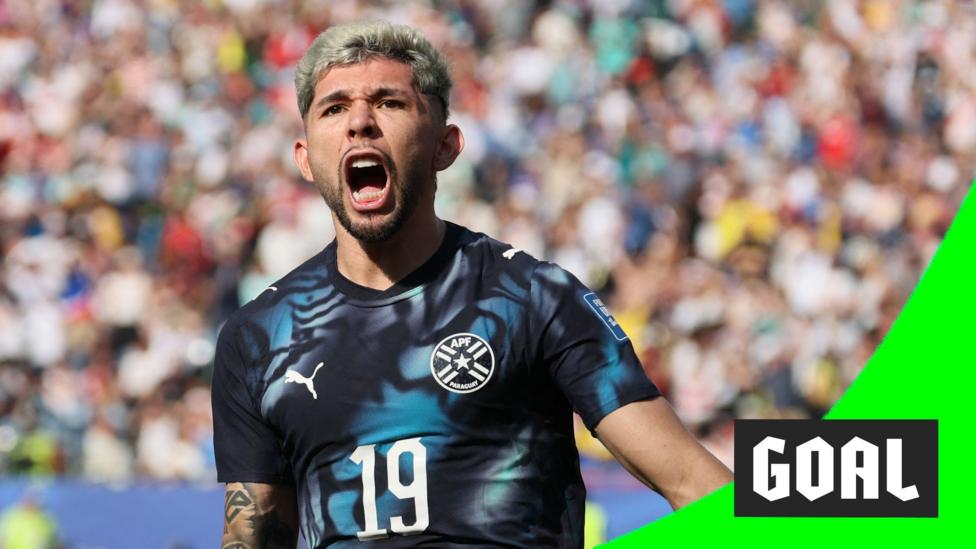
Enciso Stuns Germany as Paraguay Grab Shock Round-of-32 Lead
Julio Enciso's strike sends shockwaves through the tournament as underdog Paraguay lead mighty Germany in a knockout thriller.
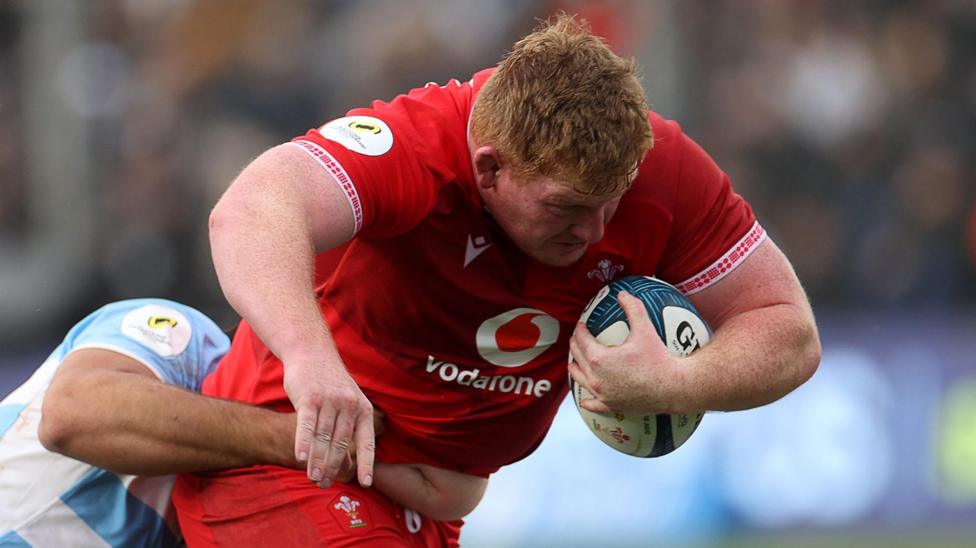
Carre's Rare Honesty Exposes a Wales Side Running Out of Road
Rhys Carre's blunt admission that Wales stepped backward against Argentina reveals a team grappling with uncomfortable truths.