The World Cup Final Was a Global Cosplay, and That's Fine
The most consequential fixture in international sport has become a grand carnival of temporary identities, and that's a beautiful thing.
It is World Cup final day. So, pick a side. Do it now. Do not overthink it. If you happen to be part of the 98.9% of the human race that is neither Spanish nor Argentinian, just make something up. Nobody needs to see your work.
Maybe you like the shade of red on the Spain kit. Maybe you have always admired Lionel Messi. Maybe you are still hurting about the Falklands, or Diego Maradona, or a dodgy empanada you ate on your gap year in Cusco. Maybe you disagree with the Pedro Sánchez government’s stance on Palestine and Israel. The beauty of the occasion is that it demands zero consistency.
Only two rules apply. Be partisan. And be quick about it.
The modern World Cup final is the ultimate exercise in fluid allegiance. It is a tournament that once served as a playground for nationalism, yet now demonstrates how spectacularly flimsy that allegiance can be.
The Stadium of Colliding Identities
The scene at the MetLife Stadium on Sunday night captured this perfectly. It was a melting pot of colliding incongruities and temporary identities.
The former heavyweight boxing champion Mike Tyson was wearing an Argentina shirt. The comedian Trevor Noah wore a Spain shirt.
Both men are American cultural icons. Neither has a genuine ancestral claim to the footballing fate of Buenos Aires or Madrid. Yet there they were, draped in the colors of nations they will not visit this summer, investing emotional currency into a game they will likely forget by Tuesday.
Ticket sales data suggests that an overwhelming proportion of the crowd inside the stadium was American. The most consequential fixture in international sport was, as it turned out, little more than a grand cosplay for the New Jersey leisure market.
And honestly? That is not a tragedy. It is the natural evolution of a global game.
The Death of Strict Nationalism
For decades, the World Cup was sold to us as the ultimate expression of tribal nationalism. It was blood and soil,(flags and anthems). It was a chance for nations to settle geopolitical scores through a ball and a net. The tournament was a proxy war for identity.
But look closer at the modern edition. You see Kazakhs cheering for Uzbeks. You see Bengalis going wild for Argentina. The borders blur, and the colors mix.
This tournament was once a playground for nationalism. Now it shows how flimsy that allegiance is.
The modern fan does not need a passport to justify their passion. Football has transcended the nation-state. The club game globalized the sport decades ago, and now the international game is just catching up.
We are watching the death of strict nationalism in football, and it is being replaced by a messy hope. A hope that you can be whoever you want for ninety minutes.
The Economics of the Neutral Fan
This shifting identity is not just a cultural phenomenon. It is a commercial one. The World Cup needs the casual fan, and the casual fan needs a side to cheer for.
The American Market Embraces the Game
The United States has long been the great white whale of global football. A market of over 330 million people with disposable income and a growing appetite for the sport. FIFA knows this. That is why the tournament is here.
The American fan does not have a century of footballing tradition to draw upon. They do not have a grandfather who watched Pelé in 1970. They have Messi on Apple TV and a jersey they bought online.
And that is enough.
- $14.5 billion: Estimated economic impact of the tournament for North America
- 5.4 million: Attendance figure projected across the tournament
- Over 50%: Proportion of final tickets sold to American residents
The economics demand accessibility. If the World Cup final were restricted to Spanish and Argentinian citizens, the stadium would be half-empty. The television ratings would tank. The sponsors would revolt.
The messy, fluid identity of the modern fan is the financial engine of the global game.
A Carnival of Fluid Allegiance
Let us stop pretending that this is a new phenomenon. We have all done it. We have all adopted a team for a day. We have all felt the rush of a last-minute winner for a nation we could not point to on a map.
The World Cup final is the pinnacle of this. It is a global carnival where everyone is invited, and everyone gets to choose their character for the night.
Mike Tyson chose Argentina. Trevor Noah chose Spain. Millions of Americans chose whichever team felt right in the moment. Next week, they will return to their daily lives, their temporary allegiances fading like a sunburn.
But for one night, they were part of something. And that is the point.
Football is no longer a game of nations. It is a game of moments. And in those moments, we are all just fans, picking a side and hoping for a story to tell.
The World Cup final did not need genuine allegiance to be spectacular. It just needed us to care, even if only for a moment.
Editorial Integrity
This is an original SportPulse article written by our editorial team. All content is independently researched, written, and reviewed by our writers and editors before publication. We do not publish copied, aggregated, or syndicated content.
SportPulse is committed to original sports journalism. Read our editorial policy or contact us with any questions.
More Like This
All football
Bartel Set for Juventus Switch as Chelsea Reshapes Midfield
Chelsea midfielder Julia Bartel is closing in on a summer move to Juventus, reshaping two squads in one stroke.
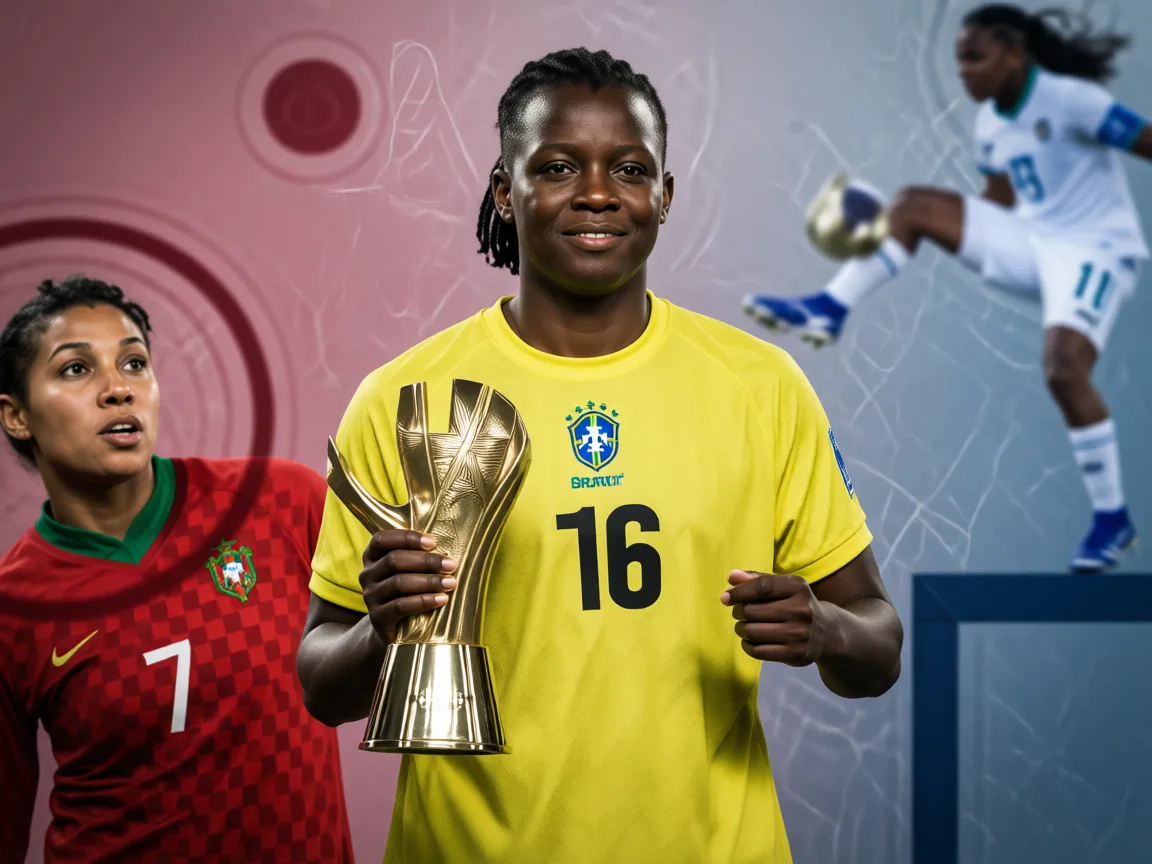
Wafcon Returns to Morocco as Nigeria Hunts Title Number Eleven
Thirty-four matches across three weeks in North Africa, with Africa's most decorated women's side chasing history and smaller nations chasing credibility.

Kane Recalls Surreal Golf Round With President Trump
England captain Harry Kane opens up about an unlikely golf outing with Donald Trump, revealing the bizarre intersection of football and politics.