The World Cup Guessing Game Keeping Football Obsessives Hooked
Daily World Cup trivia challenges are the latest addiction for football fans who live and breathe the tournament.
Addicted to the Guess
There's a particular kind of madness reserved for the football fan who can identify a 1994 World Cup squad player from three clues and a silhouette. Every morning, thousands of them open a browser tab, squint at a pixelated image or a set of cryptic hints, and start typing names into a blank field. The goal is simple: guess today's World Cup star in as few attempts as possible. The reality is anything but.
The "Who Am I?" style guessing game has become a quiet daily ritual across football social media. No transfer saga. No VAR controversy. Just a name, a career, a legacy distilled into a puzzle. And for a certain breed of supporter, it is absolutely consuming.
Why It Works
The format borrows heavily from the Wordle explosion of 2022, when a simple five-letter grid turned the entire internet into a word-guessing collective overnight. Football adapted the concept fast. Games like Footle, Who Are Ya?, and the World Cup-specific iterations carved out their own niche by swapping vocabulary for positional knowledge, career trajectories, and tournament history.
The hook is elegant. You are given a silhouette, a nationality clue, or a set of category hints — clubs played for, tournament appearances, shirt number. Each wrong guess narrows the field. The tension escalates with every failed attempt. Was the player a European or South American? Did they play in 2010 or 1998? The dopamine hit when you finally nail the answer is disproportionate to the simplicity of the mechanic.
What separates World Cup versions from generic football trivia is the tournament lens. Every answer exists within the compressed, high-stakes universe of a single competition. A player who scored one goal in a group stage in 2006 becomes the subject of a puzzle that forces you to recall not just the name, but the context. The kit. The opponent. The celebration.
The Nostalgia Engine
World Cup guessing games thrive because the tournament itself is a memory palace. Ask any football fan to name their earliest World Cup memory and watch their eyes drift. Zinedine Zidane's headbutt in 2006. Dennis Bergkamp's turn against Argentina in 1998. Andres Iniesta's extra-time winner in 2010. These moments are encoded differently from league football. They arrive once every four years, wrapped in national anthems and painted faces and impossible pressure.
The guessing game taps directly into that archive. When a silhouette appears on screen and you cannot place the face, it gnaws at you. Not because the stakes are high, but because you feel like you should know. You watched that tournament. You remember that goal. The name is right there, at the edge of recall, and the game dares you to reach for it.
This is the secret engine of the format: it weaponizes partial knowledge. You remember the Netherlands squad from 2014, but not every player. You remember Colombia's run, but the left-back's name escapes you. The game fills the gaps by turning half-memories into a challenge.
More Than a Time-Killer
There is a competitive layer that elevates the guessing game beyond casual distraction. Players share scores on social media with the same coded pride that Wordle users once displayed — a grid of green and yellow squares that told the world they solved it in three tries, not six.
Football Twitter, for all its toxicity, rallies around these moments with surprising warmth. A shared struggle. A collective groan when the answer is revealed and everyone realizes they forgot that guy played in that World Cup. The comments section becomes a seminar. "How did you not get that? He scored against Brazil!" The game generates conversation that is genuinely about football knowledge, not outrage cycles.
Communities have formed around daily streaks. Some users track their solve rates over weeks, building informal leaderboards. Others specialize — South American World Cup players are their domain, or obscure Asian tournament squads from the early 2000s. The game rewards depth, and depth is something football fans accumulate involuntarily.
The Tournament Between Tournaments
Here is the uncomfortable truth about modern football: the calendar never stops. Premier League, Champions League, international windows, pre-season tours, transfer sagas that stretch from June to August. The sport is a content machine that runs at full speed for 11 months of the year.
But the World Cup exists outside that rhythm. It arrives with the weight of a four-year cycle, and when it ends, there is a void. A strange, post-tournament melancholy that no amount of league football can fill. The guessing game steps into that gap. It keeps the World Cup present, not as a future event to anticipate, but as a living archive to revisit.
For fans of nations that do not regularly qualify, these games serve a deeper function. A supporter of Jamaica or New Zealand or Bolivia might not have a Champions League campaign to follow, but they have a World Cup memory. A single tournament. A single run. A player who wore the shirt and represented something larger than club football ever could. The guessing game honors that.
The Knowledge Arms Race
What happens when the puzzles get harder? The designers of these games face a genuine editorial challenge. If the answer is too obvious — Lionel Messi, Cristiano Ronaldo, Neymar — the game collapses into a one-guess formality. If the answer is too obscure — a third-choice goalkeeper from a 2002 group-stage exit — frustration replaces engagement.
The sweet spot is the player you almost remember. The striker who scored twice in a group stage and then vanished. The midfielder who played every minute of a knockout run but never became a household name. These are the answers that make the game addictive, because they sit in the uncanny valley of recognition.
Designers reportedly rotate between eras, confederations, and levels of fame to keep the difficulty curve unpredictable. Monday might produce a World Cup winner from 2018. Wednesday might throw up a journeyman from a 1990 qualifying campaign. The variety forces players to maintain a broad mental database, not just a highlight reel of superstars.
What It Means
The World Cup guessing game is not going to change football. It will not shift transfer markets or influence tactics. But it reveals something important about the sport's cultural infrastructure: fans are archivists. They do not just watch matches. They absorb them, file them, and carry the residue of every tournament they have ever witnessed.
The game gives that accumulated knowledge a purpose. It transforms passive fandom into active recall, turning decades of viewing into a daily test of commitment. In a sport increasingly dominated by algorithms, streaming deals, and content calendars, there is something beautifully analog about a puzzle that asks one question: Do you remember?
For the obsessive who opens that tab every morning, the answer is always the same. Not yet. But give me one more guess.
Editorial Integrity
This is an original SportPulse article written by our editorial team. All content is independently researched, written, and reviewed by our writers and editors before publication. We do not publish copied, aggregated, or syndicated content.
SportPulse is committed to original sports journalism. Read our editorial policy or contact us with any questions.
More Like This
All long-reads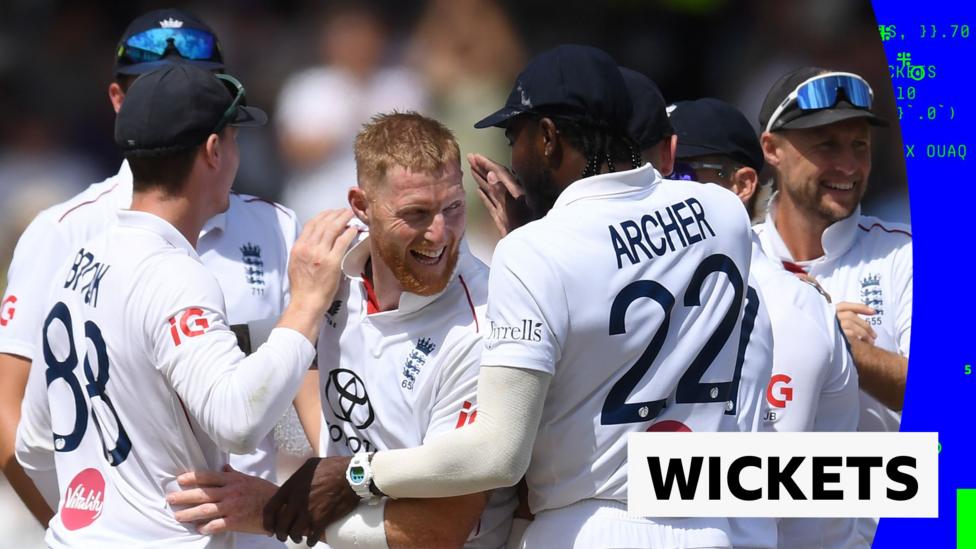
Ten Balls of Carnage: England Seize Trent Bridge
Three wickets in ten balls vaporized New Zealand's momentum, turning a commanding 204-4 into a precarious 206-7 on day four.
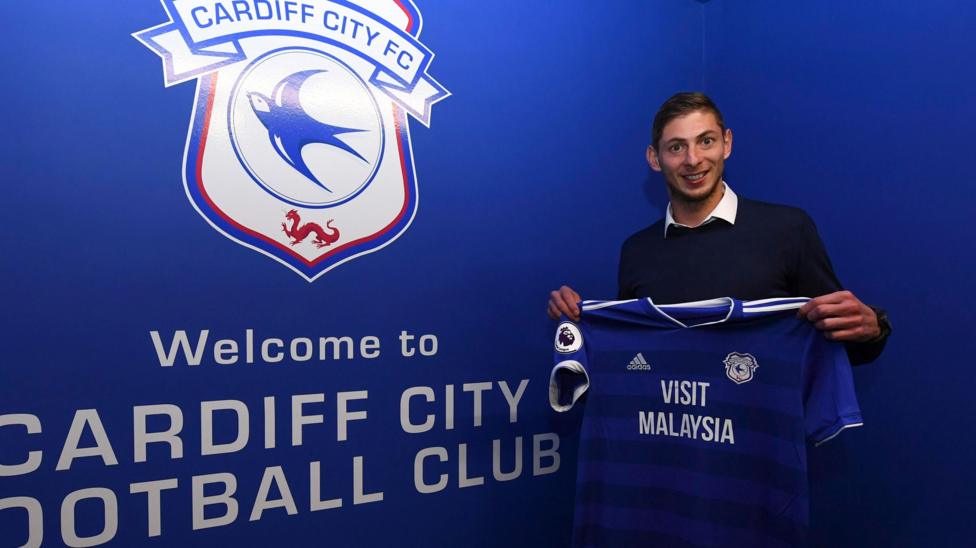
Cardiff's Sala Appeal: Commerce, Tragedy and Football's Unresolved Reckoning
Cardiff City will appeal a French court's dismissal of their £100m Sala compensation claim, prolonging a legal saga exposing football's transfer vulnerabilities.
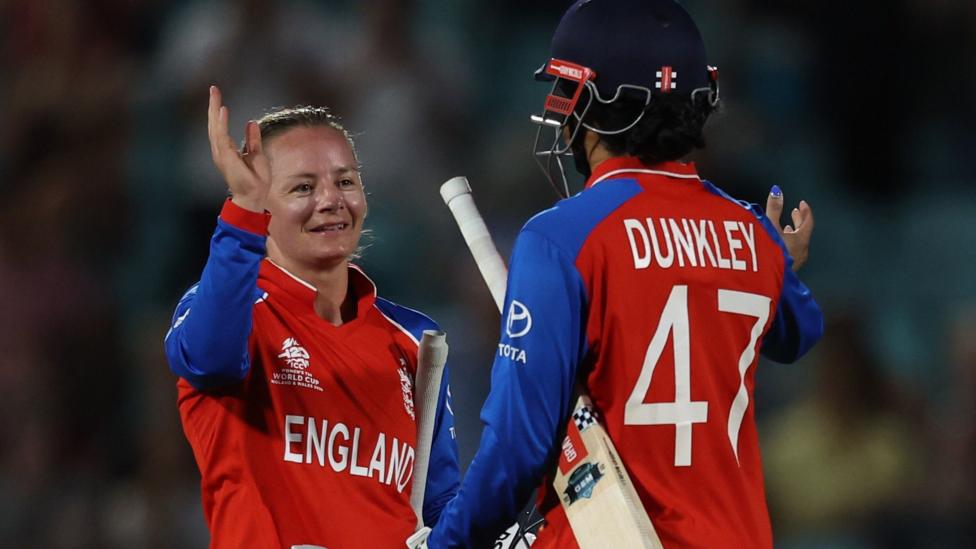
Hartley's Bold Verdict: England Playing Best Cricket in Years
Former spinner Alex Hartley backs England Women to reach the T20 World Cup final ahead of Thursday's semi-final showdown.