From Hero to Heartbreak: World Cup Penalties Rewrite History for Germany and Netherlands
Jonathan Tah channels Chris Waddle's infamous miss as two European giants fall to the cruelest lottery in football.
The Spot Kick That Echoed Through Decades
There is a particular cruelty to the penalty shootout. It strips away everything beautiful about football, every intricate passing move, every tactical masterstroke, and reduces the world's greatest sport to 12 yards of solitary torment. For Jonathan Tah, those 12 yards became a prison sentence.
The German defender stepped up with the weight of a nation on his shoulders. What happened next sent shockwaves through the tournament and immediately drew comparisons to one of the most infamous moments in World Cup history. Tah's penalty sailed over the bar, a carbon copy of Chris Waddle's agonizing miss in the 1990 World Cup semifinal against Germany. The irony was not lost on anyone.
"You train for these moments a thousand times. You visualize the net bulging. And then the ball just... doesn't listen."
History, it turns out, has a vicious sense of humor. The nation that benefited from Waddle's miss 36 years ago now found itself on the receiving end of the same gut-wrenching trajectory. Football's poetry is rarely this cruel.
Germany's Tournament Identity Crisis
This was supposed to be different. Germany entered the knockout rounds with genuine belief, a squad that had shown resilience and tactical flexibility throughout the group stage. Tah himself had been one of the tournament's standout defenders, his composure and reading of the game earning plaudits from pundits across every continent.
But the knockout rounds are a different beast entirely. The margins shrink. The pressure amplifies. Every decision carries consequences that reverberate for years.
Germany's penalty exit raises uncomfortable questions about their tournament mentality. This is a nation that has historically prided itself on shootout mastery, having won four of their five World Cup penalty deciders before this tournament. The narrative of German efficiency from 12 yards, once considered gospel, now requires serious revision.
The Tactical Picture
What made this elimination particularly painful was the context. Germany had not been outplayed. They had competed, created chances, and shown the defensive organization that had been their calling card throughout the campaign. The match was tight, tense, and ultimately decided by the thinnest of margins.
Tah's miss was not the only failure, but it became the defining image. One miss. One moment. One ball spinning away from goal with terrifying finality.
Netherlands: A Familiar Wound Reopened
If Germany's penalty pain was surprising, the Netherlands' exit was historically devastating. The Dutch have never won a World Cup penalty shootout in their entire history. Let that sink in. A nation that has produced Cruyff, Van Basten, Gullit, and an endless parade of technically gifted footballers has never found the formula to survive from 12 yards.
The Netherlands' knockout exit via penalties is becoming as predictable as tulips blooming in spring. It happened in 1998 against Brazil. It happened in 2014 against Argentina. And now it has happened again.
"There's something psychological at play that goes beyond individual talent. The Dutch carry this weight into every shootout, and it crushes them every single time."
The pattern is undeniable. The Netherlands produce world-class attackers, midfield maestros, and defensive geniuses. But when the shootout arrives, something breaks. The confidence evaporates. The technique deserts them. The history becomes a self-fulfilling prophecy.
Transfer Intel: Casemiro's Redemption Arc
While European giants suffered penalty heartbreak, one Brazilian veteran was writing a very different story. Casemiro, the former Real Madrid anchor now plying his trade in the Premier League, has been having what the internet would call a "brat summer."
The 33-year-old has been everywhere in this tournament, marshaling Brazil's midfield with the kind of authority that made him indispensable at the Bernabéu for nearly a decade. His reading of the game, his ability to break up play and transition Brazil from defense to attack, has been world-class.
Casemiro's form has been a reminder of his extraordinary quality. At Manchester United, questions had been asked about his legs, his ability to cope with the Premier League's relentless pace. But on the international stage, surrounded by the technical brilliance of Brazilian football, Casemiro has looked rejuvenated.
By the Numbers
- 87% pass completion rate throughout the tournament
- 4.2 interceptions per match, the highest among midfielders in the knockout rounds
- Zero yellow cards despite his combative playing style
- Named in three consecutive Team of the Week selections
His tournament has not just been about defensive solidity. Casemiro has been instrumental in Brazil's buildup play, his range of passing unlocking defenses that had previously looked impenetrable. The player many wrote off after his struggles in England is delivering on the biggest stage imaginable.
The Psychology of the Penalty Shootout
The exits of Germany and Netherlands have reignited the eternal debate: can you actually prepare for penalty shootouts, or is it fundamentally a lottery?
The evidence suggests it's more nuanced than either extreme. Research has shown that the team shooting first wins approximately 60% of shootouts across major tournaments. The psychological advantage of putting the pressure on the opponent is real and measurable.
But beyond the coin toss of who shoots first, there are patterns:
- Goalkeeper positioning has evolved dramatically, with keepers now studying opponents' tendencies in real-time
- Walk-up speed matters: players who take longer tend to miss more frequently
- Previous shootout experience offers no guarantee: some nations that excel historically suddenly crumble, and vice versa
Germany's and Netherlands' exits suggest that even meticulous preparation cannot overcome the psychological weight of history. Both nations had penalty specialists. Both had experienced keepers. Both had done everything "right" in training. And both fell short when it mattered most.
What This Means Going Forward
The tournament continues without two of European football's traditional powerhouses. Their absence changes the landscape significantly.
For Germany, this will trigger a period of introspection. The rebuild that began after their group stage exit in 2018 was supposed to produce results at this tournament. Instead, they face another quarterfinal exit, another what-if, another night where the penalty spot became a graveyard of dreams.
For the Netherlands, the narrative is even more painful. This was a squad that believed it could finally overcome their shootout demons. Instead, they reinforced them.
The Road Ahead
- The remaining knockout matches promise even higher stakes
- Casemiro and Brazil look increasingly dangerous as the tournament progresses
- The semifinal lineup could produce matchups we haven't seen in decades
- Goalkeeper coaching and penalty preparation will dominate tactical discussions
Meanwhile, Jonathan Tah will carry this moment forward. Like Chris Waddle before him, who once admitted he still thinks about that 1990 miss regularly, Tah's penalty will become part of football's collective memory. Not as a celebration, but as a reminder of how thin the line is between glory and heartbreak.
"In the end, the penalty shootout doesn't care about your history, your talent, or your preparation. It only cares about what happens in those seven seconds between the whistle and the kick."
The 2026 World Cup has already delivered extraordinary drama. Germany and Netherlands are gone, eliminated by the same cruel mechanism that has haunted football since shootouts were introduced. And somewhere, Chris Waddle might be watching, nodding knowingly, understanding exactly what Jonathan Tah is feeling right now.
Because in football, as in life, some wounds never fully heal. They just find new victims to remind us they still exist.
Editorial Integrity
This is an original SportPulse article written by our editorial team. All content is independently researched, written, and reviewed by our writers and editors before publication. We do not publish copied, aggregated, or syndicated content.
SportPulse is committed to original sports journalism. Read our editorial policy or contact us with any questions.
More Like This
All football
Newcastle's Summer of Near Misses and Deliberate Patience
Two targets slip away, but Newcastle are betting on desperation over desperation buying.
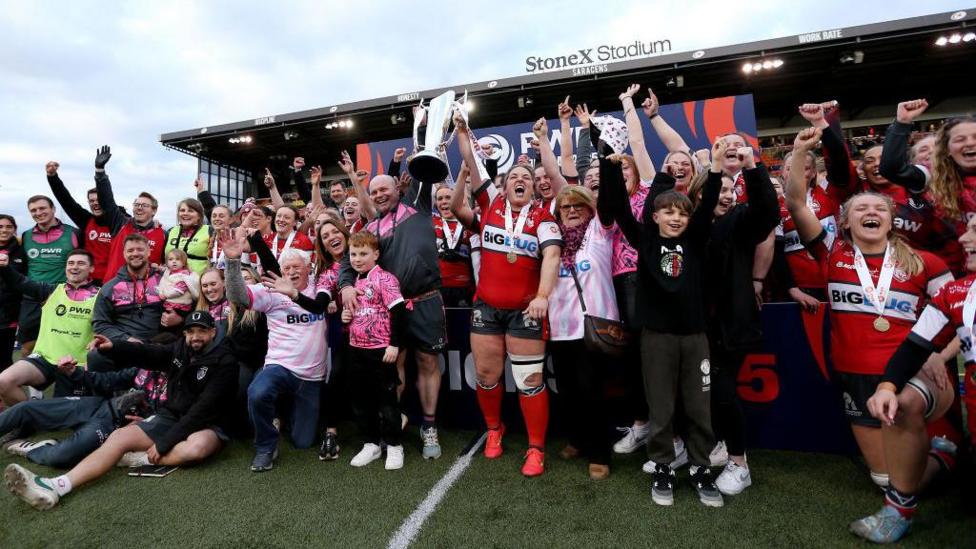
PWR's £3m Sponsorship Marks a Commercial Seismic Shift for Women's Rugby
Premiership Women's Rugby's first title deal is a watershed moment, signaling a serious commercial investment in the sport's future.
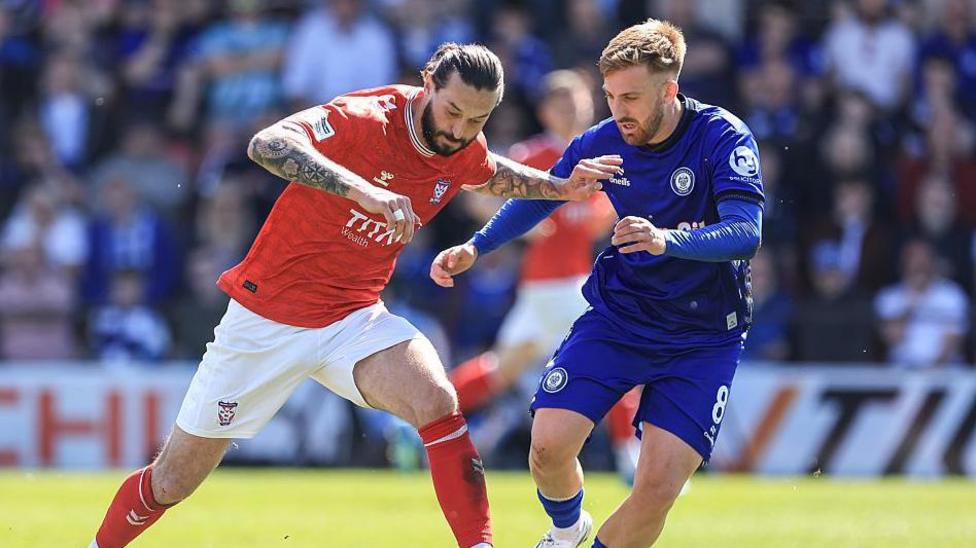
York City's EFL Return: A Decade of Exile Ends with Bristol Rovers Test
York City's decade-long EFL absence ends with a high-stakes opener against Bristol Rovers.