The World Cup Has Lost Its Escape. Politics Now Owns The Tournament
Once a four-year exercise in pure escapism, the World Cup is now inextricable from the political contexts consuming it.
A Tournament No Longer Pure
The World Cup used to offer a clean break from reality. Every four years, the tournament functioned as a global fantasy camp where geopolitical grievances were temporarily shelved for 90 minutes of manufactured chaos. That illusion is now thoroughly dead. The modern World Cup does not pause the political reality. It actively amplifies it.
Fans used to micro-dose politics through the prism of sport. You could care about a border dispute or a historical grievance strictly in the context of a group-stage draw. Now, the politics have engulfed the entire structure of the tournament itself. Who is hosting, who is participating, and who is boycotting are no longer peripheral questions. They are the primary narrative driving the global conversation.
The classic emotional markers of World Cups remain, but they arrive heavily filtered. Remembering Roger Milla dancing at the corner flag in 1990 brings warmth. Recalling Roberto Baggio breaking Nigerian hearts in 1994 carries nostalgia. Thinking about Zinedine Zidane head-butting Marco Materazzi in 2006 remains a visceral shock. Yet these moments feel distant from a current landscape where every match is weighed down by an unbearable political context. The tournament has evolved into something proportional to the world it reflects.
The 'Identity Maths' Of The Diaspora
For Black diaspora viewers, navigating the World Cup has always involved a complex but elegant system of allegiance. You might call this process identity maths. It is an unspoken but rigidly observed formula that determines who gets your support as the bracket narrows.
The logic starts simply. You back the African nations until they are eliminated. The expanded tournament format has enriched this phase. Teams like Cape Verde and the Democratic Republic of Congo provided fresh heroic narratives this time around. Their presence allowed the diaspora to extend the initial phase of pure continental pride deeper into the tournament than usual.
Once the African sides fall, the maths become tricky. You shift allegiance to Black diaspora teams from the Americas or the Caribbean. Following that, you adopt homelands based on residency or personal ties. Finally, you latch onto teams simply because you appreciate their national vibe or their domestic politics. This last tier is entirely built on projection.
Spain represents a fascinating case study in this psychological gymnastics. For some diaspora viewers, Spain carries an unproblematic European outlier aura. It avoids the direct, fresh animosity associated with nations like Norway. This perceived distance from the worst of European colonial baggage makes Spain an easier pill to swallow in the latter rounds.
Then comes France. France is an ex-colonial power, which normally triggers a hard rejection in the identity maths. But France fields a majority-Black team. This demographic reality overrides the historical context for many viewers. The players on the pitch dictate the political geometry of the support. The rules of identity maths are ruthless and inherently contradictory, but they provide a framework for survival in a month-long tournament
The End Of The Micro-Dose
The concept of micro-dosing politics has collapsed under the weight of modern global awareness. In the past, a controversial regime hosting a major event could rely on a compliant press and limited global connectivity to keep the focus on the pitch. Those days are gone. Every World Cup is now a globally scrutinized political event where the host nation's labor laws, human right
tures, and geopolitical alliances are dissected in real time across social media.
This hyper-awareness means fans can no longer detach. You cannot watch a match without contextualizing the infrastructure. You cannot celebrate a goal without acknowledging the human cost of the stadium it was scored in. The tournament demands a level of political engagement that exhausts the viewer. The escapism is poisoned by the reality.
The nostalgia that fuels our love for the World Cup is now actively weaponized. Organizers know fans will tune in regardless of the surrounding noise because the tournament represents a season of life. People measure their existence through these four-year cycles. Corporate and state actors exploit that emotional dependency, using the tournament as a soft-power vehicle to launder reputations. The fans are complicit hostages in this scheme.
When The Locker Room Echoes The Street
The political pressure does not stop at the turnstiles. It follows the teams into the tunnels and the locker rooms. After a hard-fought group stage match, the atmosphere inside the dressing room is never strictly about the result. It is heavy with the awareness of the external gaze.
Players sit at their lockers, scrolling through phones that connect them instantly to global crises and debates. A coach giving a tactical debrief competes with notifications about political unrest back home or international statements about the tournament's logistics. The sanctuary of the dressing room has been breached. The walls cannot keep the world out anymore.
What It Means
The World Cup has fundamentally changed. It is no longer a temporary escape from the political grind. It is a magnifying glass that burns the political landscape directly into the fan experience.
For the diaspora viewer, the identity maths will only get more complicated. The influx of political context strips away the ability to simply enjoy a team for its aesthetic or its vibe. Every adopted nation comes with a disclaimer attached.
The magic of Milla, Baggio, and Zidane was rooted in a tournament that felt separate from the real world. Future World Cups will not offer that luxury. The tournament is now the real world, with all its ugliness and tension broadcast live across the globe for a month every four years.
Editorial Integrity
This is an original SportPulse article written by our editorial team. All content is independently researched, written, and reviewed by our writers and editors before publication. We do not publish copied, aggregated, or syndicated content.
SportPulse is committed to original sports journalism. Read our editorial policy or contact us with any questions.
More Like This
All long-reads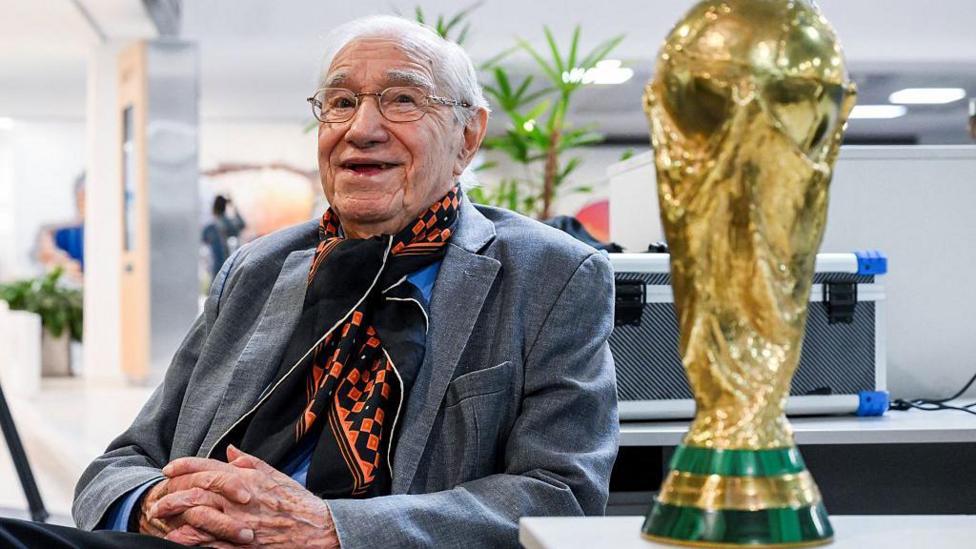
The 91-Year-Old Witness: Macaya Marquez and His 18th World Cup
From Pelé at 17 to Messi's coronation, Enrique Macaya Marquez has documented every World Cup since 1958.
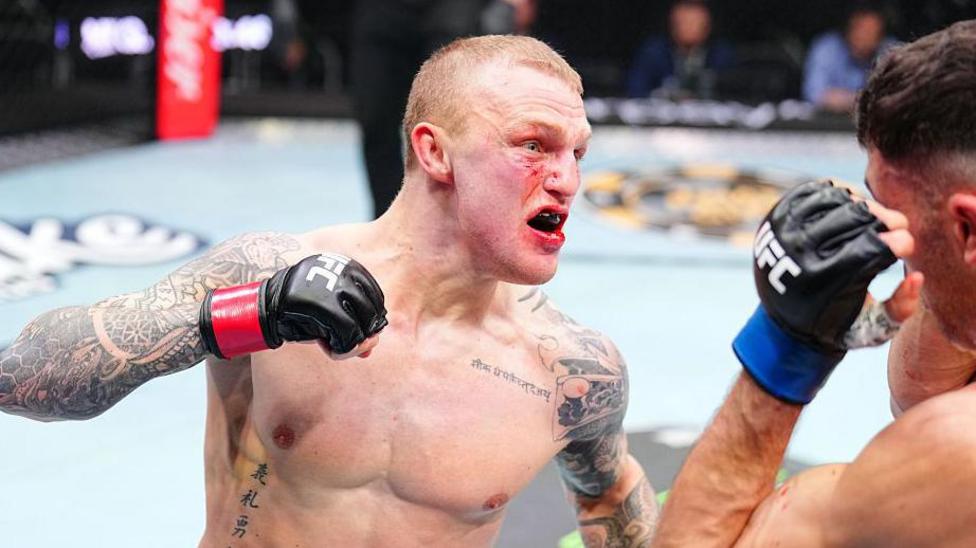
Mason Jones Draws MarQuel Mederos at UFC Sacramento — A Career-Defining Crossroads
Welsh lightweight Mason Jones faces MarQuel Mederos in Sacramento with his UFC trajectory hanging in the balance.
Agnew Slams England Cricket's Toxic Drinking Culture
Jonathan Agnew demands accountability after the Stokes-Atkinson nightclub incident, exposing England cricket's deeper alcohol problem.