Striker Duels and Qatar Revenge: Quarter-Final Fire Awaits
Four World Cup quarter-finals promise striker duels, tactical warfare, and redemption arcs forged in the heat of Qatar.
The round of eight. The point in a World Cup where pretenders are separated from contenders and reputations are cemented in stone.
Thursday marks the gateway. Four quarter-finals, eight teams, and one hundred and fifty-six years of collective disappointment or glory hanging in the balance. The group stages are a marathon. The knockouts are a sprint. But the quarter-finals are where the real World Cup begins.
Every story needs its hero, its villain, and its subplot. This tournament has delivered all three in abundance. Now the stakes reach their zenith.
The Striker Duel That Defines a Generation
Forget the tactical battles for a moment. Forget the xG models and the pressing triggers. This quarter-final is about something far more primal. Two of the most lethal finishers on the planet, going toe-to-toe with a semi-final berth on the line.
One arrives with the weight of an entire nation on his shoulders, carrying his team through the group stages with moments of individual brilliance that defy tactical logic.
The other operates with cold, calculating efficiency, a机器 in the penalty box who turns half-chances into goals with terrifying consistency.
The narrative writes itself.
The Numbers Behind the Duel
- 7 goals between them in the tournament so far
- A combined shot conversion rate of 28.4% across all competitions this season
- Both averaging over 0.8 goals per 90 minutes in Qatar
"When you face a striker in this kind of form, you don't sleep the night before. You just hope your defenders can contain what is coming."
Their managers will try to impose structure, shape, and system. But when the whistle blows, it comes down to moments. And these two have made moments their currency.
One will blink first. The other advances.
Qatar's Ghost and the Revenge Narrative
Some wounds never fully heal. They just scab over, waiting for the right moment to be ripped open again.
For one of these nations, that moment is Thursday. The scars of Qatar have festered for four long years. The humiliating exit. The questions. The soul-searching. The federation overhaul.
Four years is an eternity in international football. Entire tactical philosophies are born and die in that span. But the memory of walking off that pitch in Qatar, heads bowed, cameras clicking, that stays.
The Debt That Demands Payment
- Zero goals in their final group-stage exit four years ago
- 3 managers appointed since that night of humiliation
- A complete tactical reset, shifting from reactive possession to aggressive transitional football
"We don't talk about what happened. Everyone knows. The players feel it every time they pull on the shirt. Thursday is about making things right."
Their opponent on Thursday has no interest in their redemption arc. They have their own story to write.
But redemption is a powerful motivator. The kind that turns decent teams into unstoppable forces for ninety minutes.
The Tactical Battleground
Beyond the storylines and the narratives, these quarter-finals represent a clash of footballing philosophies that will define the next era of the sport.
On one side: the pressing purists. Teams that defend with their centre-backs on the halfway line, squeeze the pitch, and hunt in packs. Win the ball high, transition in four seconds, punish.
On the other: the pragmatists. Teams that sit deep, absorb pressure, and trust their attacking talent to produce magic in isolated moments.
Behind the Deal: The Stakes Beyond the Pitch
Beyond the sporting narrative, these quarter-finals carry enormous financial weight.
The Commercial Reality
- $2.5 million in prize money difference between a quarter-final and semi-final exit
- Federation funding increases by 38% for teams reaching the final four
- Sponsorship clauses triggering bonus payments worth up to $4 million per player for the winning squad
For the smaller federations, this is generational money. Money that rebuilds academies, funds coaching education, and transforms domestic infrastructure for decades.
For the giants, it is about protecting brand value. A quarter-final exit for a traditional powerhouse doesn't just hurt on the pitch. It hurts in boardrooms from Qatar to Manchester.
The Pressure Cooker
Quarter-finals are unique beasts. Group-stage defeats can be rationalized. Last-16 exits can be blamed on bad luck or a moment of madness.
But a quarter-final loss? That lands differently. A semi-final berth puts you among the final four teams on the planet. It guarantees two more matches on the grandest stage. It changes how the world remembers this generation of players.
For the managers, these ninety minutes decide their legacy. One tournament can define a coaching career. Just ask those who won the trophy. Now imagine being the coach who went out in the quarters.
The Weight of History
- 4 nations have never reached a World Cup semi-final
- 2 managers are in their first major international tournament
- 1 captain is playing his final World Cup, chasing a trophy that has eluded him across three previous tournaments
"In the quarter-finals, you don't play the opposition. You play history. You play the expectations of everyone who came before you and everyone watching at home."
The Unexpected Heroes
Every World Cup quarter-final needs its unexpected protagonist. The tactical substitution that changes everything. The defender who scores his first international goal at the perfect moment. The goalkeeper who becomes a brick wall when everything else collapses.
This tournament has already provided its share of unlikely heroes. Players who were squad rotation options for their clubs six weeks ago, now carrying the hopes of 50 million people on their shoulders.
Thursday will produce another.
The Fan's Perspective
For the supporters, this is the threshold. The point where dreaming becomes dangerous. Hope is a terrifying thing in football. It lifts you moments before it drops you.
The streets will be empty during these matches. Screens in pubs, living rooms, and public squares will hold entire nations hostage for ninety minutes. Every pass scrutinized. Every shot drawing gasps.
Win, and Thursday becomes the greatest night of your year. Lose, and it joins the pantheon of footballing heartbreaks you carry to your grave.
Thursday's Fire
The stage is set. The narratives are written. Now the protagonists take their marks.
Four epic encounters. Strikers chasing glory. Nations seeking redemption. Managers fighting for their legacy. And behind the curtain, financial impacts that ripple through federations for decades.
This is what the World Cup quarter-finals deliver. Not just football, but theater. Not just matches, but moments that define eras.
Thursday cannot come fast enough. The world is watching. And history is waiting to be rewritten.
The pretenders have been separated. The contenders remain.
By Friday morning, four teams will stand on the edge of immortality. Four teams will begin the long, painful journey home.
That is the cruelty of knockout football. That is the beauty.
Thursday, it all begins again.
Editorial Integrity
This is an original SportPulse article written by our editorial team. All content is independently researched, written, and reviewed by our writers and editors before publication. We do not publish copied, aggregated, or syndicated content.
SportPulse is committed to original sports journalism. Read our editorial policy or contact us with any questions.
More Like This
All football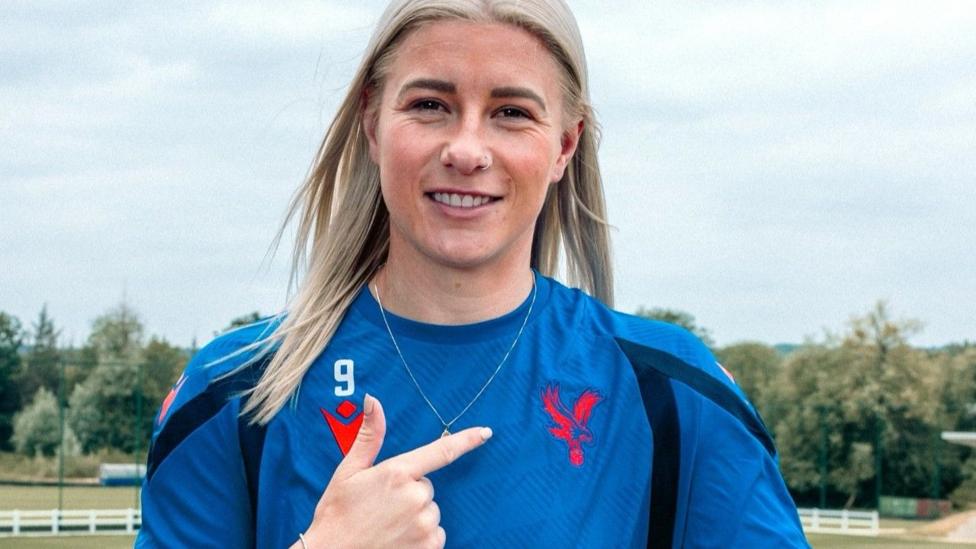
Palace Roll the Dice on England's Bethany
Crystal Palace land Bethany England on a free transfer, sending shockwaves through the WSL with their boldest signing yet.
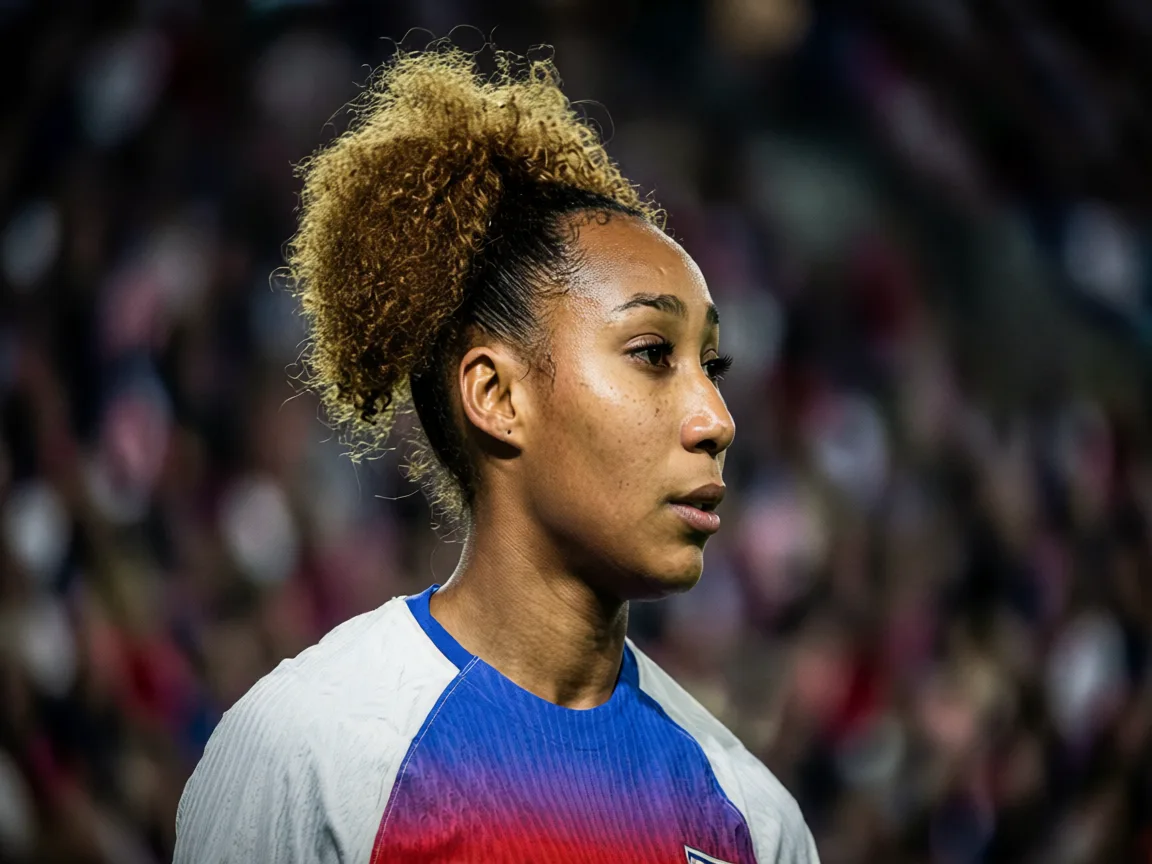
Palace Bet on Lloyd-Smith: WSL2's Sharpest Edge Arrives in South London
Crystal Palace hand the WSL2 top scorer a three-year deal, backing proven finishing over potential in a critical survival push.
World Cup Breakouts Are Transfer Market Gold, But the Premium Is Dangerous
A breakout World Cup inflates transfer value overnight. But clubs paying the tournament premium often gamble on context rather than substance.