The Spoiler Problem: Why Watching the World Cup Has Never Been Harder
In the age of push notifications and social media, following a World Cup match spoiler-free is the ultimate test of discipline.
The Impossible Mission of the Spoiler-Free Fan
Here is a confession every modern football supporter can relate to: you have missed a World Cup match live, and the first thing you do is perform a digital quarantine. Phone on airplane mode. Social media deleted from the home screen. Headphones in, eyes down, walking past any television that might be showing highlights. You are not avoiding danger. You are avoiding the thing you want most, and that is what makes it agonizing.
The promise of spoiler-free World Cup coverage is not new, but it has never mattered more. With fixtures spanning multiple time zones, kickoff times that collide with work commutes, school runs, and the general chaos of daily life, a staggering number of fans do not watch matches in real time. In the UK alone, BBC and ITV reported combined peak audiences exceeding 20 million for marquee group-stage matches during the 2022 tournament in Qatar, yet millions more consumed the action on delay. The question is no longer whether you can avoid the score. The question is whether the entire ecosystem of modern media will let you.
Why the Problem Is Getting Worse, Not Better
The architecture of the internet is fundamentally hostile to the delayed viewer. Algorithms reward immediacy. Push notifications exist to break your concentration. A single glance at your phone's lock screen can deliver the entire narrative arc of a match in seven words and a number. Goal alerts from every major sports app, WhatsApp group messages from friends who assumed you were watching, and the reflexive scroll through X (formerly Twitter) during a coffee break have turned spoiler avoidance into a discipline closer to espionage than leisure.
Consider the numbers. According to Ofcom's media consumption report, over 78% of UK adults aged 18-34 use a second screen while watching live sport, and a significant portion of those interactions involve social media where results are shared in real time. Even those watching live are immersed in a cascade of real-time information. For the delayed viewer, the landscape is a minefield.
Broadcasters have tried to respond. BBC iPlayer and ITVX both offer on-demand replays, and some digital platforms have experimented with "spoiler-free" modes that strip scores and thumbnails from their interfaces. Google has, at times, offered the option to hide sports scores from search results and Discover feeds. But these are band-aids on a systemic issue. The moment a result goes viral, the information is everywhere, embedded in contexts that no filter can fully catch. A meme. A reaction GIF. A cryptic tweet that says nothing explicit but communicates everything through its timing.
The Time Zone Trap
The 2022 Qatar World Cup was a relative gift for European audiences, with matches kicking off between 10:00 and 22:00 GMT. It was the most accessible tournament for UK viewers in decades. But that was the exception, not the rule.
Look ahead and the problem sharpens. The 2026 World Cup in the United States, Canada, and Mexico will feature matches with kickoff times ranging from 17:00 to 03:00 BST. Group-stage games in the afternoon US Eastern slot translate to late evening in the UK, which is manageable. But the marquee fixtures, the semi-finals and final, will likely kick off at 20:00 ET or later, landing squarely after midnight for British viewers. The 2030 tournament, potentially spanning Spain, Portugal, and Morocco, offers more favorable geography, but even then, evening kickoffs in Casablanca mean 21:00 or 22:00 BST.
Every World Cup outside Europe forces British fans into the same calculation: stay up, wake up early, or find a way to watch later without the result leaking. The spoiler-free promise is an attempt to solve the last of those three options, and it is the one most people default to.
The Psychology of Avoidance
There is something oddly primal about the desire to experience a football match without knowing the outcome. The entire emotional architecture of sport depends on uncertainty. A last-minute equalizer is meaningless if you already know it is coming. The tension of a penalty shootout evaporates if you have seen the celebration clips. Neuroscientific research on narrative engagement suggests that surprise triggers a dopamine response roughly 40% stronger than expected outcomes, which means the spoiled viewer is not just intellectually disappointed. They are chemically shortchanged.
This is why fans go to such extraordinary lengths. It is why someone will spend an entire afternoon with their phone face-down on a desk, refusing to check a single notification. It is why group chats go silent, why colleagues learn to read the room before mentioning a result, and why the phrase "don't tell me" has become the three most common words spoken in British offices during a major tournament.
The spoiler-free initiative acknowledges this reality. It is not just a content feature. It is a recognition that the modern football audience is fragmented across time zones, schedules, and viewing habits, and that preserving the emotional integrity of a match experience is worth designing for.
What Broadcasters Get Right and Where They Fail
Credit where it is due. The BBC's iPlayer has improved its spoiler-free interface considerably over the past two tournament cycles. Full-match replays are available almost immediately after the final whistle, and the platform has experimented with removing score overlays and result-based thumbnails. ITVX has followed suit with varying degrees of success.
But the failures are instructive. Social media accounts run by the same broadcasters routinely post results within seconds of the final whistle. The BBC Sport app sends push notifications for goals, often before a delayed viewer has even pressed play. There is a fundamental contradiction at the heart of the current approach: the same organisation that offers you a spoiler-free replay will also shove the score in your face via three other channels.
The tech platforms are no better. Google's score-hiding features are inconsistent across devices and operating systems. Apple News curates sports stories based on trending volume, which means a World Cup shock result will surface regardless of your personal settings. Even Spotify has gotten in on the chaos, with podcast thumbnails for post-match shows sometimes revealing scores through titles alone.
The Social Dimension
No algorithm can solve the human problem. The most common source of spoilers is not an app or a platform. It is another person. A friend who texts "can you believe that result?!" without thinking. A family member who walks into the room and says "oh, you haven't seen it yet?" followed by a facial expression that tells you everything.
The social contract around spoilers is fragile and largely unspoken. Different people have different thresholds. Some consider a 24-hour window reasonable before openly discussing results. Others believe that once a match is over, the obligation to stay quiet expires immediately. There is no universal standard, and the tension between these two positions plays out in living rooms and group chats every single tournament day.
What This Tells Us About Modern Football Consumption
The spoiler-free viewing trend is a symptom of something larger. Football is no longer a shared, synchronous experience for the majority of fans. The 90-minute live broadcast used to be the default. Now it is one option among many. Highlights packages, extended replays, tactical breakdowns, fan reaction videos, and social media threads have fragmented the match experience into multiple consumption layers.
This fragmentation has consequences. The communal, collective joy of watching a goal live with millions of others is being diluted. When England score a stoppage-time winner, the emotional peak should be universal and simultaneous. Instead, it is staggered across hours as fans watch at different times, each experiencing the moment alone in their own delayed bubble.
There is something melancholy about that, even if the practical benefits are obvious. Convenience has won. The ability to watch on your own schedule, in your own time, is a genuine improvement in quality of life. But the trade-off is real. Sport derives much of its power from its liveness, from the knowledge that you are experiencing something at the same moment as everyone else. Spoiler-free viewing preserves the surprise but sacrifices the simultaneity.
The Verdict
The spoiler-free World Cup concept is a well-intentioned response to a genuine problem, but it is fighting against the structural incentives of the internet. As long as platforms are designed to reward real-time engagement, and as long as human beings are incapable of keeping exciting news to themselves, the delayed viewer will always be one careless scroll away from having the magic ruined.
The real solution is not a feature toggle. It is a cultural shift, a collective agreement that the delayed viewer deserves protection, that not everyone can watch live, and that the experience of discovery is worth preserving. Until that shift happens, the airplane mode ritual will continue, and fans will keep performing the strange, desperate dance of trying to love a sport without finding out what happened.
The Bottom Line: The World Cup is the biggest show in football. For a growing number of fans, watching it without spoilers is the hardest part of the entire tournament.
Editorial Integrity
This is an original SportPulse article written by our editorial team. All content is independently researched, written, and reviewed by our writers and editors before publication. We do not publish copied, aggregated, or syndicated content.
SportPulse is committed to original sports journalism. Read our editorial policy or contact us with any questions.
More Like This
All football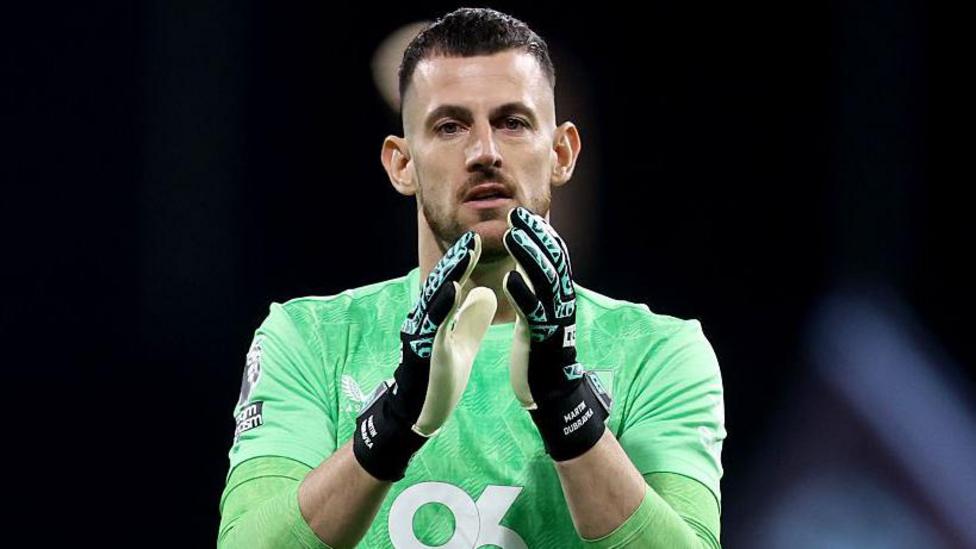
Spurs Secure Dubravka on Free as Postecoglou Adds Goalkeeping Insurance
Tottenham add experienced Premier League depth behind Vicario with a shrewd zero-cost move for the Slovak international.

Coventry City Poach Tchaouna From Burnley In Smart Rebuild Move
Coventry City land winger Loum Tchaouna from relegated Burnley as Mark Robins reshapes his squad
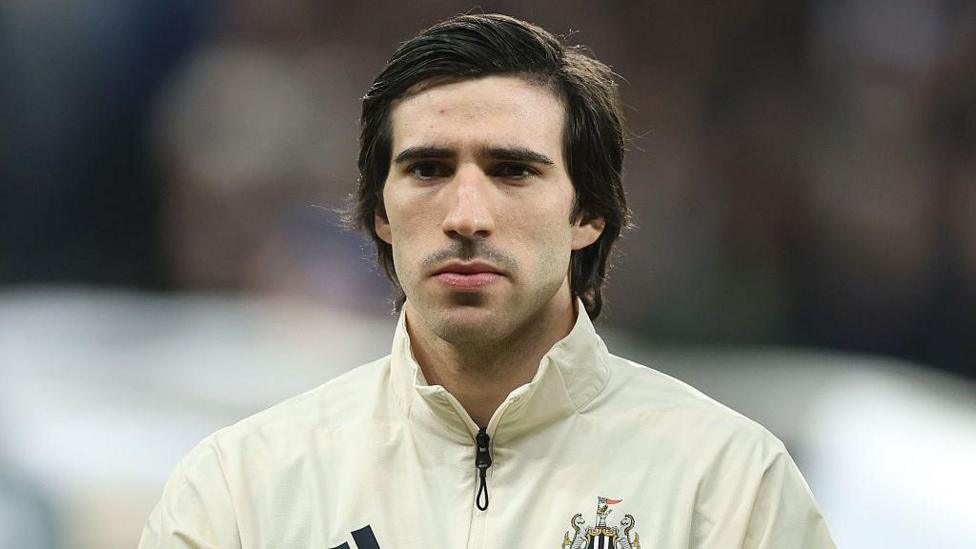
Tottenham Target Tonali: Masterstroke or Mismatch?
Ange Postecoglou's Spurs are circling Newcastle's Sandro Tonali, a move that could redefine their tactical architecture.