The 48-Team Leviathan: What 104 Games and 308 Goals Actually Mean
A **48-team**, **104-match** World Cup reshapes tournament football beyond spectacle into structural overhaul.
title: "The 48-Team Leviathan: What 104 Games and 308 Goals Actually Mean"
category: football
badge: Feature
badgeType: category
author: Elena Rossi
authorRole: European Football Writer
authorInitials: ER
date: 2026-07-21
readTime: 2 min read
image: /images/articles/48-teams-104-games-308-goals-world-cup-scale.webp
imageAlt: Stadium aerial view during a World Cup match with packed stands under floodlights
tags: FIFA World Cup, Tournament Format, International Football
excerpt: "A 48-team, 104-match World Cup reshapes tournament football beyond spectacle into structural overhaul."
imageRegenerated: true
48 Teams, 104 Matches, 308 Goals
The first 48-team World Cup lasted six weeks, delivered 104 matches and 308 goals, and held together logistically from start to finish. Those totals confirm the expanded tournament functioned at scale. They do not prove the format improves on the 32-team era.
The 16 New Slots and Recovery Windows
Adding 16 group-stage participants reshaped knockout pathways and extended campaigns. The longer schedule raised squad-depth requirements and tightened recovery windows. Teams that would have exited under the 32-team format played extended runs, consuming travel, preparation, and player resources that smaller federations struggle to replenish.
The tournament averaged 2.96 goals per match across 104 games. That output places the expanded field squarely in the middle of the scoring range, showing the competition played broadly the same football as the 32-team era.
Variance Between Group Draws and Knockout Rout
A tense group-stage draw and a four-goal knockout rout contribute equally to the per-match average. Coaching staffs managed fatigue across the six-week run in ways a single number cannot capture. Squads with limited depth absorbed the scheduling strain more sharply than established powers with deeper rosters. Headline figures measure volume. They miss the gap between competitive matches and lopsided results.
"48 Reasons" and the Question FIFA Has Not Answered
Tournament organizers framed the edition around "48 reasons," referencing discrete moments, individual performances, and structural milestones. The six-week window generated sustained attention before pre-season friendlies and transfer speculation replaced the World Cup cycle in the football calendar.
FIFA must decide whether 48 teams becomes the permanent format or remains a single experiment. Broadcasting contracts, federation negotiations, and tactical adaptation by participating nations will determine the outcome more than tournament averages. This edition demonstrated the World Cup can operate at a larger scale without structural failure. The governing body has not yet concluded whether it should.
Update:
新文章同样回顾48队世界杯的整体影响,但补充了马拉多纳和勒夫当初对扩军计划的正反引述,以及西班牙夺冠的具体结论。
Editorial Integrity
This is an original SportPulse article written by our editorial team. All content is independently researched, written, and reviewed by our writers and editors before publication. We do not publish copied, aggregated, or syndicated content.
SportPulse is committed to original sports journalism. Read our editorial policy or contact us with any questions.
More Like This
All football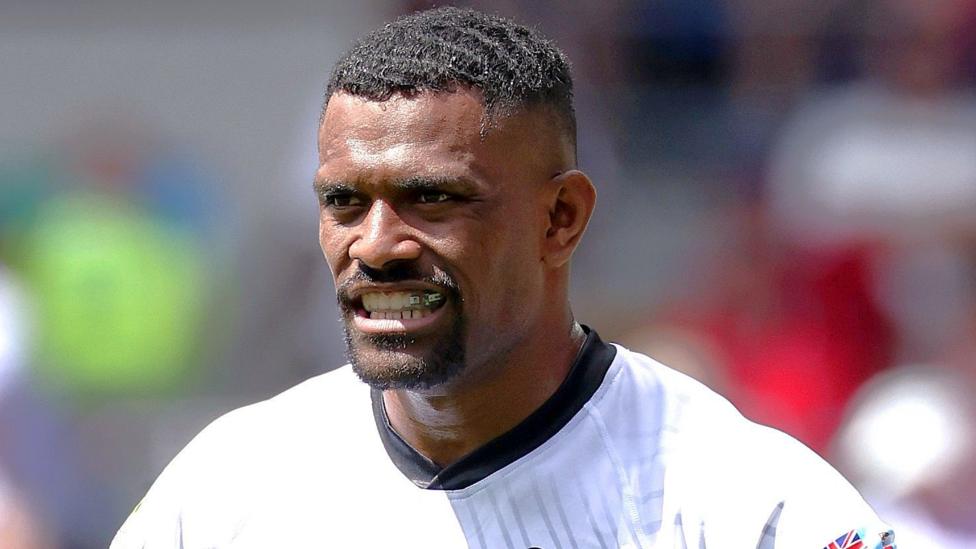
Jiuta Wainiqolo: The Fiji Phenomenon England Cannot Contain
Fiji's flying wing is outscoring rugby's elite finishers and now faces a vulnerable England side with nowhere to hide.
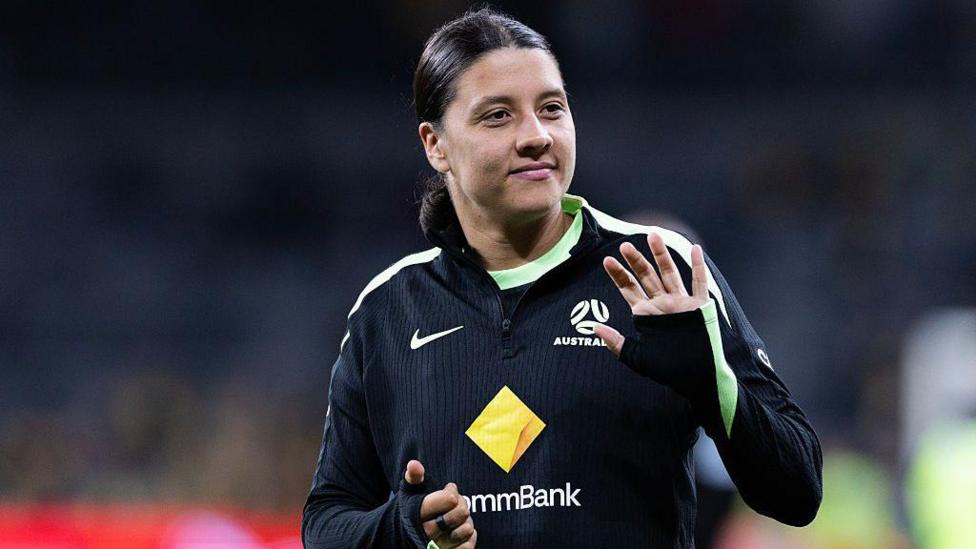
Sam Kerr Returns to the NWSL as Gotham FC Land a Generational Striker
Australia's all-time leading scorer reunites with Gotham FC on a four-year deal after five trophy-laden years at Chelsea.
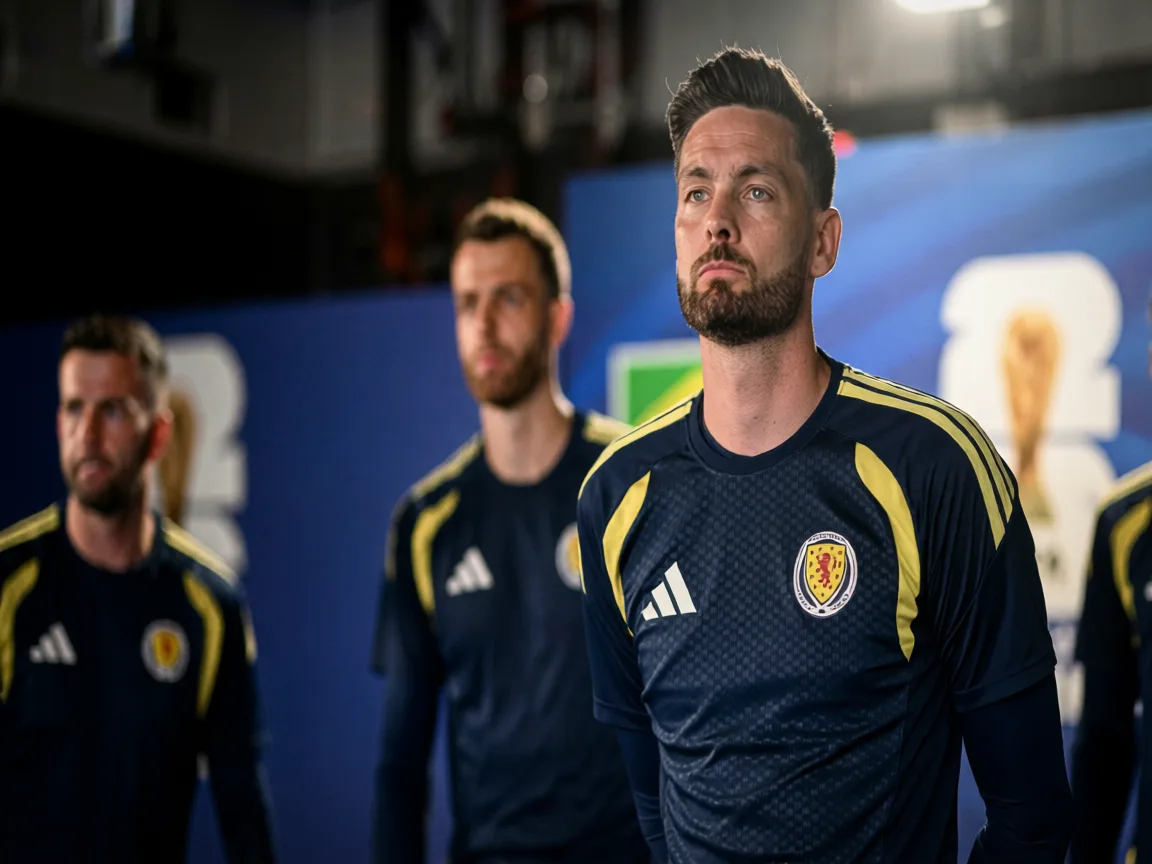
Gordon Retires: The End of an Era and Scotland's Search for a Successor
Craig Gordon leaves a towering legacy for club and country, exposing a glaring void in Scotland's goalkeeping succession