Eight-Year Ban for USA International Reddy After Match-Fixing Verdict
The eight-year suspension handed to USA's Bodugum Akhilesh Reddy exposes how corruption reaches emerging cricket nations.
Eight Years Out: Bodugum Akhilesh Reddy and Associate Cricket's Corruption Problem
The International Cricket Council has handed United States international Bodugum Akhilesh Reddy an eight-year ban from all forms of cricket after finding him guilty of match-fixing. The sanction removes him from every recognised level of the sport, domestic and international, until the late 2020s. For a player capped by the United States, the penalty ranks among the most severe individual suspensions in Associate cricket history.
Reddy's case fits a pattern across Associate nations, where the gap between modest domestic contracts and the sums offered by illegal betting syndicates leaves semi-professional players exposed. The United States has invested heavily in cricket infrastructure, launching Major League Cricket and co-hosting the 2024 T20 World Cup. The Reddy verdict exposes how far that commercial expansion has outpaced the anti-corruption architecture behind it.
Match-fixing investigations in Associate cricket typically involve limited-overs formats, where marginal interventions can shift betting markets without obvious performance drops: a specific wide, a timed dismissal. The ICC's Anti-Corruption Unit relies on communication intercepts, betting pattern analysis, and witness testimony rather than on-field evidence, making successful prosecutions rare and, when they occur, giving them significant deterrent weight.
ICC sanctions for match-fixing range from five years to life depending on the degree of involvement, cooperation with investigators, and prior record. An eight-year term points to a substantial breach of the code without the mitigating circumstances that can reduce a sanction. For Reddy, the suspension effectively ends his international career. By the time he becomes eligible to return, he will be competing against a generation of players who developed entirely during his absence, with no guarantee that USA Cricket would select him even if reinstated.
USA Cricket and the Integrity Gap
The ban lands as USA Cricket works to project stability, having secured full membership status and built a domestic player pipeline. A match-fixing conviction involving a capped international tests whether that institutional momentum can survive the reputational hit.
Associate boards operate with fewer integrity officers, less player education, and reduced capacity for proactive monitoring than full members. The ICC's centralised anti-corruption framework compensates for some of this gap, but it investigates after suspicious patterns emerge rather than preventing them.
The ICC's Anti-Corruption Code provides a framework for sanctions, but enforcement depends on cooperation from players, boards, and betting operators across multiple jurisdictions.
That jurisdictional complexity is acute in the United States, where sports betting is legalised at state level but unregulated offshore markets remain accessible. Players sit at the intersection of legitimate and illicit betting economies, a tension the Reddy case exposes directly.
The eight-year ban functions as both punishment and precedent. It signals to players across Associate cricket that match-fixing carries career-ending consequences, not career-interrupting ones, and places responsibility on national boards to invest in education and monitoring before incidents occur.
For USA Cricket, the immediate priority is showing that Reddy's case reflects individual failure rather than systemic neglect. That means reviewing player education programmes, strengthening reporting mechanisms, and ensuring domestic competitions operate under the same integrity standards as sanctioned international events. The broader question is whether emerging cricket nations can expand rapidly without the governance structures that slower growth allowed full members to develop. The Reddy verdict leaves that question open, and the answer will shape cricket's credibility in markets where the sport cannot afford credibility gaps.
Editorial Integrity
This is an original SportPulse article written by our editorial team. All content is independently researched, written, and reviewed by our writers and editors before publication. We do not publish copied, aggregated, or syndicated content.
SportPulse is committed to original sports journalism. Read our editorial policy or contact us with any questions.
More Like This
All long-reads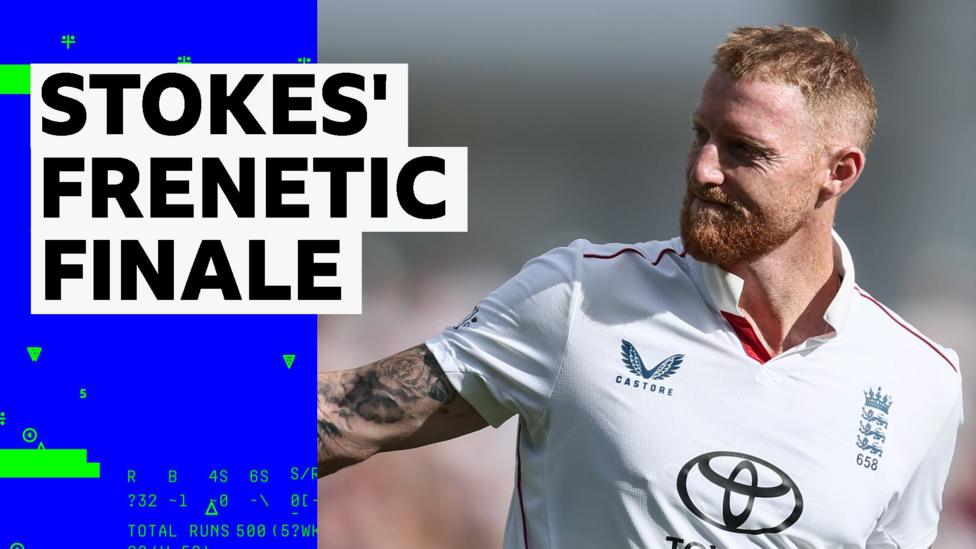
Stokes' Final Flourish: A Swansong of Controlled Chaos
Ben Stokes bid farewell to Test cricket with a blistering 30 off 20 balls, embodying his fearless legacy.
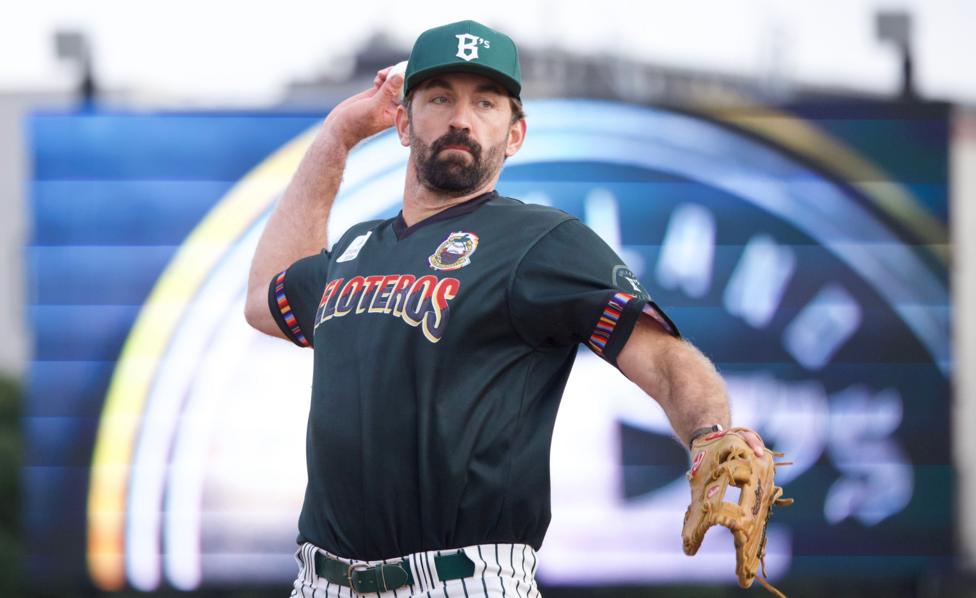
Plunkett's Pitch: From England's Fast Lane to the American Diamond
Former England fast bowler Liam Plunkett officially begins his pro baseball career, tackling the ultimate athletic pivot.

Scarlets Pull Off Kiwi Coup: Hurricanes Lock Allen Headed to Llanelli
Scarlets land 6ft 6in New Zealand U20 lock Tom Allen from Super Rugby champion Hurricanes, a statement URC recruit with serious upside.