Twelve Years Later: Algeria's Long Wait Ends — and a Diaspora Roars
Algeria's return to the World Cup knockout stage ignites euphoria from Surry Hills to Algiers after a 12-year drought.
The Twelve-Year Itch
Twelve years is a long time in football. Long enough for an entire generation of players to rise and retire. Long enough for hope to curdle into resignation. Long enough for a diaspora community, scattered across continents, to wonder whether the magic of 2014 was a one-off rather than a launchpad.
On a rain-slicked Saturday in Sydney's Surry Hills, that wait finally ended. Algeria punched their ticket to the 2026 FIFA World Cup knockout stage, and inside a modest café draped in the green, white, and red of the national flag, pandemonium broke loose.
The scene itself was cinematic: small plastic cups of North African tea passed hand to hand, the sharp aroma of spices rising from a kitchen where flames leapt from a pan, French greetings ricocheting off the walls, and a crowd huddled around a single television screen. The nervous energy that had hung in the room for ninety minutes dissolved into raw, unfiltered joy.
"This is what it means. You don't just watch Algeria. You live Algeria. Every pass, every tackle, every heartbreak — you carry it with you."
That sentiment, echoed across the Algerian diaspora from Paris to Montreal to Sydney, captures something a box score never will.
A Nation That Refuses to Forget 2014
The emotional weight of this moment cannot be understood without revisiting what came before. Algeria's 2014 World Cup campaign in Brazil remains one of the great African football stories of the modern era. The Fennecs topped a group containing Belgium, Russia, and South Korea, collecting four points from three matches and qualifying for the Round of 16 for only the second time in the nation's history (the first being 1982, though they were controversially eliminated in the group stage despite winning two of three matches).
The Round of 16 clash against Germany in Porto Alegre remains seared into Algerian memory. Vahid Halilhodžić's side pushed the eventual world champions to extra time, falling 2-1 in a match that could have gone either way. Sofiane Feghouli's equaliser, Raïs M'Bolhi's heroic saves, the defensive shape that frustrated Germany's passing machine for 90 minutes — it was a performance that earned global respect.
And then came the drought. Algeria failed to qualify for the 2018 World Cup in Russia and again missed out on the 2022 edition in Qatar, a period marked by managerial instability, federation turmoil, and a talent pipeline that produced brilliant individuals but failed to cohere into a competitive collective. The golden generation aged out. The next wave didn't arrive fast enough.
What Changed: The Tactical and Structural Shift
The details of Algeria's 2026 group-stage campaign will be dissected for weeks, but the broad strokes are clear. This is a team that rediscovered defensive discipline without sacrificing the flair that has always defined North African football. The midfield balance, a chronic weakness during the qualification failures, appears to have been addressed through a combination of European-based talent maturing at the right time and a coaching setup that prioritised system over individual brilliance.
Algeria's return to the knockout stage of a 48-team World Cup — the first to feature an expanded format — adds another layer of context. The new structure gives African nations nine guaranteed slots (up from five), and the Fennecs' progression validates the argument that the continent's top sides belong at the sharp end of tournaments rather than bowing out in the group stage.
For context, African nations have reached the World Cup quarter-finals only three times in history: Cameroon in 1990, Senegal in 2002, and Ghana in 2010. Algeria will be desperate to join that exclusive club, and the expanded knockout bracket offers a more forgiving pathway than the old 32-team format.
Diaspora Football: More Than Spectatorship
The Surry Hills scene deserves attention for another reason. Algeria's football identity is inseparable from its diaspora. The vast majority of the national team's best players over the past two decades — Riyad Mahrez, Ismaël Bennacer, Ramy Bensebaini, Andy Delort — were born and raised in France, choosing to represent the green and white over Les Bleus. That dual identity creates a unique emotional dynamic: these players carry the weight of two worlds.
The fans in that Sydney café carry a similar weight. Many are second or third-generation Algerian-Australians, navigating identities shaped by migration, language, and distance. Football is the thread that ties them back to a homeland some have never visited. When Algeria scores, they don't just celebrate a goal. They reclaim a piece of themselves.
This is not sentimental overreach. Sport has always functioned as diaspora infrastructure — the mosque, the café, the TV screen become gathering points where community is reinforced across thousands of kilometres from the motherland. The green and white flag draped across the Surry Hills café was not decoration. It was a declaration of belonging.
The Numbers Behind the Resurgence
While the full statistical breakdown of Algeria's 2026 group-stage campaign requires deeper analysis, the trajectory is instructive:
- 2014 World Cup: Round of 16 exit (lost to Germany 2-1 AET)
- 2018 World Cup: Failed to qualify
- 2022 World Cup: Failed to qualify
- 2026 World Cup: Knockout stage qualification confirmed
The gap between 2014 and 2026 represents the longest drought between knockout-stage appearances for Algeria since their return to World Cup competition. That context makes the Surry Hills celebrations feel less like a party and more like a dam breaking.
What's Next
The knockout round awaits, and with it, the possibility of writing a new chapter in African football history. Algeria's Round of 16 opponents will present a significant step up in quality from the group stage, but this is a squad that has already proven it can handle pressure on the world's biggest stage.
Back in Surry Hills, the tea has gone cold and the kitchen flames have died down. But the conversation is just getting started. For a community that waited twelve years to feel this way again, the knockout stage isn't just a football milestone.
It's proof that the dream was never dead. It was just dormant.
James Chen is a senior football journalist for SportPulse.
Editorial Integrity
This is an original SportPulse article written by our editorial team. All content is independently researched, written, and reviewed by our writers and editors before publication. We do not publish copied, aggregated, or syndicated content.
SportPulse is committed to original sports journalism. Read our editorial policy or contact us with any questions.
More Like This
All football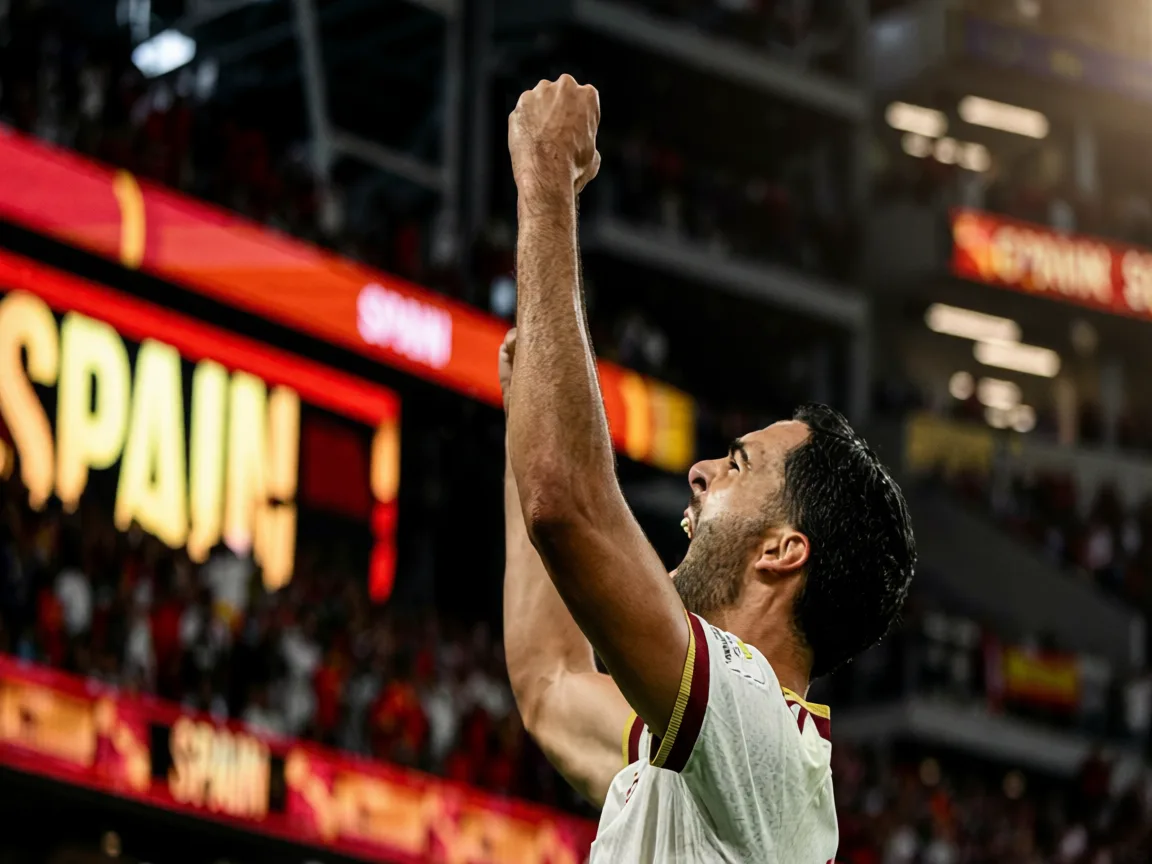
Spain's Collective Identity Meets Argentina's Individual Brilliance in World Cup Final
Cesar Azpilicueta backs Luis de la Fuente's Spain to trust their collective identity against Argentina in Sunday's World Cup final.
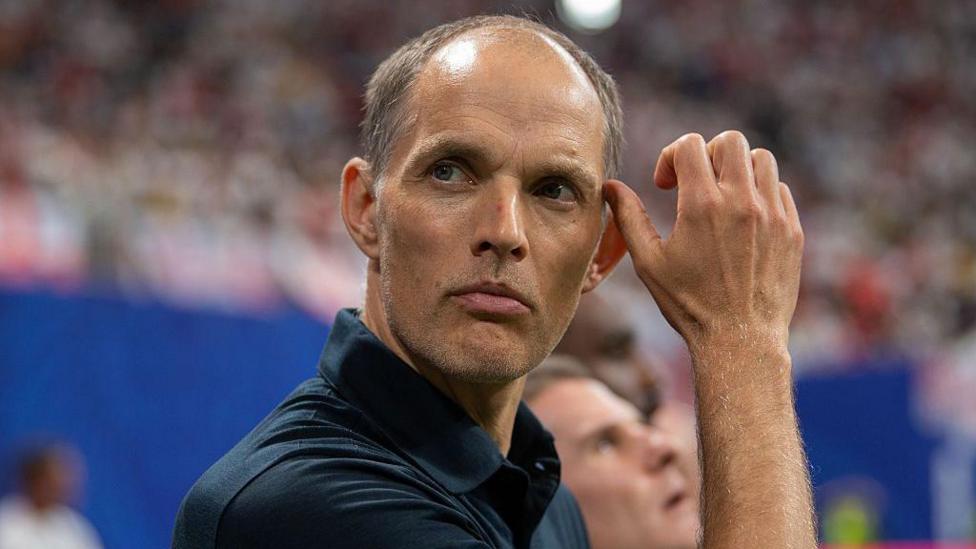
Tuchel's Counterintuitive Gamble: Can England Win Ugly in Mexico City?
England's tournament survival may hinge on embracing the very tactic they have historically failed to break down: a stubborn, suffocating low block.
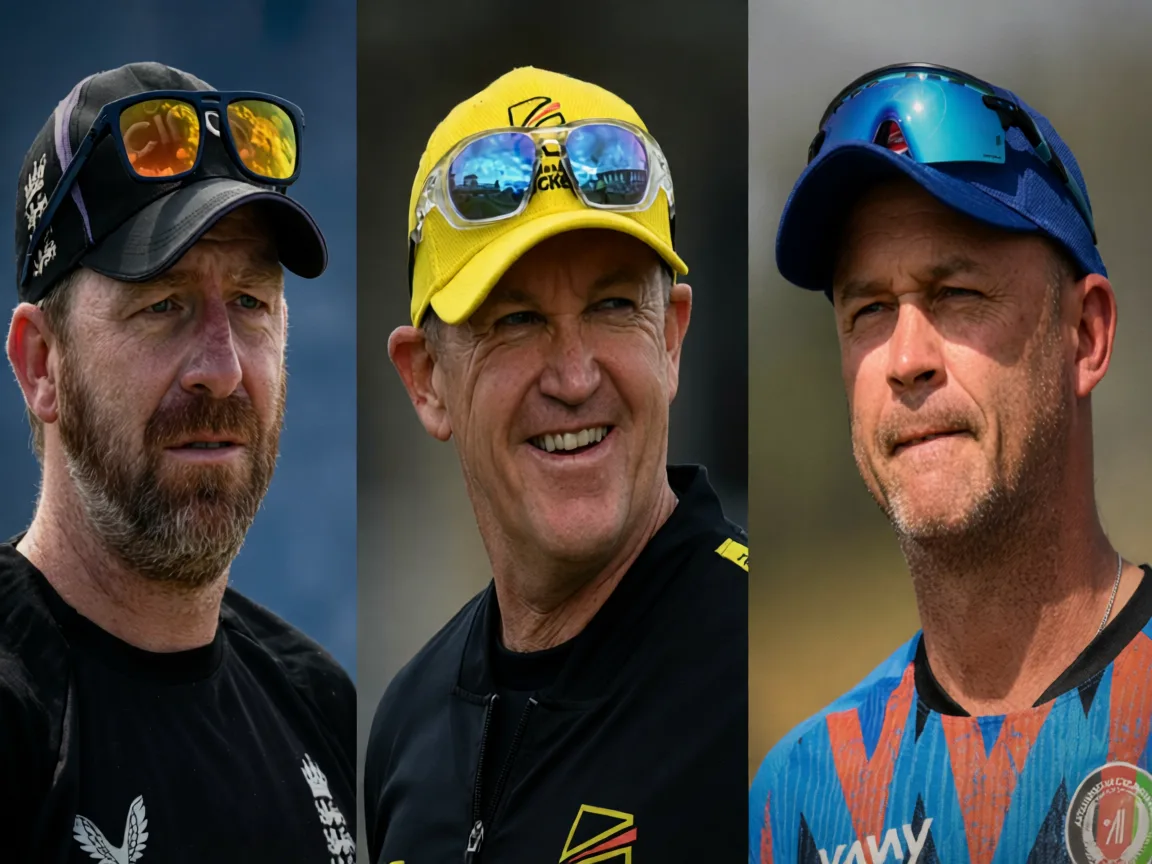
ECB Cast Wide Net for McCullum Successor Ahead of Pakistan
With six to ten names under consideration, England's next Test coach must evolve Bazball tactically without abandoning its aggressive identity.