Spain's Collective Identity Meets Argentina's Individual Brilliance in World Cup Final
Cesar Azpilicueta backs Luis de la Fuente's Spain to trust their collective identity against Argentina in Sunday's World Cup final.
Spain are standing on the precipice of global football's ultimate prize. On Sunday, Luis de la Fuente's side face Argentina in a World Cup final that promises to define a generation. For former Spain captain Cesar Azpilicueta, the recipe for success is simple: trust the collective.
This Spanish squad has rebuilt itself from the ashes of recent tournament disappointments. They have rediscovered a sense of identity that felt lost during the transitional years following their golden era. Now, one win separates them from immortality.
The Power of the Collective
Azpilicueta, a veteran who has worn the armband for both club and country, understands the psychology of winning better than most. He points to the squad's unwavering belief in a shared system as their greatest weapon. In a tournament where individual moments often decide games, Spain are doubling down on structural certainty.
"Keep calm and carry on. We trust our team identity to deliver because the collective always protects you when the pressure hits hardest."
De la Fuente has engineered a tactical evolution that relies on both system and individuals. The unpredictability of Nico Williams and Lamine Yamal on the flanks is balanced by the control of Rodri in midfield. It is a formula that has dismantled opponents throughout this tournament.
The numbers underline Spain's dominance in the build-up to the final. De la Fuente's men have controlled possession in every knockout fixture. Their pressing structure has suffocated opponents, limiting high-quality chances while generating their own at the other end.
A Contrast in Footballing Philosophies
Sunday's showdown in the final is a collision of footballing cultures. Spain represent the power of the system, a well-oiled machine where every player knows their role. Argentina, by contrast, are built around the genius of individuals. Lionel Messi remains the heartbeat of the Albiceleste, capable of conjuring magic from nothing.
Argentina's path to the final has been a masterclass in resilience. Lionel Scaloni's side has survived moments of intense pressure, relying on moments of individual brilliance to pull them through. While Spain suffocate with control, Argentina endure and strike.
This final represents the ultimate tactical debate. Can a disciplined collective suppress the brilliance of football's greatest individual talents? Or will genius find a way, as it so often does on the biggest stages?
The De La Fuente Revolution
When Luis de la Fuente took charge, Spanish football was at a crossroads. The obsession with possession had become sterile, lacking the penetration of past generations. De la Fuente introduced verticality, demanding his wingers stretch the pitch while his midfield anchors maintain control.
The results have been transformative. Lamine Yamal, the teenage sensation, has been a revelation on the right flank. His partnership with Nico Williams on the opposite wing gives Spain a dual-threat dimension they have not possessed in years. Central to it all sits Rodri, arguably the best midfielder on the planet right now, orchestrating play with ruthless efficiency.
Azpilicueta credits this tactical shift for restoring the squad's confidence. The players believe in the game plan because it has been proven against elite opposition. There is a clarity to their approach that breeds calmness in high-stakes moments.
The Final Challenge
Beating Argentina requires more than just tactical discipline. It demands emotional control, the type of calm that Azpilicueta preaches. Argentina will bring passion, fueled by a nation's burning desire to defend their crown. Spain must match that intensity without losing their structural shape.
The atmosphere in the Spanish camp in thelead-up to this final has been one of focused serenity. Inside the locker room at their training base, the mood is calm but intense. Players gather in small clusters, reviewing tactical notes on tablets and discussing positional triggers. De la Fuente moves through the room with a quiet authority, offering a word here and a pat on the shoulder there. There is no screaming, no Hollywood speeches. Just a confident group of players entirely dialed into their assignments.
"We know what we have to do. The plan is clear, the execution is up to us, and the collective will carry us through the difficult moments."
The challenge is immense. Emi Martinez in the Argentine goal is a formidable barrier, a goalkeeper who thrives in tournament pressure. The Argentine midfield, marshaled by the likes of Enzo Fernandez and Alexis Mac Allister, will look to disrupt Spain's rhythm. And looming over it all is Messi, the ultimate difference-maker.
What It Means
This final is about more than just lifting a trophy. For Spain, victory would validate a tactical project that has rescued the national team from a decade of drift. It would cement De la Fuente's status as the manager who brought the magic back. A win on Sunday would also elevate players like Yamal and Williams into the pantheon of Spanish football legends before their twentieth and twenty-second birthdays respectively.
For Argentina, a victory would solidify a dynasty. Back-to-back World Cup titles would firmly close the Messi era with another trophy. It would prove that their model of blending experienced brilliance with young, hungry talent is sustainable.
The world will be watching to see which philosophy prevails. The collective power of Spain against the individual magic of Argentina. On Sunday, one vision of football will claim its place at the summit of the game.
Editorial Integrity
This is an original SportPulse article written by our editorial team. All content is independently researched, written, and reviewed by our writers and editors before publication. We do not publish copied, aggregated, or syndicated content.
SportPulse is committed to original sports journalism. Read our editorial policy or contact us with any questions.
More Like This
All football
Pulisic Racing the Clock: Who Steps Up if US Star Misses Australia?
Christian Pulisic's lingering calf issue forces Pochettino to weigh his options ahead of a pivotal World Cup group stage clash.
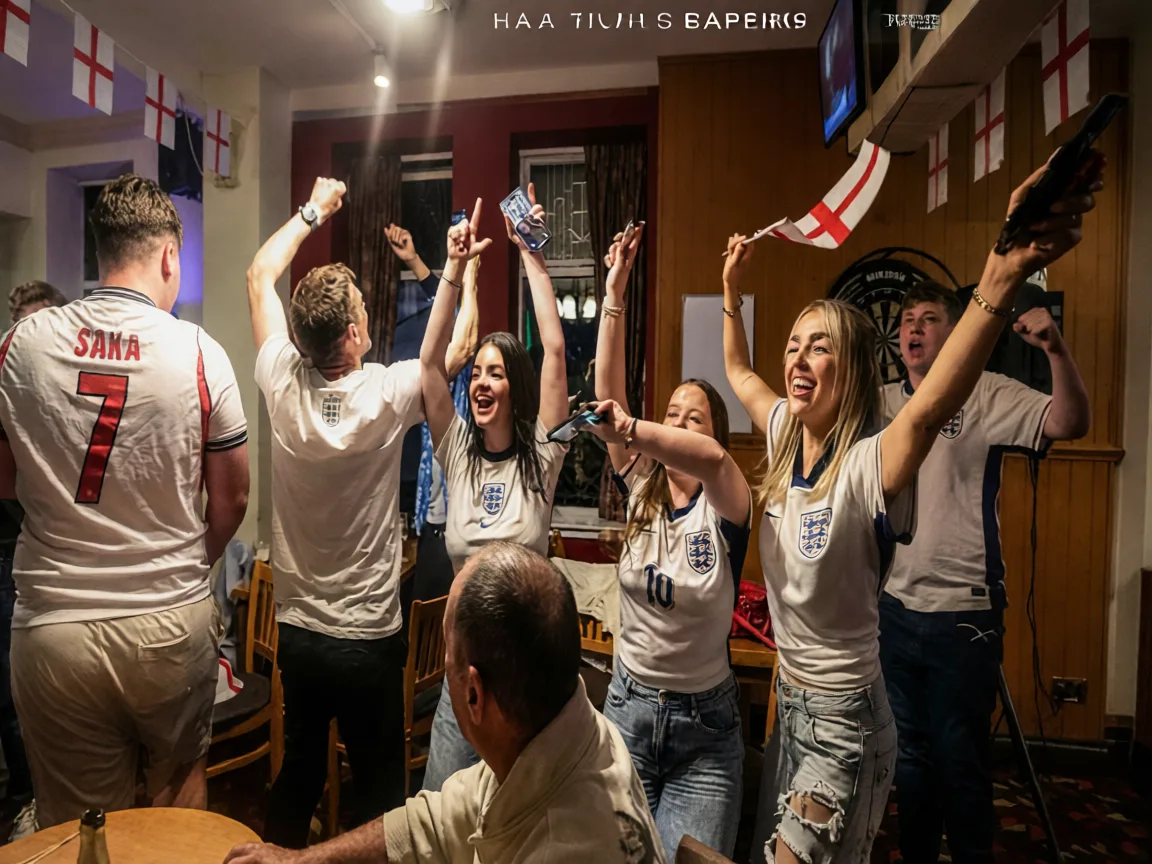
Norway Fixtures Get Extended Pub Hours for Uninterrupted Tactical Viewing
Licensing authorities extend pub hours so Norwegian fans can watch every tactical phase of the national team's upcoming fixture, delayed kick-off or not.

Hull KR Name Nathan Cayless Head Coach on Three-Year Deal
Hull KR hand Nathan Cayless a three-year contract to lead their Super League campaign starting next season.