Pulisic Racing the Clock: Who Steps Up if US Star Misses Australia?
Christian Pulisic's lingering calf issue forces Pochettino to weigh his options ahead of a pivotal World Cup group stage clash.
The Concern Is Real Now
Three days. That's how long Christian Pulisic has been separated from full team training, and the number is starting to matter.
The United States talisman was pulled at half-time during the 4-1 demolition of Paraguay in the tournament opener, a precautionary move by head coach Mauricio Pochettino after repeated knocks to his left calf. Pulisic told reporters post-match that he'd weathered similar punishment before and expected to be fine. But optimism alone doesn't heal soft tissue, and as of Wednesday, he was still wearing a protective sleeve while working through an individual program away from his teammates.
The timing couldn't be more delicate. Australia await in the second group fixture, and the new expanded World Cup format means every point carries amplified weight in the race to the knockout rounds.
Pochettino's First Real Test of Squad Depth
When Pochettino took the US job, the pitch was straightforward: maximize a golden generation on home soil. The 4-1 Paraguay result validated the early promise. But tournament football is a war of attrition, not a single-match showcase, and Pochettino now faces the kind of selection dilemma that separates good managers from great ones.
The Argentine handled the Pulisic situation with textbook caution in the opener. He saw his star midfielder absorbing contact, assessed the risk at the break, and made the call without hesitation. That kind of decisive management breeds trust in a dressing room. Players know their coach won't gamble with their bodies for the sake of a single result.
But the flip side is equally true. If Pulisic can't go against Australia, Pochettino has to find a replacement who offers something close to the same creative threat. That's not a simple substitution. It's a tactical recalibration.
Who Fills the Void?
The US squad has depth, but replacing Pulisic's specific combination of ball progression, final-third creativity, and big-game mentality narrows the field considerably.
Brenden Aaronson is the most natural like-for-like option. The midfielder has spent the past season rebuilding his confidence after a difficult spell in the Premier League, and his pressing intensity fits Pochettino's high-energy system. Aaronson doesn't have Pulisic's raw ability to beat a defender one-on-one, but his movement between the lines is sharp and his work rate off the ball is elite.
Gio Reyna presents the higher ceiling but the greater risk. When fully fit and firing, Reyna is arguably the most technically gifted player in the entire US pool. The problem has always been "when fully fit and firing." His own injury history makes relying on him in a must-perform moment a calculated gamble. If Pochettino starts Reyna, he's betting on talent over availability.
Tim Weah offers versatility. Capable of operating on either flank or drifting into central pockets, Weah gives Pochettino tactical flexibility without asking him to fundamentally reshape the attacking structure. His pace in transition could actually exploit an Australian backline that may be forced to push higher if they chase the game.
Then there's the wildcard: Malik Tillman. The PSV Eindhoven attacker has quietly put together an outstanding domestic season, and his ability to carry the ball under pressure and pick a pass in tight spaces makes him an intriguing option if Pochettino wants to maintain a technical presence in the attacking midfield role.
What the Dressing Room Knows
Inside the US camp, the mood remains calm. Players who spoke after the Paraguay win exuded the kind of quiet confidence that comes from genuine preparation rather than bluster. One source familiar with the squad's inner workings described an atmosphere where Pulisic's situation is treated as managed, not panicked.
"Christian knows his body. The medical staff know his body. There's a plan in place, and everyone trusts it." — A source close to the US camp
That trust is the product of months of work under Pochettino's staff. The Argentine brought in a sports science team with experience managing elite-level workloads across European football's most demanding schedules. They built Pulisic's tournament load plan well before the squad convened, accounting for his heavy club season with AC Milan and the cumulative toll of years playing through physical punishment.
The sleeve on his calf is visible. The individual training is visible. But what's not visible is the internal timeline Pochettino and his medical team have set. If there's a decision to be made, it will be made on their terms, not on external pressure.
The Australia Angle
Australia aren't the pushovers casual observers might assume. The Socceroos have built a reputation for organized, physical defending and clinical counter-attacking under their current setup. They'll sit deep, absorb pressure, and look to punish any US complacency on the break.
That defensive posture is precisely why Pulisic's absence would hurt. Against a low block, you need a player who can unlock a defense with a single moment of individual brilliance, a driving run through a congested channel or a disguised pass that splits two center-backs. Pulisic does that instinctively. His replacements can do it, but not with the same frequency or conviction.
If Pochettino goes with Aaronson or Weah, expect the US to lean harder on wide overloads and set-piece delivery to create chances. If Reyna gets the nod, the approach stays more central, more technical, more reliant on combination play in the final third.
The Bigger Picture
This is what the expanded 48-team World Cup was supposed to test. Deeper squads, more matches, more attrition. The teams that navigate deep into July won't necessarily be the ones with the best eleven, they'll be the ones with the best twenty-six.
The US have spent two years building that depth. Pochettino has rotated ruthlessly in friendlies, capped fringe players, and instilled a system that doesn't collapse when one piece is removed. The Paraguay result proved the concept works. Australia will prove whether it holds under tournament pressure.
Pulisic remains the heartbeat of this team. His absence would be felt regardless of who replaces him. But the US are no longer a one-man show, and the squad Pochettino has assembled exists for exactly this scenario.
What It Means
For Pulisic: The smart money says he's being managed, not ruled out. A modified training program three days before a group-stage match is caution, not crisis. Expect a late fitness call, likely in the final session before kickoff.
For Pochettino: This is the moment that justifies every rotation decision he's made over the past eighteen months. He has legitimate options, and the confidence of his squad won't waver regardless of which name he writes on the team sheet.
For Australia: If Pulisic misses out, the Socceroos will sense an opportunity to steal a point or more against a slightly diminished US attack. But underestimating the depth of this American squad would be a mistake.
For the tournament: The new format demands squad resilience over star power. How Pochettino handles this decision will be an early indicator of whether the US can genuinely contend for a deep run on home soil.
Editorial Integrity
This is an original SportPulse article written by our editorial team. All content is independently researched, written, and reviewed by our writers and editors before publication. We do not publish copied, aggregated, or syndicated content.
SportPulse is committed to original sports journalism. Read our editorial policy or contact us with any questions.
More Like This
All football
London City Lionesses Pull Off Transfer Earthquake Signing Alexia Putellas
Two-time Ballon d'Or winner Alexia Putellas joins London City Lionesses on a three-year deal in a historic women's football bombshell.
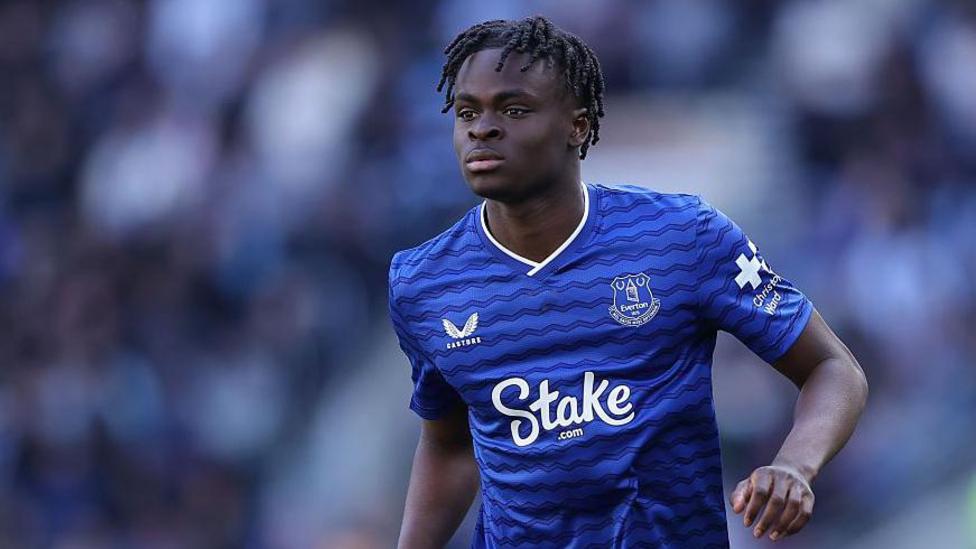
Everton Bet £25m on Chelsea's George to Solve Attacking Crisis
Everton's £25m swoop for Tyrique George is a high-upside gamble on raw talent to cure their chronic attacking dysfunction.

America's World Cup Conversion: From Political Minefield to Cultural Obsession
Against every geopolitical and commercial headwind, the World Cup has America hooked — and the numbers are staggering.