Ali Smith Rewrites Comeback Script After Agony
Two-time Paralympian Ali Smith targets 2026 Commonwealth Return after enduring two miscarriages that threatened to end her career.
The Starting Line Nobody Sees
Para-athletes are conditioned to confront systemic barriers: uphold tradition, deliver force, choose simplicity over sophistication. That narrative carries a seductive but limited logic. Tackle the systemic barriers first, and you create a foundation. Skip that step, and you are left addressing symptoms in perpetuity.
The barriers confronting Ali Smith were not the ones measured by classifiers or stopwatches. A two-time Paralympian, Smith has spoken candidly about attempting to return to international competition at the 2026 Commonwealth Games after enduring two miscarriages. The physical recovery is one trajectory. The psychological reconstruction is an entirely different discipline, one that no coaching manual adequately covers.
When we frame athletic comebacks, the discourse almost exclusively orbits physical rehabilitation. Torn ligaments, fractured bones, compromised tendons. These are tangible. They heal along predictable timelines. Smith's challenge dismantles that framework entirely. The body recovers from pregnancy loss in ways modern sports science can chart, but the competitive psychology of an elite athlete processing profound grief while attempting to reach peak performance demands a different tactical vocabulary.
The Architecture of a Comeback
In elite para-sport, the margins between podium and anonymity are measured in fractions. The classification system is designed to aggregate, producing categories that (in theory) group athletes of comparable impairment profile and functional ability. Below those categories, the individual stories diverge wildly, producing outcomes that diverge significantly based on resources, support infrastructure, and psychological resilience.
Smith's return to training represents a recalibration of her entire athletic identity. A two-time Paralympian does not simply walk back into a 4-year competitive cycle. The women's para-athletics field has evolved. New entrants have arrived. Timelines have shifted. The 2026 Commonwealth Games represents a fixed point on the horizon, immovable, demanding that the athlete conform to the event rather than the reverse.
- Two Paralympic cycles of accumulated competitive intelligence
- Two miscarriages forcing a total interruption of training and psychological trajectory
- 2026 Commonwealth Games on home soil as the return target
- A field that has not waited for her return
The tactical question for Smith and her support team resembles one familiar to football managers engineering a mid-season reset. The principle is not merely restoration to a previous baseline. It is the construction of a new competitive architecture capable of withstanding pressure that is qualitatively different from anything the athlete has previously encountered.
What the Body Remembers
Sport science literature has increasingly recognized the intersection of reproductive health and athletic performance. Yet the specific scenario of an elite para-athete navigating pregnancy loss while maintaining world-class ambitions remains critically underexplored. The hormonal disruption following miscarriage affects bone density, muscle recovery, metabolic efficiency, and cardiovascular output. These are not marginal concerns. They are foundational pillars of athletic capacity.
For Smith, the physical timeline collides with the competitive one. The 2026 Commonwealth Games does not adjust its calendar for personal tragedy. The qualification windows remain fixed. The performance standards do not bend. This creates a tactical imperative where the athlete and her entourage must work backwards from a deadline, allocating training load, psychological support, and competitive exposure with the precision of a tactical periodization model.
The body recovers on its own schedule. The sport does not.
That tension defines Smith's entire comeback architecture. Every training block must balance stimulus against recovery. Every intense session must account for the psychological resonance of physical exertion after loss. The coaching staff cannot simply deploy a standard return-to-play protocol. They must engineer a holistic system that acknowledges the athlete's reality without allowing it to become a limiting belief.
The Invisible Press
Grief operates as a systemic force in athletic performance. Five common patterns of that productive tension include: athletes who channel loss into transformative competitive output, athletes who require extended withdrawal before re-engaging, athletes who oscillate between extremes before finding equilibrium, athletes who compartmentalize entirely, and athletes who integrate the experience into their identity without making it their entire story.
Smith's public acknowledgment of her two miscarriages places her in a critical position. By naming the experience, she has refused the culture of silence that often surrounds reproductive health in elite sport. Male athletes are defined by their physical setbacks in public discourse. Female athletes are expected to narrate theirs with comparable transparency, yet the infrastructure to support that transparency remains underdeveloped. Smith's visibility forces the conversation forward.
The para-sport community has historically been more intimate than its Olympic counterpart. Smaller fields, tighter networks, longer athlete careers due to classification stability. That intimacy can function as both gravitational center and pressure point. The support from within the community can be genuine. The weight of expectation, amplified by the knowledge that the eyes of that same community are watching, can produce a productive tension that either sustains or suffocates.
International Context and Reputational Stakes
This comeback does not unfold in isolation. Internationally, the para-athletics landscape is experiencing unprecedented competitive intensity. Investment in para-sport pathways has increased across Commonwealth nations following the 2022 Birmingham Games. The 2026 edition represents a benchmark event where emerging programs will test their depth against established powers. Smith's return adds a narrative dimension that transcends the sporting column. It positions her as both competitor and symbol of a larger conversation about maternal health in elite sport.
Her presence on the start line in 2026 will carry significance that timing matrices cannot quantify. Regional federations recognize narrative value. Sponsors align with stories that demonstrate human resilience. The Commonwealth Games Federation, navigating its own existential questions about relevance and format, benefits profoundly from athletes like Smith whose journeys articulate purpose beyond the medal table.
The Road to 2026
By the time the opening ceremony arrives, Smith will have completed a journey that no periodization plan could have fully anticipated. The training blocks between now and then will be measured in physiological markers and psychological milestones. The two cannot be separated.
For the para-sport community, Smith's comeback offers a case study in how elite programs must evolve to support athletes through life events that fall outside traditional injury models. The 2026 Commonwealth Games will be one test among many for her. The broader question is whether the system around her has the sophistication to ensure that athletes facing similar challenges in the future do not have to build their comeback architecture from scratch.
The starting line is fixed. The path to it is being rewritten daily.
Editorial Integrity
This is an original SportPulse article written by our editorial team. All content is independently researched, written, and reviewed by our writers and editors before publication. We do not publish copied, aggregated, or syndicated content.
SportPulse is committed to original sports journalism. Read our editorial policy or contact us with any questions.
More Like This
All long-reads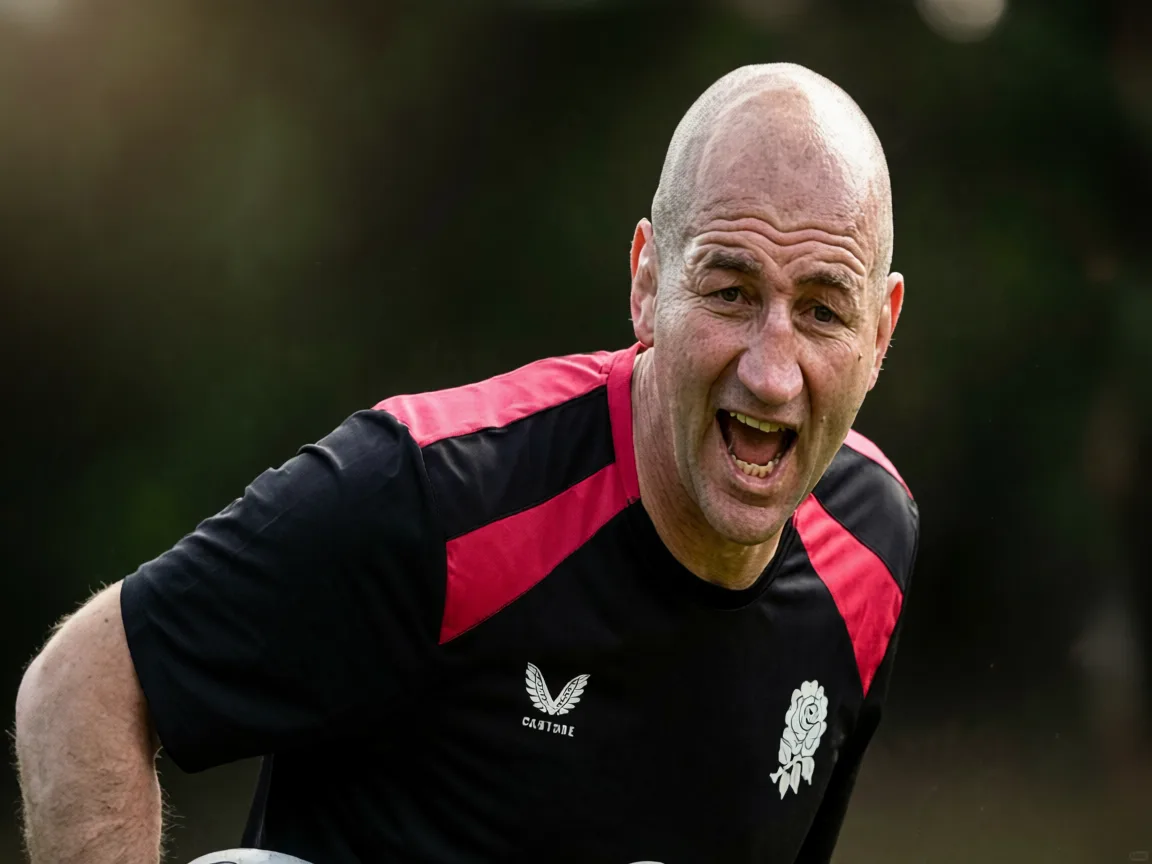
Borthwick's England Stuck Between Reset and Reckoning
Two years out from Australia 2027, Steve Borthwick's Nations Championship returns expose a side still searching for a definitive identity.
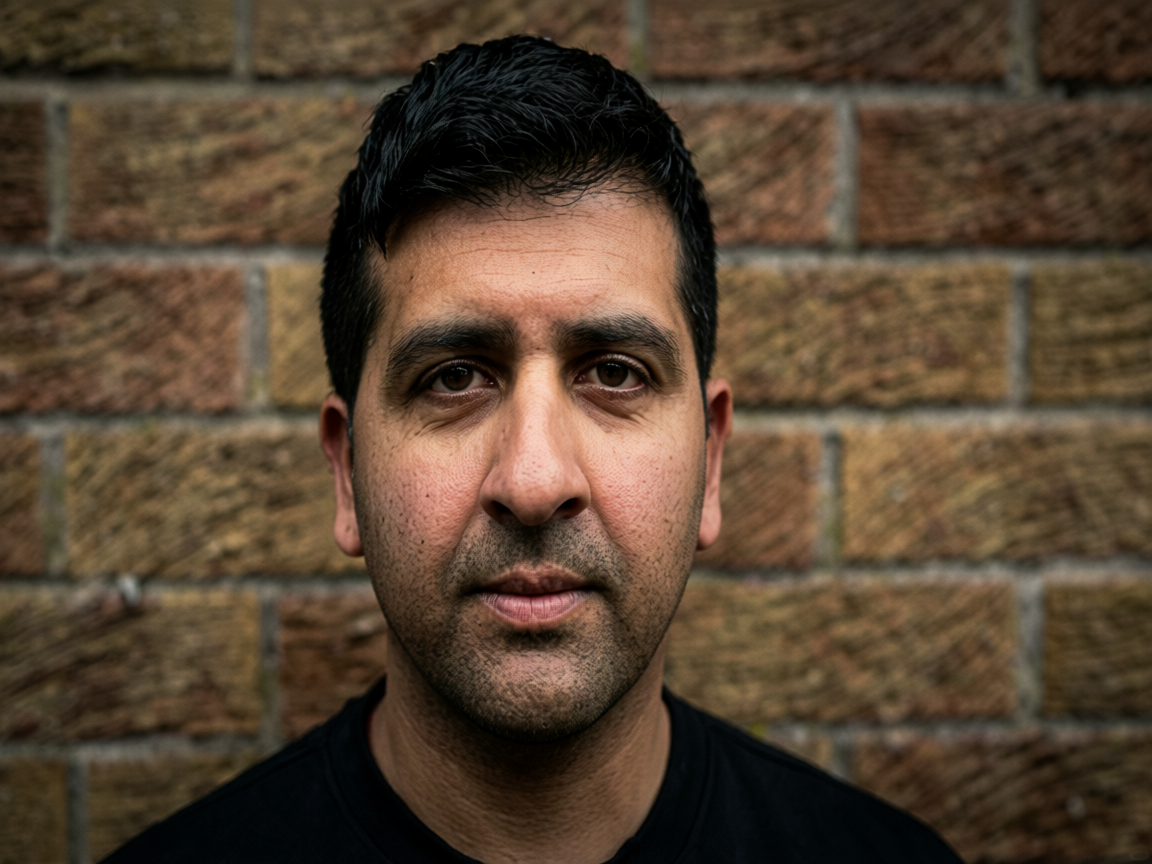
Whistleblower Drops Claim as Cricket Scotland Admits Regret
Majid Haq abandons his victimisation claim after Cricket Scotland finally acknowledges the hurt endured by its racism whistleblower.

Scarlets Pull Off Kiwi Coup: Hurricanes Lock Allen Headed to Llanelli
Scarlets land 6ft 6in New Zealand U20 lock Tom Allen from Super Rugby champion Hurricanes, a statement URC recruit with serious upside.