The Brave Appointment: How Iraola's Tactical DNA Could Reignite Liverpool
Liverpool's pursuit of Andoni Iraola signals a bold philosophical reset after Arne Slot's title defence collapsed.
Bravery as Identity
One word echoes through every conversation about Andoni Iraola. Not "tactics" or "intensity" or "pressing" though he delivers all three in abundance. The word is bravery. It is the quality that colleagues, players, and analysts cite as the defining characteristic of the Basque coach, and it is precisely the quality Liverpool's ownership structure decided was non-negotiable after watching Arne Slot's meek, almost apologetic title defence disintegrate across the 2025-26 campaign.
Richard Hughes, Liverpool's sporting director, is not operating from unfamiliar territory. He was the architect behind Iraola's arrival at Bournemouth in the summer of 2023, a move that raised eyebrows at the time. The Cherries had just survived relegation under Gary O'Neil by the skin of their teeth. Bringing in a coach from Rayo Vallecano, a man with no Premier League experience and a background in the austere, resource-constrained world of La Liga's mid-table, felt like a gamble. It turned out to be one of the most transformative appointments in recent English football history.
Now Hughes is asking Iraola to perform a fundamentally different operation. This is not about rescuing a club fighting for survival. This is about reconditioning one of European football's grand institutions, a club that won the Premier League title in 2024-25 only to watch that triumph curdle into something unrecognisable within twelve months.
The Bournemouth Blueprint
To understand why Liverpool have moved for Iraola, you must first understand what he built at the Vitality Stadium. Bournemouth under Iraola were not merely competitive. They were superbly watchable, a phrase that undersells the tactical sophistication on display. The Basque coach implemented a system that married relentless vertical progression with a sophisticated pressing structure that consistently suffocated opponents regardless of their stature.
Iraola's preferred 4-2-3-1 formation was deceptively simple on paper. In practice, the system morphed fluidly depending on the phase of play. In the build-up, the double pivot would split asymmetrically, with one midfielder dropping between the centre-backs to create a 3-2 build-up shape while the other pushed higher to connect with the attacking line. This positional fluidity allowed Bournemouth to bypass the first pressing line of even the most aggressive Premier League sides.
The pressing structure was where Iraola's tactical identity was most visible. Bournemouth pressed in a 4-4-2 mid-block that would compress into a high press triggered by specific cues: a backward pass to the goalkeeper, a switch of play to a full-back in a constrained position, or a heavy first touch from an opposing midfielder. The trigger-based system was disciplined enough to conserve energy and aggressive enough to generate turnovers in dangerous areas. In the 2024-25 season, Bournemouth ranked in the top five for high turnovers leading to shots across the entire Premier League.
What made Iraola's Bournemouth genuinely distinctive was the courage in possession. The Cherries did not simply press and counter. They built from the back with conviction, moved the ball through the thirds with purpose, and committed bodies forward in transition with a fearlessness that bordered on recklessness. Wide players would invert, full-backs would overlap aggressively, and the number ten would drift into half-spaces to create overloads that left opposing midfielders scrambling.
Why Liverpool Need This
Arne Slot's Liverpool were, at their best in 2024-25, a team of extraordinary control. The Dutchman brought a positional play framework that squeezed maximum efficiency from a talented squad. They won the title with the best defensive record in the league and a pressing intensity that ranked among Europe's elite.
But the 2025-26 season exposed the limitations of that approach when it lost its edge. Slot's system depended on disciplined positional structure, and when key players lost form or suffered injuries, the rigidity of the framework became a weakness rather than a strength. Liverpool became predictable. Opponents learned to exploit the narrowness of the build-up, to target the spaces behind adventurous full-backs, and to withstand the pressing sequences because they had been analysed to exhaustion.
The swagger evaporated. Where Liverpool had once suffocated opponents with coordinated pressing waves, they became passive. Where they had once moved the ball with incisive verticality, they retreated into lateral circulation. Slot's title defence was not a catastrophe in the traditional sense, but it was a meek surrender of the standards the club had set.
Iraola represents a philosophical departure. His teams are not built on the positional rigidity that defined Slot's Liverpool. They are built on bravery in the moment, on the willingness to take risks, to commit to pressing actions that might fail, to play forward passes that might be intercepted. It is a higher-variance approach, but it is also one that generates energy, unpredictability, and the kind of attacking verve that gets Anfield roaring.
Tactical Shift: From Control to Chaos
The central tactical question of Iraola's appointment is how he adapts his system to a squad built for a fundamentally different philosophy. Slot's Liverpool were constructed around a double pivot that prioritised ball retention and positional discipline. The midfield profiles in the current squad lean toward controlled passers rather than the dynamic, box-to-box runners that Iraola's system typically demands.
At Bournemouth, Iraola relied on midfielders who could press aggressively for ninety minutes, recover possession in advanced areas, and then transition quickly into attacking combinations. Players like Philip Billing and later Ryan Christie thrived because they possessed the engine and the technical quality to operate in the chaotic spaces that Iraola's system creates between pressing and possession phases.
Liverpool's midfield options present both challenges and opportunities. The presence of technically gifted players means Iraola will not need to compromise on the build-up quality. But he will need to cultivate the pressing intensity and the willingness to operate in transitional chaos that his system demands. This is where the bravery theme becomes most relevant. Iraola's coaching methodology is designed to empower players to take risks, to trust their instincts in pressing duels, and to play forward rather than sideways when the opportunity arises.
The defensive line will likely shift upward. Iraola's Bournemouth maintained a high defensive line that ranked among the top three in the Premier League for average defensive line height. Liverpool under Slot pressed high but managed the depth of the line conservatively in certain matches. Iraola will almost certainly demand a more consistently aggressive approach, which will require centre-backs with pace and recovery ability, a profile Liverpool possess in abundance.
The Hughes Factor
It would be incomplete to discuss this appointment without acknowledging the role of Richard Hughes. The sporting director's relationship with Iraola was forged during those initial conversations in 2023, when Hughes identified the Basque coach as the ideal candidate to transform Bournemouth's identity. That assessment proved spectacularly correct.
Now Hughes is operating at a different scale entirely. Liverpool's recruitment infrastructure, analytics department, and financial resources dwarf those available at Bournemouth. Iraola will have access to world-class talent identification systems, a scouting network that spans every major league on the planet, and a transfer budget that allows him to target players who fit his specific tactical requirements rather than making do with what is available.
The Hughes-Iraola partnership also provides a crucial buffer of trust. One of the most difficult aspects of managing at a club of Liverpool's stature is navigating the political complexity of the ownership structure, the expectations of a global fanbase, and the relentless media scrutiny. Hughes's prior relationship with Iraola means there is an established channel of communication and mutual understanding that can weather the inevitable storms of a Premier League season.
What This Means for the Squad
Certain players stand to benefit enormously from Iraola's arrival. Wide forwards who thrive in one-on-one situations and can press aggressively from the front will see their roles elevated. The full-back positions will become even more attacking, with Iraola's system demanding that they provide width and overlapping runs as a primary creative mechanism.
Conversely, players who excelled under Slot's more measured approach may find the transition challenging. The demands of Iraola's pressing system are physically extraordinary. At Bournemouth, his squad consistently ranked among the top four for total distance covered and high-intensity sprints per match. This is not a system that accommodates passengers or players who conserve energy for attacking moments.
The integration of academy graduates could also accelerate. Iraola's time at Bournemouth demonstrated a willingness to trust young players who showed the physical and psychological attributes his system requires. He did not rely on expensive signings to build competitiveness. He developed players, improved their tactical understanding, and created an environment where bravery was rewarded rather than punished.
"The most important thing is that the players believe in what we are doing. When they believe, they are brave. When they are brave, they play football that is beautiful to watch and very difficult to play against." — Andoni Iraola on his coaching philosophy during his time at Bournemouth
The Road Ahead
Liverpool's pre-season will be critical. Iraola needs time to install his pressing triggers, to establish the positional principles that govern his build-up play, and to cultivate the collective courage that makes his teams so compelling. The early weeks of the 2026-27 campaign will likely feature the inevitable growing pains of a philosophical transition, particularly against opponents who will test the defensive vulnerabilities that a higher line creates.
The Champions League campaign will be the true barometer. Iraola's system is designed for high-intensity matches against quality opposition, where the pressing structure and transitional speed can be maximally effective. If he can translate the principles that made Bournemouth the most exciting team outside the traditional top six into a squad with Liverpool's resources and talent, the Anfield faithful may witness something genuinely special.
The swagger that defined Liverpool's title-winning campaign under Slot was built on control. Iraola will attempt to rebuild it on courage. Whether that transition succeeds will depend on how quickly the squad buys into a philosophy that asks them to embrace risk rather than manage it, to press rather than contain, and to play with the kind of fearless conviction that made Andoni Iraola one of the most coveted coaches in European football.
Editorial Integrity
This is an original SportPulse article written by our editorial team. All content is independently researched, written, and reviewed by our writers and editors before publication. We do not publish copied, aggregated, or syndicated content.
SportPulse is committed to original sports journalism. Read our editorial policy or contact us with any questions.
More Like This
All football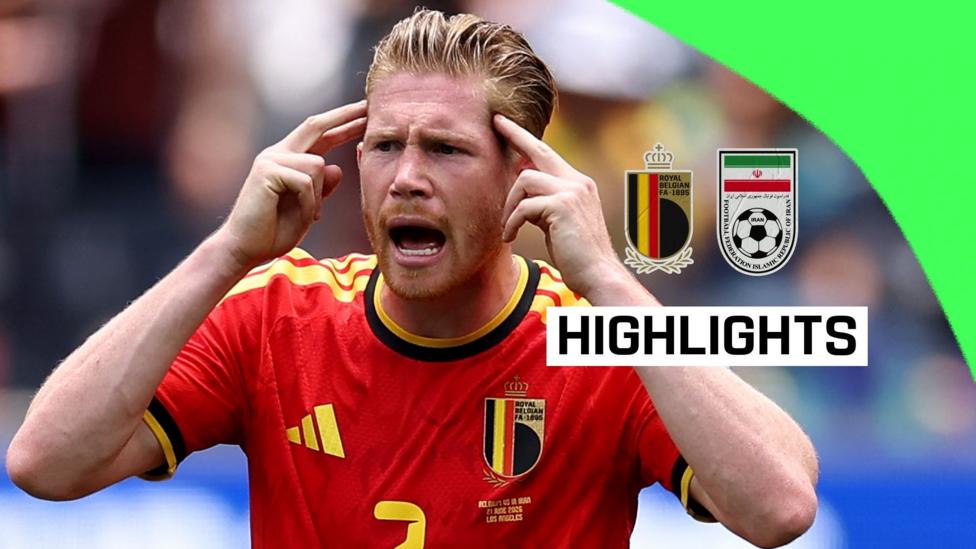
Iran Stun Ten-Man Belgium as World Cup Hopes Hang in Balance
Alireza Beiranvand put on a goalkeeping masterclass as Iran clung to a priceless draw against ten-man Belgium.
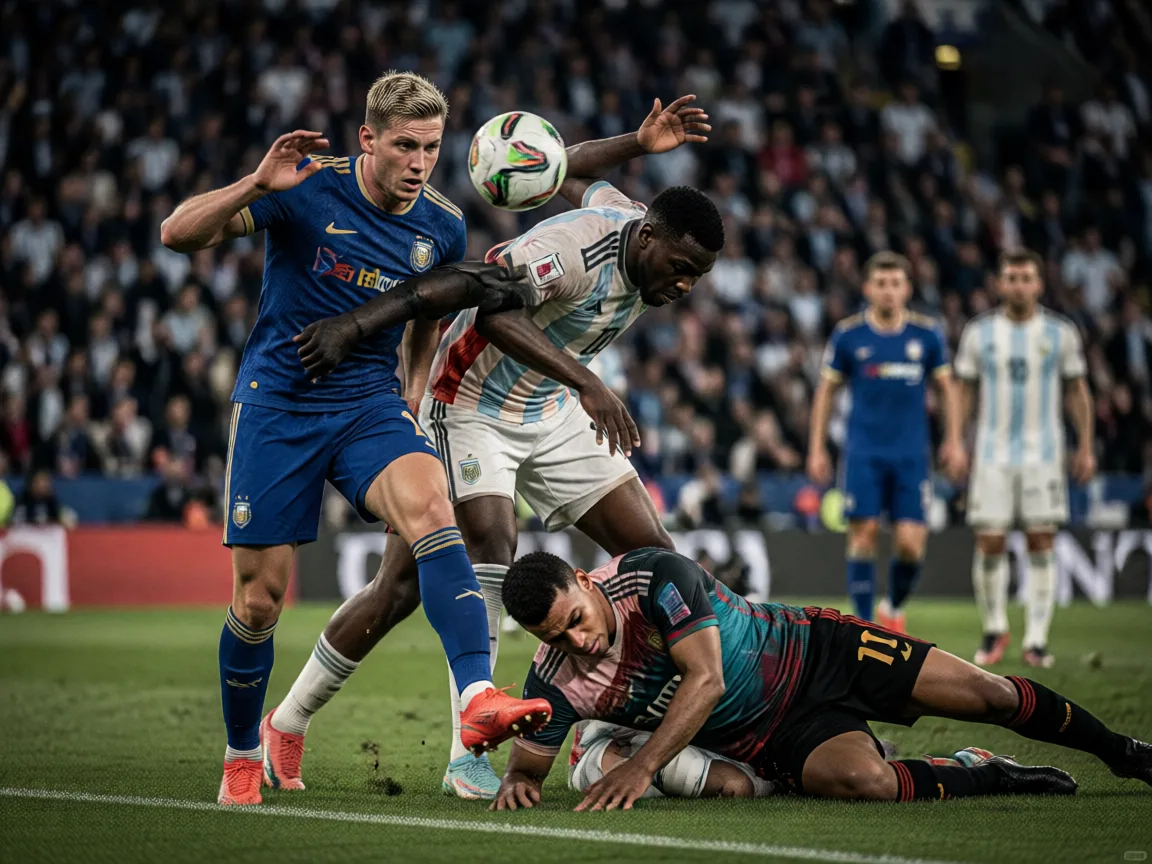
Infantino's Political Games Corrupt the 2026 World Cup Legacy
FIFA's precedent-breaking meddling to secure marquee names turned a decent tournament into a cautionary tale of governance rot.
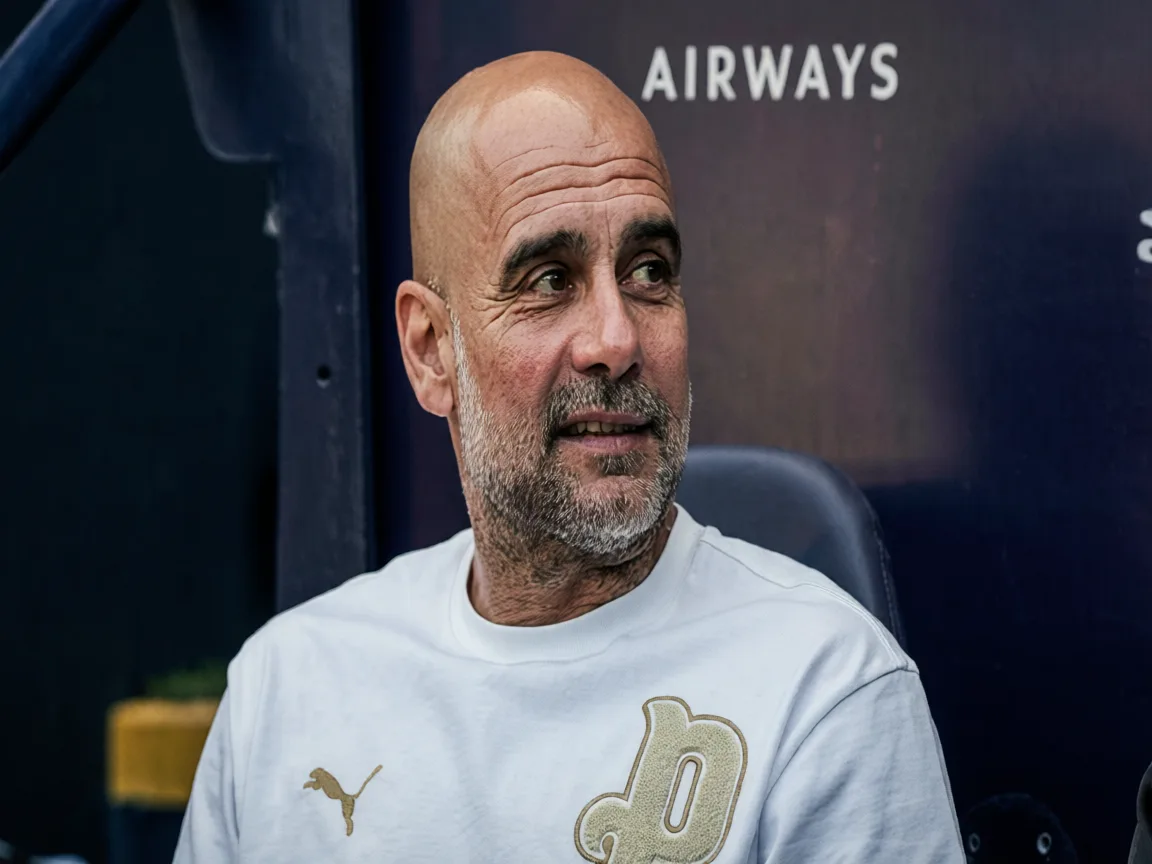
Guardiola and Italy: A Tactical Marriage That Could Reshape International Football
Pep Guardiola speaks fluent Italian and Italy wants him. England should be watching very closely.