Guardiola and Italy: A Tactical Marriage That Could Reshape International Football
Pep Guardiola speaks fluent Italian and Italy wants him. England should be watching very closely.
The Setup
The Italian Football Federation is hunting for a new head coach after a disappointing cycle. The name now floating through the corridors of the FIGC is not a steady Serie A midtable boss. It is the most influential manager of the modern era.
Pep Guardiola, the architect behind Barcelona's tiki-taka dynasty and Manchester City's domestic dominance, is reportedly being sounded out for the vacant Italy job. The 53-year-old speaks fluent Italian and has always carried a deep reverence for the tactical culture of the peninsula.
The links surface at a peculiar moment. Guardiola's tenure at Manchester City has entered its most turbulent chapter. A campaign marred by injuries, departures, and uncharacteristic defensive frailty has cracked the aura of invincibility he spent years constructing.
Why Italy Makes Sense
The tactical marriage is obvious. Italian football has been quietly absorbing Guardiola's principles for the better part of a decade. Coaches across Serie A have borrowed from his positional play manual, adapting it to a league that historically demanded pragmatism above all else.
Guardiola speaks the language. He spent a sabbatical year living in New York studying Italian culture and football philosophy. He has long admired the defensive traditions of Italian football, frequently referencing historic teams when discussing his own tactical evolution.
There is a romantic symmetry to the idea. The man who perfected possession football taking charge of the nation that invented defensive organization. It would be a fusion of two opposing philosophies under one umbrella.
The Italy job is currently a vessel waiting to be filled with ambition after the dismissal of Luciano Spalletti. Italian football needs a reset. The Nazionale missed the 2022 World Cup entirely, a humiliation that still stings the federation. Euro 2020 glory now feels like a distant relic.
What Broken Does Not Mean Done
Do not mistake vulnerability for decline. Guardiola has endured difficult stretches before and emerged with retooled methods. His final season at Barcelona was scarred by heavy Champions League semifinal defeats. His first season in England required painful adaptation to the intensity of English football.
At City, the 4-3-3 shape has often morphed into a front-heavy system that has produced jaw-dropping attacking numbers but occasional structural chaos. The squad he has assembled contains the deepest collection of technical midfielders in the country. The game model still produces elite chance creation metrics.
What has changed is the margin for error. Opponents have increasingly found ways to expose the high line. Set pieces have become a recurring vulnerability. These are correctable issues, but they do fuel the speculation that Guardiola might be ready for a fresh canvas.
The international game offers precisely that canvas. It moves at a different rhythm. There are no daily tactical drilling sessions, no weekly Press conferences dissecting a back four, no transfer windows demanding the addition of a specialist left back. It is pure management of elite egos and collective psychology.
The England Question
The Italian interest raises the most tantalizing what-if in English football. If Guardiola genuinely considers the international plunge, the Football Association should be moving mountains to position itself at the front of the queue.
Thomas Tuchel currently holds the keys to the England project. The German was appointed to navigate a squad that reached consecutive European Championship finals but could not clear the final hurdle. His tenure begins in a pressure cooker.
But Guardiola has unfinished business with the English football ecosystem. He spent years shaping the tactical education of dozens of England internationals. Phil Foden, Jack Grealish, John Stones, Kyle Walker, and Kyle Walker-Peters all developed under his daily guidance at City.
The current generation of English talent has been schooled in positional play principles by the Spaniard. They understand the automated passing patterns, the pressing triggers, and the structural spacing he demands. An England team managed by Guardiola would execute his ideas with minimal induction.
The Football Association has demonstrated ambition before. They appointed Sven-Goran Eriksson when the Premier League was still finding global reach. They brought Fabio Capello to instill discipline. hiring Guardiola would be a statement of intent that would echo across the international landscape.
The Rhythm Shift
One overlooked factor is the psychological rhythm of international management. Guardiola has operated in a relentless cycle of training, matches, Press obligations, and tactical refinement for nearly two decades. The Premier League calendar is the most punishing operating environment in the sport.
International football offers breathing room. There are weeks where the primary task is observation rather than intervention. Club scouts become extended eyes. The squad assembles only eight times a year for competitive preparation.
A coach who has visibly aged under the strain of elite club management might welcome the deceleration. It would also allow Guardiola to reset his tactical palette and study opponents with longer lead times.
The 2026 World Cup presents a natural focal point. Both Italy and England will be desperate to assert themselves on that stage. Guardiola has never won a major international tournament as a head coach. His legacy already stands among the absolute elite, but a World Cup would cement a historical standing that transcends club football.
The Danger Of Waiting
Italy has moved quickly in the past when identifying coaching targets. The FIGC understands that dragging out a recruitment process invites rival干预 and public restlessness. They will not wait forever for Guardiola to decide.
The landscape of available elite managers is thin. Generational talents on the touchline rarely become free agents at a moment that aligns with an opening of this magnitude. The FIGC will want clarity soon.
For Guardiola, the allure is undeniable. Living in Italy, speaking the language, managing the Azzurri at a major tournament. It represents a career pivot away from the concentrated intensity of Premier League football.
The dressing room he would inherit is a fascinating blend. Sandro Tonali, Federico Chiesa, and Alessandro Bastoni are technical players who would relish the possession structures Guardiola constructs. The Italy player pool is rich with ball-carrying midfielders and progressive defenders.
The tactical systems would shift. Guardiola would have weeks rather than days to choreograph pressing schemes and set-piece routines. The adaptation period would lean heavily on his man-management capacity.
What It Means
The consequences ripple across the entire football landscape. If Guardiola engages with Italy, English football loses its most transformative influence to a direct international competitor. The Premier League loses its defining tactical voice.
If City enters a genuine rebuilding phase under new leadership, the balance of domestic power shifts immediately. Arsenal, Liverpool, and Chelsea would sense vulnerability in the champions.
And if England harbors any quiet ambition of hijacking the situation, the FA must act with uncharacteristic speed. Sitting still means accepting a future where the most decorated manager of his generation plots the downfall of English football from the dugout of the Azzurri.
The coming weeks will reveal whether Guardiola views this Italian flirtation as leverage, a genuine career pivot, or the kind of opportunity he simply cannot refuse.
"The football world is always watching what happens next. When a manager of this caliber becomes available, frightened federations act with precision."
Editorial Integrity
This is an original SportPulse article written by our editorial team. All content is independently researched, written, and reviewed by our writers and editors before publication. We do not publish copied, aggregated, or syndicated content.
SportPulse is committed to original sports journalism. Read our editorial policy or contact us with any questions.
More Like This
All football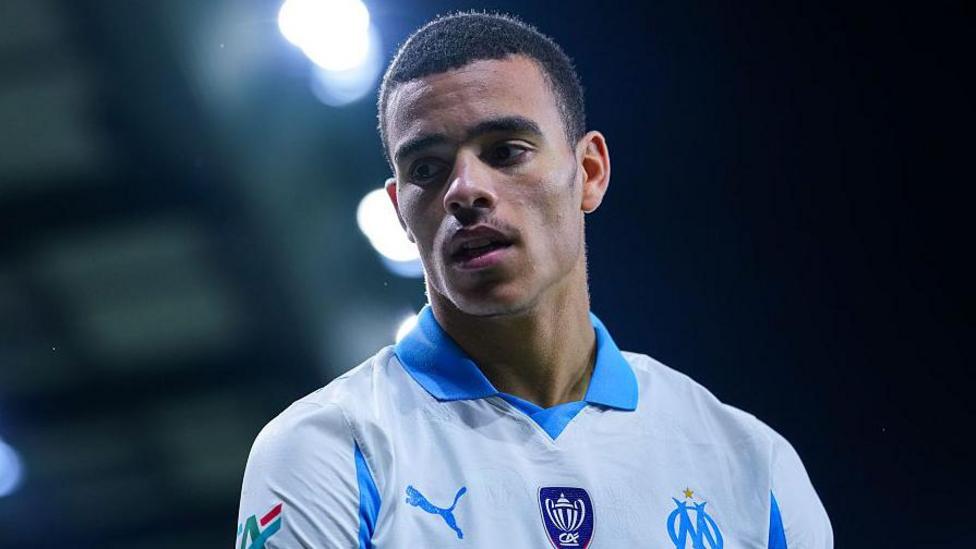
Greenwood to Fenerbahce: Reboot or Escape?
Mason Greenwood swaps Marseille for Istanbul on a four-year deal, trading Ligue 1 redemption for a Turkish reboot under Mourinho.
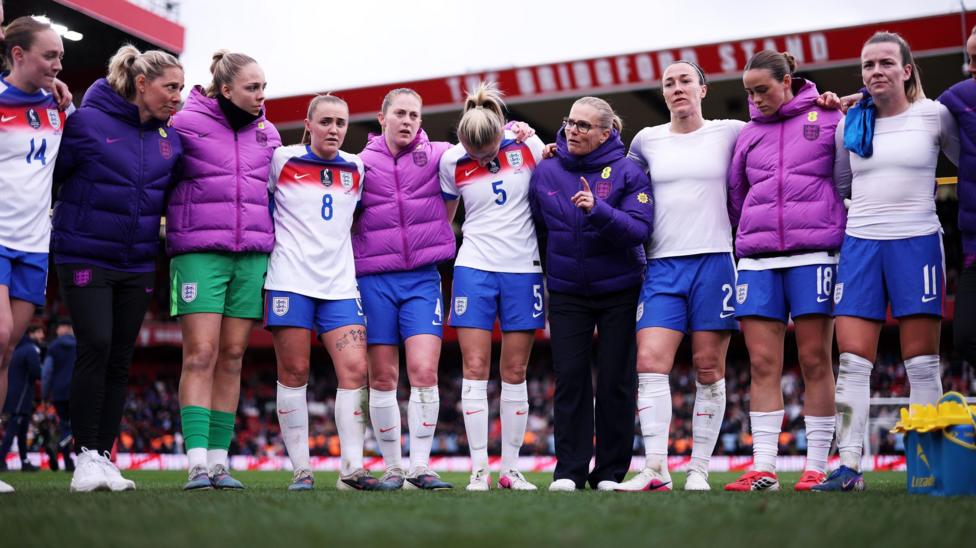
Dingley's Milestone Exposes Football's Coaching Glass Ceiling
Hannah Dingley broke barriers as England's first female professional men's team manager, but systemic change remains painfully slow.
England vs Mexico: Player Ratings and the Verdict
England faced Mexico in a revealing international clash. Our player ratings break down who delivered and who faded.