Antonelli Banks Hungarian GP Podium Ahead of Title Rivals
Third at the Hungaroring puts Antonelli clear of his two championship contenders on a surface that rarely forgives sloppy setup work.
The 4.381-kilometre Hungaroring sits 14 kilometres northeast of Budapest, a purpose-built facility that Mikhail Gorbachev inaugurated in 1986 as Formula 1's first venture behind the Iron Curtain. The circuit layout remained largely unchanged for decades until a 2003 modification added a longer main straight and a tighter Turn 1 complex, giving the venue its current shape. What makes this track punishing is not raw speed but the constant demand for mechanical precision and the near-total absence of long straights where a car can breathe.
The surface demands the softest tyre compounds in Pirelli's range and the highest downforce configurations teams can physically produce. The circuit's 14 corners flow in a sequence that keeps tyres at operating temperature but rarely lets them cool, which sounds helpful until a driver locks a front axle into Turn 1 and watches the surface temperature spike past the working window in a single braking zone. A clean weekend rewards cars that rotate on corner entry and put power down on the dusty, low-grip exits. A messy one leaves drivers stuck behind slower cars with no DRS runway long enough to force a pass.
Overtaking dies here not from a lack of trying but from the physical reality of the circuit. The main straight is the only section where DRS produces a meaningful speed differential, and even that window closes fast once a chasing car moves into dirty air. Downforce levels approach Monaco specifications because there is virtually no high-speed corner that rewards a low-drag setup. Every team bolts on maximum available front wing angle and runs rear wing flaps at their steepest incidence, trading straight-line velocity for cornering stability.
The compromise bites in qualifying traffic. Drivers commit to a push lap knowing that a single slow car at the apex of Turn 2 or Turn 4 can bake the tyres and ruin the run, because there is no way to cool them back down on a flying lap around a track this tight. Qualifying position matters disproportionately because Sunday pace rarely fixes a bad grid slot. Strategy walls spend Saturday evening calculating whether a one-stop or two-stop approach can salvage a result from whatever qualifying delivers.
A tyre stop window between lap 18 and lap 28 is the conventional pivot point for a medium-to-soft strategy. In a normal race, drivers who start on the medium compound use that window to bolt on softs and attempt to make up ground on cars that started on the harder rubber. Those cars stay out, run longer, clean the air, and attempt an overcut that relies on fresh-tyre pace in the final stint. With overtaking at such a premium, strategy walls weigh the two-stop configuration against a risky single-stop alternative that hinges entirely on tyre management.
Fuel load and track temperature on Sunday dictate which approach wins. A heavy car at the start stresses the rear tyres through the slow-speed sections from Turn 6 through Turn 9, and a driver who overdrives that phase pays for it later with degradation that makes the final stint a survival exercise rather than a charge. Cars that lift and coast through the apexes preserve the left-rear while those chasing outright lap time do not.
Antonelli Salvages Third on a Day the Win Was Off the Table
Kimi Antonelli crossed the line in third place at the Hungarian Grand Prix, a result he described as a positive haul from what he acknowledged was a difficult race. He finished ahead of his two main title rivals, meaning the championship math shifts in his direction even on a day when the outright win was not available.
Antonelli called it a tough race, engineers' language for an afternoon spent defending, managing, and refusing to concede track position when the car beneath him was not the fastest package on the circuit. The two rivals who trailed him left the Hungaroring recalculating not just their race pace but their approach to weekends where track position and tyre husbandry reward the driver who can manage a race rather than simply win one.
The standings implication is concrete: finishing third while both principal rivals sit lower down the order converts a theoretically neutral weekend into a net points gain. Antonelli leaves Budapest having defended his championship position without needing a heroic drive.
Editorial Integrity
This is an original SportPulse article written by our editorial team. All content is independently researched, written, and reviewed by our writers and editors before publication. We do not publish copied, aggregated, or syndicated content.
SportPulse is committed to original sports journalism. Read our editorial policy or contact us with any questions.
More Like This
All f1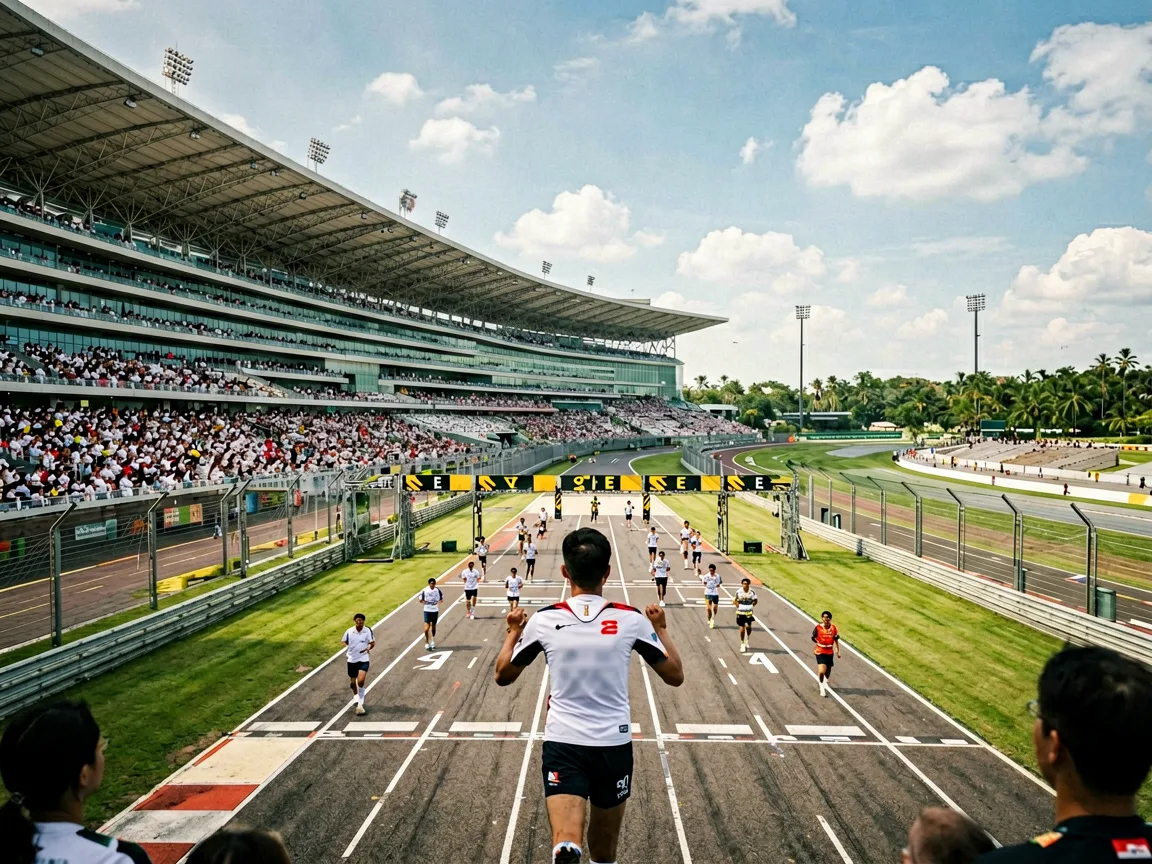
Sepang Returns: Malaysia Reclaims F1 Date as 2026 Calendar Takes Shape
Malaysia is back on the Formula 1 calendar for 2026, with Sepang stepping in as a round in October.
Palmer Identifies Critical Flaw in Russell’s Mercedes Title Bid
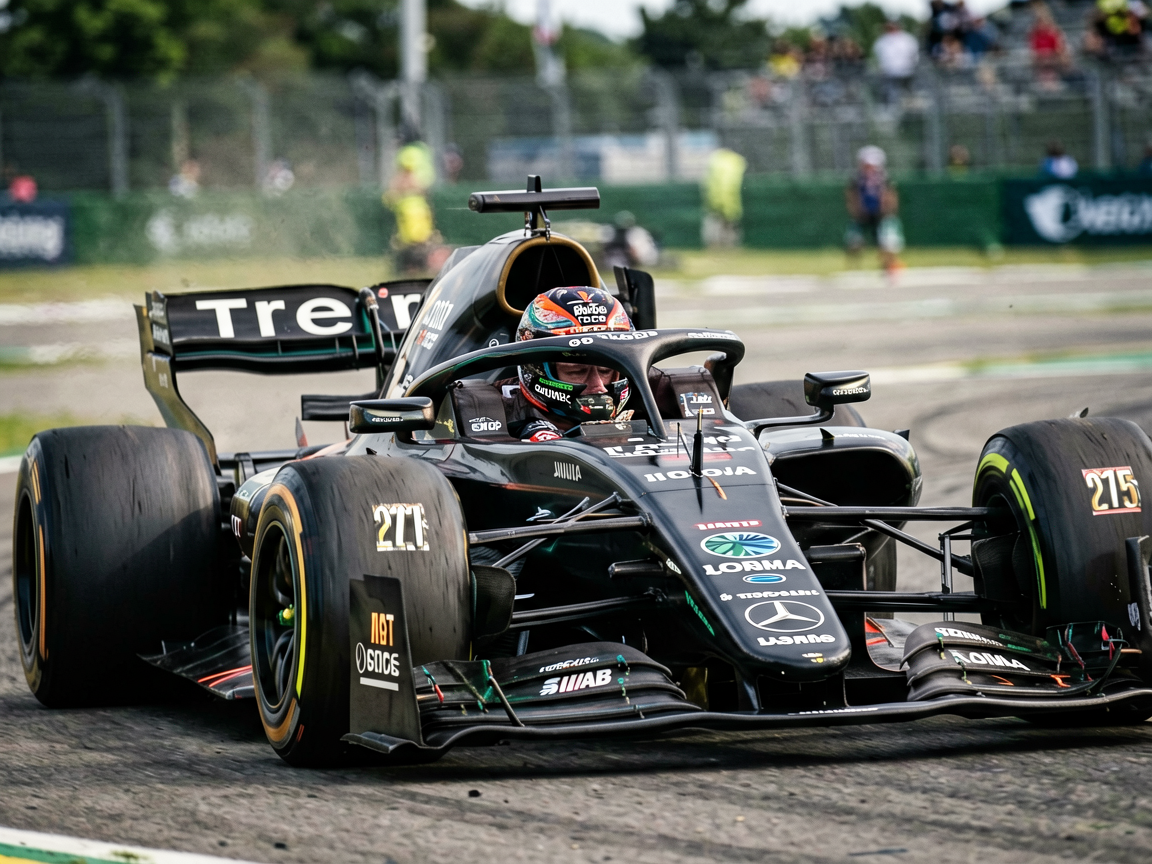
Jolyon Palmer exposes the tactical vulnerability threatening George Russell’s championship aspirations at Mercedes.

George Russell's Quiet Engineering Revolution Has Made Him a Title Threat
From Williams backmarker to Mercedes' technical linchpin, Russell's meticulous approach is reshaping his championship credentials.