Antonelli Dominates Austria FP1 as Mercedes Crush the Field
Kimi Antonelli toppled George Russell to lead a Mercedes 1-2 in Austria FP1, signaling a dramatic shift in the Spielberg pecking order.
Setting the Scene at Spielberg
The Styrian mountains provided a picturesque yet unforgiving backdrop as the Formula 1 paddock reconvened at the Red Bull Ring for the Austrian Grand Prix. Clear skies and track temperatures pushing 28 degrees Celsius greeted the teams for Free Practice 1, presenting an immediate demand on tire management and downforce configuration. The 4.318-kilometer circuit, with its notoriously short lap times and three designated DRS zones, promised tight margins from the outset. A stiff breeze added a layer of unpredictability through the high-speed Turns 1 and 3, where downforce scrub is heavily penalized. It was under these precise atmospheric conditions that Mercedes elected to roll the dice on a lower downforce rear wing configuration, prioritizing straight-line speed over corner stability.
The Rookie Statements
Andrea Kimi Antonelli did not merely dip his toes into the Austrian waters. He cannonballed into the deep end. The Italian teenager laid down a marker with a commanding 1:05.8 to top the timing sheets, besting his more experienced teammate George Russell by a margin of 0.124 seconds. This was not a lap flattered by track evolution or a tow down the long back straight. Antonelli found genuine pace in the high-speed transitions, carrying an astonishing amount of mid-corner speed through the right-left flick of Turns 6 and 7.
For a rookie still navigating the steep learning curve of his debut campaign, topping a session on a track where precision is paramount sends a strident message to the rest of the paddock. The Mercedes W15, often a diva in slow-speed mechanical grip, looked entirely compliant beneath him. Russell, typically the metronomic benchmark at Brackley, had to settle for second best on this occasion. His lap was clean, but lacking the aggressive entry rotation that Antonelli deployed to devastating effect through the final sector.
The Pursuit from Woking
Oscar Piastri anchored the top three for McLaren, a critical 0.267 seconds adrift of the sensational Antonelli benchmark. The Australian executed a meticulously structured run plan, focusing primarily on higher fuel loads before the late soft-tire qualifying simulations. However, when Piastri did unleash the Pirelli C4 red-walled rubber, the McLaren MCL38 exhibited a hint of rear instability under braking for the tight Turn 4 hairpin. In a lap where hundredths separate glory from mediocrity, that localized instability cost him a shot at challenging the Mercedes brace.
Lando Norris slotted into fourth, a further 0.131 seconds behind his McLaren stablemate. Norris spent the initial phase of the session complaining vociferously about downshift synchronization, a baffling technical hiccup that disrupted his braking references into the Turns 2 and 3 complexes.
Standings After FP1
- Kimi Antonelli (Mercedes) — 1:05.800
- George Russell (Mercedes) — +0.124s
- Oscar Piastri (McLaren) — +0.267s
- Lando Norris (McLaren) — +0.398s
- Max Verstappen (Red Bull) — +0.512s
Strategy Breakdown: The Pit Wall Calculus
Mercedes arrive in Austria with a very specific strategic framework. The Red Bull Ring brutally exposes power unit deficiencies, and the smooth asphalt layout minimizes the tire degradation that traditionally plagues the W15 on bumpier, high-energy circuits. Mercedes trackside engineering elected to begin FP1 with a heavier fuel load baseline, explicitly designed to simulate race-day degradation on the medium tire. But their raw qualifying pace on the soft compound was the real revelation.
By unlocking supreme mechanical grip in the slow-speed final two corners, Mercedes have neutralized their traditional Achilles heel. The strategy wall recognized that track position is king at Spielberg. The three DRS zones make overtaking somewhat straightforward, but the short lap punishes tire degradation heavily for any car running in dirty air. Mercedes therefore prioritized a low-drag, high-efficiency configuration that allows them to defend on the straights while preserving their rears in the turbulent wake.
McLaren, conversely, appeared to run a more conventional high-downforce setup. Their data from the pit wall suggests they are banking on wet weather or cooler conditions for Sunday, looking to nail tire temperatures on a heavier fuel load. Piastri reported minor graining on the left-front tire, a predictable consequence of the aggressive front-end locking they employ to rotate the car quickly.
The Red Bull Reality Check
For the home crowd, the timing monitors made for grim reading. Max Verstappen could only muster fifth, 0.512 seconds shy of Antonelli's blistering pace. The RB20 was visibly nervous over the Spielberg kerbs, a stark reversal of the compliant ride height characteristics that dominated the opening races of the season. Sergio Perez languished further down the order, battling severe brake locking that flat-spotted his soft tires mercifully early in the session.
Red Bull's pit wall was noticeably swift to switch both drivers onto heavy-fuel race sims, effectively abandoning their low-fuel quali runs after just two flying laps. The team radio was laced with corporate frustration. Ferrari, meanwhile, opted for a stealthy Friday, running extensive aero rakes in the early phase before bolting on mediums. They deliberately concealed their true soft-tire capability, leaving Charles Leclerc and Carlos Sainz well outside the top ten on the timesheets but sitting atop the long-run average charts.
Tire Compounds and the Qualifying Battleground
Pirelli have allocated the C3, C4, and C5 compounds for this weekend. The soft C5 rubber, unused in this session but available in the pool, is expected to be the de facto qualifying tire. However, history at the Red Bull Ring suggests that the C4 may offer a superior race-day window, avoiding the heavy graining witnessed on the softest compound in previous years. FP1 data already hints that the soft tire drops off by 0.8 seconds after just five high-fuel push laps, a terrifying deg curve that will force strategists into early pit windows on Sunday.
The Constructors' Championship Implications
While Friday practice rarely shifts actual championship points, the psychological advantage is tangible. Mercedes' resurgence, should it carry into qualifying, directly threatens the delicate balance of power in the Constructors' Championship. McLaren currently trail Red Bull by 38 points in the standings, while Mercedes sit a further 52 points adrift. A dominant Saturday and Sunday for the Silver Arrows would not only slash the deficit to Woking, but firmly re-establish their status as the second-fastest force on the grid. For a team that spent the first quarter of the season battling porpoising and correlation errors, a performance like this in Austria is a massive statement of intent.
For Antonelli personally, the momentum swing is invaluable. Every clean, fast lap he logs erases the narrative of rookie inconsistency. For Russell, it brings a different, colder pressure: a teenager is now legitimately staring him down in the same machinery. The Spielberg data is compelling, but the Austrian Grand Prix rewards consistency over a single lap. The real test arrives when the track rubbers in for FP2, and the engineers at Brackley and Woking begin the ruthless pursuit of qualifying supremacy.
Editorial Integrity
This is an original SportPulse article written by our editorial team. All content is independently researched, written, and reviewed by our writers and editors before publication. We do not publish copied, aggregated, or syndicated content.
SportPulse is committed to original sports journalism. Read our editorial policy or contact us with any questions.
More Like This
All f1
Red Bull's Spa Retreat: Why the Low-Downforce Wing Experiment Failed
After Verstappen's crashes, Red Bull reverts to a conventional rear wing in Spa, abandoning its aggressive drag-reduction experiment.
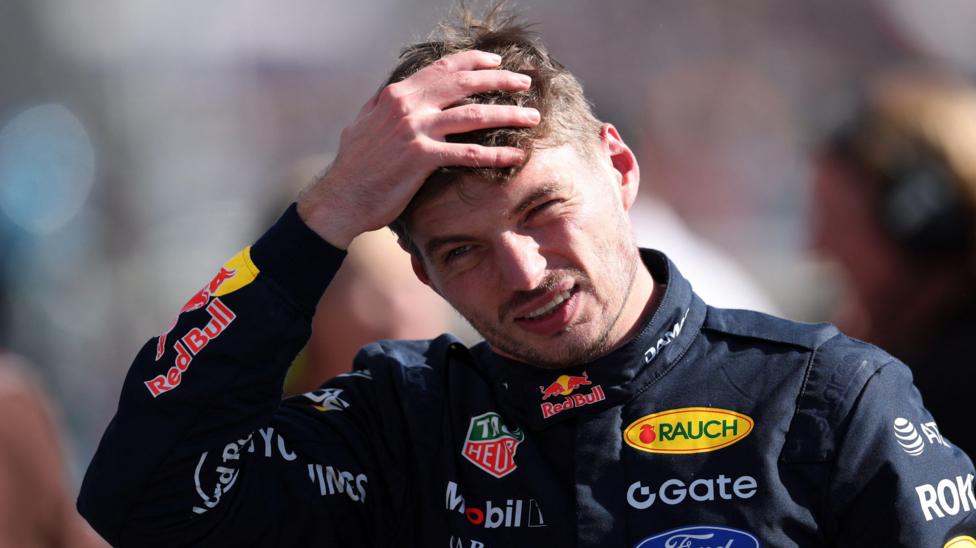
Verstappen Sounds Alarm: Red Bull's Rear Wing Failure 'Super-Dangerous'
Max Verstappen demands answers after a rear wing failure triggered crashes at two consecutive grands prix, raising serious safety red flags.
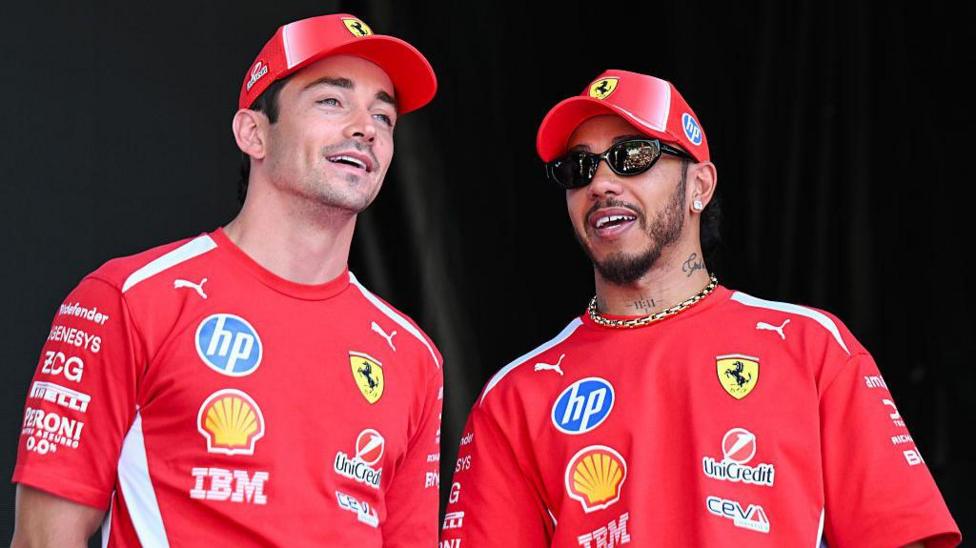
Leclerc's Decline Meets Hamilton's Renaissance in Barcelona's Rearview
Charles Leclerc's quiet slump and Lewis Hamilton's resurgence are F1's most fascinating mirror story this season.