Dmitriev Dies at 58: The Olympic Icon Who Defied Pairs Skating Logic
Artur Dmitriev, the only figure skater to win Olympic pairs gold with two different partners, has died at 58.
The quiet tragedy of pairs figure skating is that the sport rarely allows individual transcendence. You rise and fall entirely at the mercy of another's grip, another's blade, another's nerve. Break that bond, and the sport breaks you.
Artur Dmitriev stared down that doctrine and dismantled it entirely.
The Russian legend, who died Tuesday at age 58, achieved what no other pairs skater in Olympic history could claim. He stood atop the Winter Games podium twice, holding gold beside two completely different women. It remains, three decades later, one of the most staggering feats in the sport's deeply exacting history.
A Dynasty Forged on the Ice
To grasp the magnitude of Dmitriev's dual triumphs, you have to understand the architecture of Soviet and Russian pairs skating. This was not a discipline of individual brilliance patched together. It was a merciless, state-sponsored machine that chewed up partnerships and spat out perfection.
Coaches demanded telepathy. Partners trained together from childhood, their bodies calibrated like precision instruments. To sever that connection was considered career suicide. The establishment viewed switching partners the way classical musicians view swapping out a Stradivarius for a factory fiddle.
Dmitriev didn't just swap. He conquered.
First came the partnership with Natalia Mishkutenok, a union that electrified the 1992 Albertville Olympics. Their free skate to Beethoven's Symphony No. 7 wasn't merely technically superior. It wielded a devastating emotional heft. The crowd wept. The judges surrendered. The gold was theirs.
"When Artur lifted you, the arena disappeared. There was only the ice and the certainty that he would never let you fall."
But the relentless grind of elite skating takes its toll. By the mid-1990s, the Mishkutenok-Dmitriev partnership fractured. She stepped away from the amateur ranks. The machine demanded a resolution.
Most athletes in his position would have faded. A single Olympic gold already cemented legacy. Dmitriev chose the harder, almost irrational path. He started over.
The Impossible Reinvention
Enter Oksana Kazakova. A talented but unproven skater who had never sniffed the sport's highest altitude. Under the guidance of legendary coach Tamara Moskvina, Dmitriev began building a second championship foundation from the rubble of the first.
The task was staggering. Every lift, every throw, every synchronized step sequence had to be re-engineered. Muscle memory, forged over thousands of hours with Mishkutenok, had to be violently overwritten.
"People told me I was finished. That one gold was the limit. That I was too old, too rigid to adapt. I found a partner who was hungry enough to prove them wrong with me."
The 1998 Nagano Olympics became Dmitriev's ultimate proving ground. The Russian skating establishment remained deeply skeptical, but the veteran and his new partner delivered a performance of raw, visceral power. They didn't just win the 1998 Olympic gold. They issued a declaration that Dmitriev's brilliance was the constant, not the chemistry of a single partnership.
The Unique Record
- 1992 Albertville Olympics: Gold with Natalia Mishkutenok
- 1998 Nagano Olympics: Gold with Oksana Kazakova
- Only pairs skater in history to win Olympic gold with two different partners
- Coached by Tamara Moskvina, the architect behind both triumphs
The Anatomy of a Great Lift
Strip away the sequins and the soaring music, and pairs skating is a brutal negotiation of physics and trust. Dmitriev's genius lay in his mastery of the overhead lift. He possessed an innate understanding of leverage and balance that practically defied gravity.
With Mishkutenok, his style was sweeping and romantic, their programs moving like lush cinematic epics. With Kazakova, the aesthetic pivoted. It became sharp, athletic, aggressively powerful. He mirrored the strengths of the woman on his blade.
Statistically, the consistency required to peak at two separate Olympics with two different partners borders on the absurd. The typical Olympic champion in pairs enjoys a competitive window of maybe four to six years before age or injury forces retirement. Dmitriev stretched his dominance across an entire decade.
Behind the Legend
The commercial reality of Russian figure skating in the 1990s was brutal. State funding collapsed with the Soviet Union. Athletes relied heavily on prize money, show tours, and the sheer willpower of their coaching teams to stay afloat.
Dmitriev's longevity was not just physical. It was economic survival.
- 1992 World Championships: Gold (with Mishkutenok)
- 1996 Russian Nationals: Rebuilding phase with Kazakova
- 1998 European Championships: Gold, signaling the Olympic threat
Every professional endorsement, every exhibition tour funded the grueling training cycles that made the 1998 Nagano victory possible. Dmitriev was simultaneously a world-class athlete and a working professional navigating a shattered post-Soviet sports economy.
A Legacy Carved in Ice
News of Dmitriev's passing at 58 sent a profound shockwave through the figure skating community. He remained a fixture in Russian skating long after his competitive days ended, transitioning into coaching and mentoring the next generation.
His influence persists in the modern sport. Today's top Russian pairs skate with an aggression and athletic authority that traces directly back to the Dmitriev-Kazakova template. They are powerful, fast, and unapologetically bold.
The record he set, winning Olympic gold with two different partners, has been challenged but never broken. It stands as a monument to adaptability and relentless competitive fire.
"They said changing partners was impossible. Artur proved the impossible was just a starting point."
Dmitriev's death leaves a void in the sport's living history. He was the rare champion who refused to let a single moment define him. He built two completely separate dynasties on the most precarious surface in sports, and he stood alone on top of both.
Editorial Integrity
This is an original SportPulse article written by our editorial team. All content is independently researched, written, and reviewed by our writers and editors before publication. We do not publish copied, aggregated, or syndicated content.
SportPulse is committed to original sports journalism. Read our editorial policy or contact us with any questions.
More Like This
All long-reads
Cyborg's Last Stand: A Legend Bows Out Against Viera
Cris Cyborg's storied MMA career concludes on August 22 in a PFL title defense against Ketlen Viera.
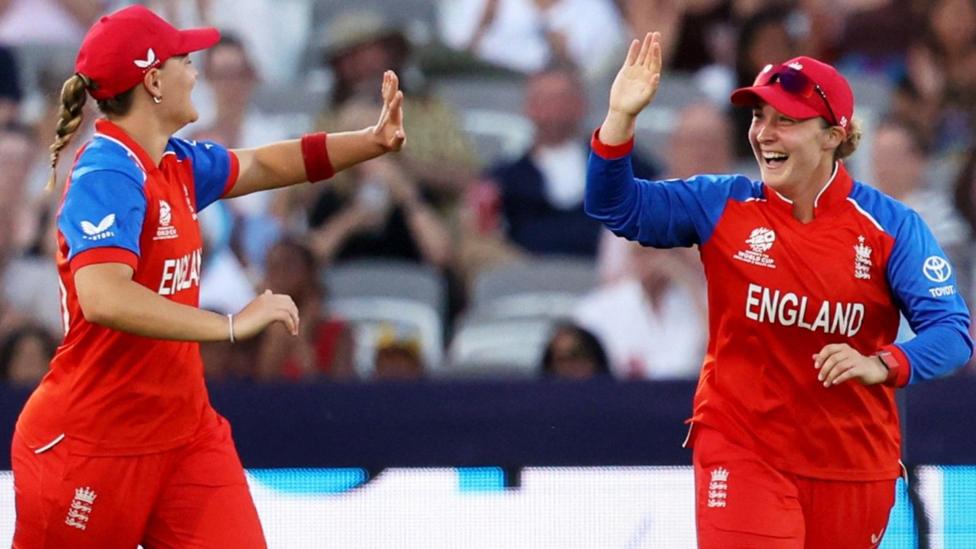
England's Fitness Revolution Is Rewriting Their T20 World Cup Script
Alice Capsey reveals how a relentless focus on fitness and fielding is fueling England's T20 World Cup resurgence.

ECB Blocks Lord's European T20 Final: A Shortsighted Power Play
The ECB is blocking Lord's from hosting a European T20 final, prioritizing control over the global growth of cricket.