Australia vs Egypt: World Cup Knockout Clash With Everything at Stake
Australia face Egypt in the World Cup 2026 last 32, a matchup pitting grit against pedigree at the knockout frontier.
Egypt Survive and Advance
Hossam Abdelmaguid puffed out his cheeks, steadied himself, began his run up with exaggerated slowness, checked and then sent Mat Ryan the wrong way. He ran off to the corner, ripping off his shirt, and was soon joined by an ecstatic posse of Egyptian players. Don't worry about the scrappy, largely formless game from which their joy stemmed. For the first time since 1934 when there were only 16 teams, Egypt are in the last 16 of the World Cup. At some level, football is always about the outcome; the process is just a footnote.
Penalties had seemed probable from the moment 10 minutes into the second half when Mohamed Hany headed into his own goal to level the scores. From that point on, neither side could find a winner, and the match drifted inexorably toward a shootout where Egypt held their nerve and Australia's goalkeeper gamble ultimately backfired.
Stage Set for Knockout Warfare
Australia and Egypt collided in the World Cup 2026 last 32, with kick-off scheduled for 1pm local time. That translated to 2pm EDT, 7pm BST, and a bleary-eyed 4am AEST for the Socceroos faithful back home. This was the knockout frontier, where a bad day ends a tournament on the spot.
The Socceroos survived Group D through sheer attrition, grinding out results against physically imposing opposition. Their campaign opener against a pre-tournament hipster pick set the tone with hard yards covered across every blade of grass. They faced an entirely different beast in Egypt, a nation that treats this sport as a religion.
How Australia Got Here
Progress from Group D was never going to be a procession, and Australia's route reflected a team built on collective resilience rather than individual brilliance. The opening fixture demanded everything from Graham Arnold's squad, requiring deep defensive shifts and relentless running to survive a side many had tipped as a dark horse. Those initial hard yards established a baseline of competitive intensity that carried through the group phase. Australia's midfield structure absorbing pressure and punishing the opposition in transition became the defining thread of their tournament so far.
The numbers behind their group stage campaign tell a story of controlled aggression rather than dominance. Australia covered more ground than any other team in Group D across the three fixtures. That statistical cornerstone mattered because it speaks to a tactical identity that does not waver under duress. Against Egypt's technically gifted attackers, that same lateral movement was tested to its absolute ceiling.
Egypt Threat
Egypt arrived at this World Cup with a point to prove after the heartbreak of missing out on recent global showpieces. The Pharaohs possess tournament pedigree that stretches back generations, and their squad composition blends domestic-based grit with European-refined quality. Their pathway through the group stage was marked by tactical discipline and moments of individual brilliance that can unhinge any defense.
The historical context between these nations added an edge of unpredictability to the matchup. Australia and Egypt have rarely crossed paths at this level. There is no deep-seated rivalry to reference, no recent competitive fixture to mine for psychological advantage. What exists instead is a clean slate, a neutral canvas where reputations are forged in real time.
Tactical Battleground
Arnold's system has evolved throughout this World Cup cycle into something that prioritizes defensive solidity above all else. The back four was protected by a double pivot that screens passing lanes with remarkable discipline. Fullbacks were not asked to bomb forward relentlessly, instead tucking in to create a defensive block. This conservative approach frustrates possession-heavy teams and creates platforms for counter-attacks led by Australia's pace merchants.
Egypt prioritized their attacking trident, looking to overload the half-spaces where Australian wide midfielders operate. The Pharaohs' build-up play tended to target the right channel, using intricate combinations to pull defenders out of position. Arnold had days to prepare for these patterns, drilling his midfield to collapse into those danger zones without surrendering the central corridor. The tactical chess match in the engine room ultimately determined who advanced to the last 16.
Inside the Dressing Rooms
The atmosphere in the Australian changing room before kickoff was captured in the moments before players headed down the tunnel. Players sat with headphones on, some staring at tactical notes scribbled on whiteboards, the silence punctuated only by the distant hum of an expectant crowd filtering into the stadium. Arnold moved between individuals, delivering quiet words to specific players. At his final address, the room stood as one, voices rising in a guttural roar that echoed through the concrete corridors, a reminder that collective spirit remains this team's most potent weapon.
On the opposing side, the Egyptian coaching staff had their final preparations laid out on a tactics board, with emphasis on pressing triggers and transitional phases. The air carried the scent of analgesic cream and adrenaline, a cocktail familiar to anyone who has stood within earshot of a World Cup dressing room. For both sets of players, the stakes were written across every face. This is the stage where careers are defined and where legends are born in fleeting moments of brilliance or catastrophic error.
The Stakes
Reaching the last 16 would have represented another significant milestone in Australian football's seemingly inexorable rise on the global stage. The Socceroos have long since shed the tag of easy opposition, establishing themselves as a competitive international force capable of punishing complacency. A victory over Egypt would have sent a statement to the remaining tournament field that this Australian squad possesses depth and character to match any side left standing.
For Egypt, advancement is almost more profound given their tortuous World Cup history. The Pharaohs have endured agonizing near misses and tournament absences that left a football-mad nation starving for global representation. Their fan base traveled in impressive numbers, bringing noise and color to every stadium they have graced. A deep run at World Cup 2026 cements a golden generation's legacy.
What to Watch
The midfield battle was decided by Australian legs and Egyptian guile. Aaron Mooy was the creative fulcrum for the Socceroos, his passing range stretching defenses and creating pockets of space for forwards to exploit. Egypt looked to nullify his influence by deploying tight man-marking assignments, forcing Australia to find alternative routes into the final third.
On the Egyptian side, the question revolved around whether their marquee attackers could break through Australia's yellow wall. The Pharaohs needed their forward line to be clinical with limited opportunities, because the Socceroos did not surrender many clear sights of goal. Set pieces were always likely to decide this match. Both teams boast aerial threats and spend considerable time on dead-ball routines — and indeed it was from such a scenario that the own goal turned the game.
What It Means
Egypt advance to a World Cup last 16 that promises to test every ounce of squad depth and tactical flexibility. For Australia, progression would have vindicated a tournament build-up focused on conditioning, defensive structure, and belief that system trumps stardust. Instead, their tournament ends in cruel shootout fashion. For Egypt, it validates a footballing culture that has endured decades of frustration and heartbreak on the international stage.
This was the knockout phase, where narratives are written in finality. There were no second chances, no room for cautious reflection, and no opportunity to correct course. 90 minutes — and then penalties — separated one side from glory and the other from the long flight home. The football world watched as the whistle blew at 1pm local time, and it was Egypt who celebrated when the final kick was taken.
Updated: 2026-07-03 — Match report added with penalty shootout result, Egypt advancing to last 16, and Mohamed Hany's second-half own goal.
Editorial Integrity
This is an original SportPulse article written by our editorial team. All content is independently researched, written, and reviewed by our writers and editors before publication. We do not publish copied, aggregated, or syndicated content.
SportPulse is committed to original sports journalism. Read our editorial policy or contact us with any questions.
More Like This
All football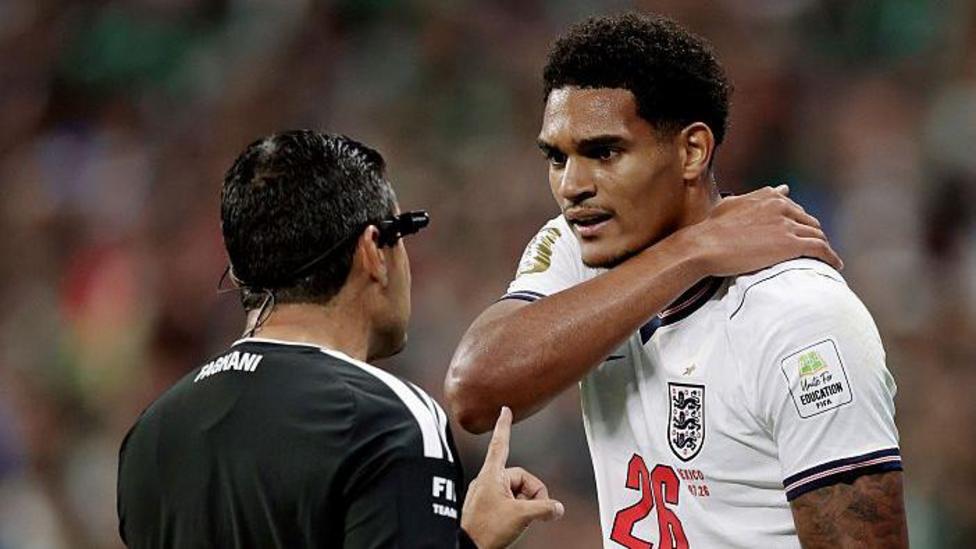
Quansah Red Card Sparks FA Appeal Debate Amid Tactical Fallout
England's defensive structure unravels after Quansah's dismissal, forcing Southgate into emergency tactical recalibration against Mexico.
Villa Slapped With £19.4M Uefa Fine Over Squad-Cost Breach
Aston Villa among four Premier League clubs penalised by Uefa as financial crackdown intensifies across English football.
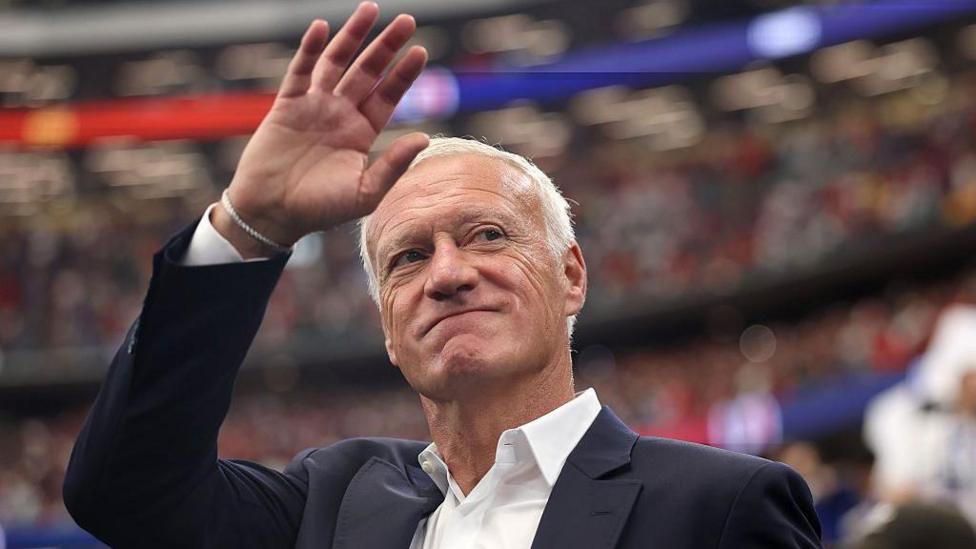
The Deschamps Era Ends Not in Glory but in Consolidation
France's World Cup ends in a third-place play-off, a fitting symbol of Deschamps' later years: pragmatic, joyless, effective.