Scorching Spielberg: Why the Austrian GP's Heat-Hazard Declaration Changes Everything
The FIA's heat-hazard classification at the Austrian GP forces teams to rethink strategy, driver cooling, and tire management entirely.
The Heat Is On — Literally
The FIA has officially declared this weekend's Austrian Grand Prix a heat-hazard race, the first time this classification has been used this season. It is a regulatory signal that forces every team on the grid to activate specific protocols, rethink race-day logistics, and confront a variable that has historically turned the scenic Red Bull Ring into a mechanical and human crucible.
For fans tuning in expecting the usual Spielberg spectacle of elevation changes and late-braking heroics, the real drama might unfold in the cockpit — where cockpit temperatures can exceed 60°C and driver heart rates routinely push past 170 bpm during sustained green-flag running.
What "Heat Hazard" Actually Means
Under Appendix H of the FIA's International Sporting Code, a heat-hazard designation is triggered when ambient temperatures are forecast to exceed 31°C at any point during the race weekend. The race director, Rui Marques, confirmed the official weather service forecasts temperatures in excess of 31C during the race. Once activated, it is not a suggestion. It is a binding regulatory framework.
The practical consequences are significant:
- Driver cooling mandates: Teams must fit a driver cooling system, such as a liquid-cooled vest. Drivers are not obliged to use them, but if they choose not to, they can incur a ballast penalty instead.
- Pirelli tire pressure adjustments: The FIA and Pirelli may increase minimum starting tire pressures to account for thermal degradation risks.
- Modified parc fermé windows: Engineers get marginally more flexibility to adjust cooling configurations without incurring penalties.
- Medical team standby elevation: Additional medical protocols are activated, with closer monitoring of driver biometrics via the mandatory FIA-approved biometric gloves.
This is not ceremonial. At the 2022 Austrian Grand Prix, several drivers reported near-blackout conditions during the final stint. Esteban Ocon was visibly distressed on the cool-down lap. Lance Stroll described the cockpit as "unbearable" in post-race interviews. The heat-hazard framework exists because F1 learned, the hard way, that pushing athletes to their physiological limits in sealed carbon-fiber ovens demands institutional safeguards.
The Red Bull Ring: A Unique Thermal Trap
Spielberg's altitude — the circuit sits at roughly 680 meters above sea level — creates a deceptive microclimate. The thinner air at elevation means less convective cooling for both the power unit and the driver. Combine that with Austria's continental summer, where afternoon temperatures in the Styrian valley can spike dramatically, and you have a circuit that punishes heat management failures more aggressively than most venues on the calendar.
The track's layout compounds the problem. At just 4.318 kilometers, it is one of the shortest circuits in F1, but it demands relentless aggression. There are only 10 turns, and the lap time hovers around 1:05 to 1:07, meaning drivers are on the gas almost continuously. Minimal rest sectors mean minimal opportunity for cockpit temperatures to drop.
Red Bull Ring's long straights — particularly the run from Turn 1 to Turn 3 and the DRS zone approaching Turn 4 — generate enormous aerodynamic drag loads that heat brake ducts and radiators. The uphill sections load the engine harder. By lap 20 of a 71-lap race, thermal management becomes a primary strategic concern, not an afterthought.
Tire Strategy: Where the Race Will Be Won or Lost
Pirelli's allocation for the Austrian Grand Prix typically ranges from the C3 (hard) to C5 (soft) compound, and heat-hazard conditions push tire degradation into a completely different analytical framework.
In standard conditions, a one-stop strategy — usually medium to hard — is the default at Spielberg. But when track temperatures breach 50°C, which they almost certainly will this weekend, the soft compound's degradation curve steepens dramatically. Lap times on the soft can fall off by as much as 1.5 to 2 seconds within a 12-to-15-lap window, making aggressive soft-start strategies a high-risk gamble.
Historical data supports this concern. In the 2023 Austrian Sprint Race, held in similarly hot conditions, tire blistering was visible on several cars by lap 15, and the pace differential between fresh and degraded rubber was among the largest of the season. Teams that attempted aggressive soft-running strategies were punished. Those who committed to medium-hard two-stop approaches gained positions in the closing laps.
The wildcard this year is the 2024-spec Pirelli construction, which features a slightly stiffer sidewall designed to reduce overheating. Whether that construction holds up under Spielberg's extreme thermal load remains one of the weekend's most critical unknowns.
The Bottom Line
Expect at least two stops for the majority of the grid. A three-stop strategy is not out of the question if track temperatures push past 55°C. Teams with superior out-lap pace — those who can bring tires into the optimal window quickly — will hold a decisive advantage in the traffic-congested midfield.
Driver Fitness: The Invisible Advantage
F1 drivers are elite endurance athletes, but heat tolerance varies enormously from individual to individual, and it is not always correlated with overall fitness. Core body temperatures during a hot-weather race can reach 39°C or higher, triggering cognitive decline, reduced reaction times, and muscle fatigue.
The drivers most likely to benefit from a heat-hazard scenario are those with documented heat acclimatization programs. Max Verstappen, racing on home soil at a track owned by his team's parent company, has historically performed well in hot conditions — his 2023 Austrian Grand Prix victory came in sweltering heat, and he showed no visible signs of fatigue in the closing laps. His training base in Monaco provides year-round warm-weather preparation.
Conversely, drivers who have struggled in extreme heat in recent seasons will face additional scrutiny. The human factor, often overlooked in an era dominated by aerodynamic and power-unit analysis, could be the differentiator on Sunday.
"You can have the best car on the grid, but if your body shuts down in the last 10 laps, none of that matters." — A recurring sentiment among F1 performance coaches when discussing heat-hazard races.
Cooling Packages: The Technical Arms Race
Every team arrives at Spielberg with a bespoke cooling package — larger brake duct inlets, modified sidepod exits, and sometimes a higher-drag rear wing configuration that prioritizes airflow through the car's internals over raw downforce.
The trade-off is well understood: more cooling means more drag, which means slower straight-line speed. At the Red Bull Ring, where the three DRS zones make top speed a decisive overtaking weapon, teams face a genuine dilemma. Run the car "cooler" and sacrifice lap time? Or run it "tight" and risk power-unit overheating under the sustained load of a 71-lap race?
McLaren and Ferrari have historically opted for aggressive cooling solutions at Spielberg, accepting the drag penalty in exchange for thermal reliability. Mercedes, by contrast, has tended to run tighter packaging, banking on their power unit's thermal efficiency. That approach has delivered mixed results — brilliant on days when the temperatures cooperate, catastrophic when they do not.
This year's heat-hazard declaration may force Mercedes to rethink their default setup philosophy. Running tight cooling in 31°C+ ambient conditions is a calculated risk that could cost them a podium if a late-race safety car bunches the field and demands a sprint finish.
The Bottom Line
Watch the free practice sessions closely. Any team that runs oversized cooling in FP1 and then scales back for qualifying is signaling confidence in their thermal model. Any team that increases cooling between FP3 and the race is reacting to data they did not like.
Championship Implications
Heat-hazard races are equalizers in one crucial respect: they punish mechanical fragility. A car that is borderline on reliability in temperate conditions can become a retirement risk when ambient temperatures spike by 10 degrees. For teams in the tight constructors' battle, a double DNF due to overheating would be devastating.
The midfield fight is equally affected. Aston Martin, Alpine, and Haas all run customer power units with varying cooling architectures. A heat-induced PU failure at Spielberg could swing the constructors' standings by a meaningful margin, particularly if the team in question scores zero points while a direct rival capitalizes.
What to Watch This Weekend
- FP2 long-run pace: The only session that genuinely simulates race conditions. Look for lap-time degradation curves on the medium compound.
- Pit wall radio chatter: Engineers will be monitoring brake and coolant temperatures in real time. Any driver told to "lift and coast" in practice is a red flag for race-day thermal management.
- Post-qualifying tire choices: If the top 10 opts for mediums over softs for the race start, it tells you the teams expect the softs to be a liability.
- Driver weigh-in data: F1 drivers lose an average of 2 to 3 kilograms of body weight through sweat in hot races. Starting hydration levels matter.
The Verdict
The heat-hazard declaration transforms the Austrian Grand Prix from a straightforward sprint into a war of attrition. The teams that have invested in thermal simulation, driver acclimatization, and flexible cooling configurations will thrive. Those that treat this as a standard race weekend will pay the price in the final 15 laps, when the cockpit becomes an oven and the tires fall off a cliff.
Spielberg has always rewarded the brave. This weekend, it will reward the prepared.
Updated: 2026-06-25 — Added specific temperature threshold (31°C), clarified mandatory cooling systems and the ballast penalty alternative.
Editorial Integrity
This is an original SportPulse article written by our editorial team. All content is independently researched, written, and reviewed by our writers and editors before publication. We do not publish copied, aggregated, or syndicated content.
SportPulse is committed to original sports journalism. Read our editorial policy or contact us with any questions.
More Like This
All f1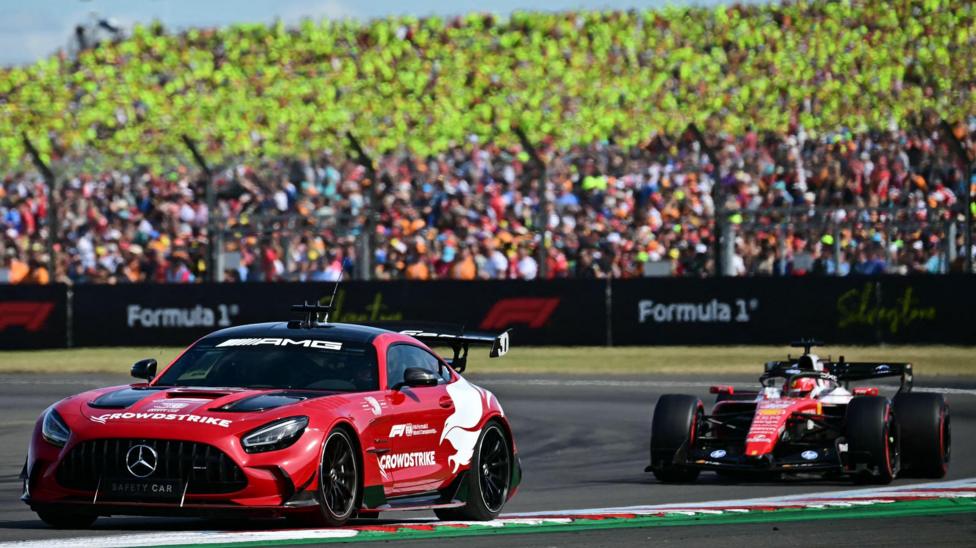
Silverstone Safety Car Chaos: Why Protocol trumped Racing
The British GP ended under safety car because F1's revised restart protocol prioritized procedural compliance over spectacle, exposing a structural flaw.
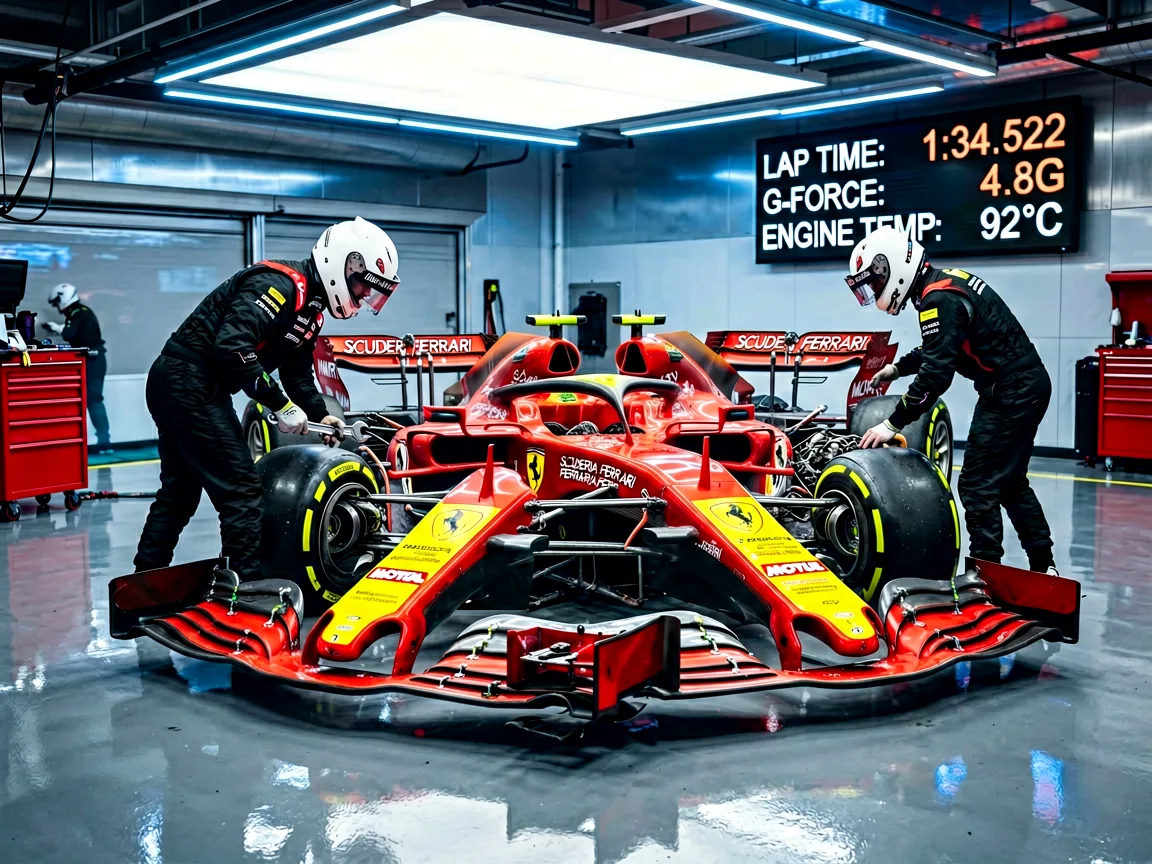
Leclerc Backs Vasseur As Ferrari Navigate Budget Cap Development War
Charles Leclerc trusts Frederic Vasseur to keep Ferrari developing under budget cap constraints as the 2024 development race intensifies.
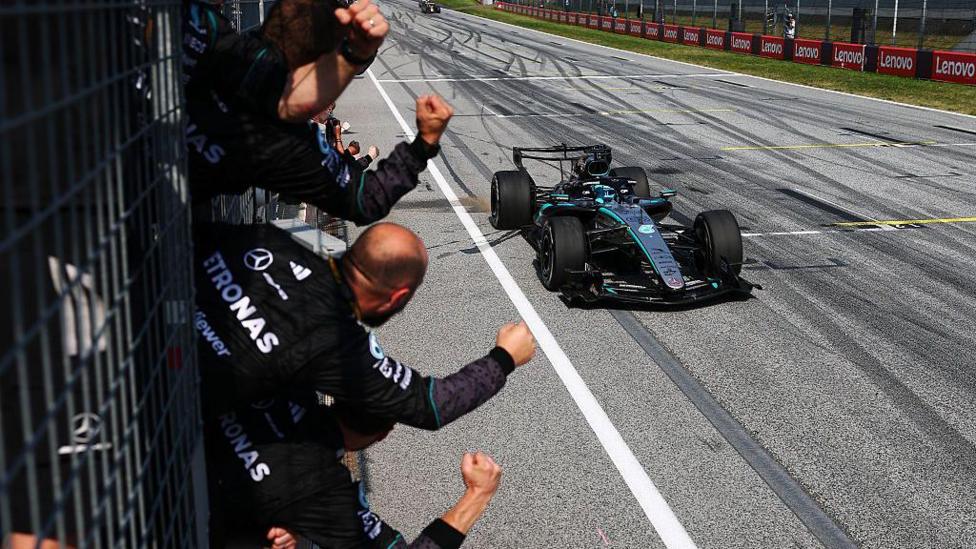
Russell Holds Nerve to Conquer Austria as Verstappen Rages
George Russell survives a ferocious late assault from Max Verstappen to deliver Mercedes a statement victory at the Red Bull Ring.