Austrian GP In-Race Betting: Red Bull Ring Pressure Cooker
The Red Bull Ring demands instant reactions from drivers and bettors alike as short lap gaps create a live-betting pressure cooker.
Lights Out, Markets Live
The five red lights illuminate the Spielberg skyline. Seconds feel like hours. When they go out, the launch window slams shut in the blink of an eye. Turn 1 at the Red Bull Ring is a砸-corner vortex, and the first lap chaos is where instant in-race fortunes are made and lost.
Austria is not a race for the patient. With a lap time pushing the 63-second barrier, the pack stays concertinaed. DRS trains form by lap two. The margins are microscopic, and the live betting markets shift faster than a bolt-changing pit stop. When the lights go out in Austria, bettors must be locked in from the moment the clutch drops.
This is the ultimate high-octane in-race betting playground. Short laps. High speeds. Punishing walls. If you blink, you miss the move that crashes your ticket or cashes your slip.
The Spielberg Slaughter: Why Austria Delivers Live Chaos
The Red Bull Ring is a 4.318-kilometer sting in the tail. It looks picturesque nestled in the Styrian mountains, but the layout is a brutal, high-speed ambush. Three long straights feed into heavy braking zones. Turn 3 and Turn 4 are prime real estate for late dive-bombs.
Because the lap is so short, the grid stacks up like a freeway at rush hour. A 0.5-second gap in qualifying can be the difference between P4 and P9. Come race day, that tight bunching guarantees one thing: persistent, high-speed pressure.
For in-race bettors, this translates directly into volatility. A leading car hitting a 0.3-second flap failure on the rear wing can drop four places in a single lap. The market swings are violent. If you are watching the telemetry or noticing a driver struggling off the racing line, you have a two-lap window to hammer the live market before the sportsbooks adjust the algorithm.
The DRS Stampede
- Three DRS zones on this circuit create a slipstream weapon unlike any other venue on the calendar.
- A car with +3 km/h top-speed advantage in the tow is virtually unstoppable into Turn 3.
- Late-race DRS trains often produce five-wide moments into Turn 1, wiping out stable bets in a shower of carbon fiber.
The Pit Window Trigger
Green flag pit stops at the Red Bull Ring are a 2.3-second exercise in controlled chaos. But the undercut here is a notorious race-winner. The track position advantage is massive, but the tire degradation on the softer compounds is equally savage.
Pirelli traditionally brings the three softest compounds in the range. The thermal degradation on these tires is vicious, especially through the high-speed Turns 9 and 10. When a driver starts losing 0.2 seconds of lap pace, the pit wall acts immediately.
Pitting one lap earlier than the car ahead can yield a 2.5-second track position swing by the time the rival emerges from the pits. For the sharp in-race bettor, the warning signs are visible on the broadcast a full lap before the pit crew even touches the tire guns.
Watch the mid-field battle. If a driver is defending hard into Turn 4, their rear tires are cooking. By the time they reach the main straight, the pace drops. That is the trigger. The live market might still price them to hold position. That is the edge.
Live Markets To Target When The Grid Lines Up
The standard win market is often locked down early by the dominant team, but Austria offers a feast of high-value alternative lines for the real-time player.
Head-to-Head Matchups
Forget the podium. The real money in Austria is in the mid-field head-to-heads. Look for the duels where a faster car is stuck behind a slower one due to Saturday grid penalties. The short lap punishes following in dirty air. Once the trailing car finally clears the traffic, their pace advantage explodes. Live-betting the overtake timing is pure profit.
Point Finish Lines
Cars that start outside the top 10 regularly score points here. The sheer volume of Safety Cars, triggered by the unforgiving exit roads at Turns 3 and 4, reshuffles the deck constantly. If a midfield runner survives the first-lap melee, betting them into the points during an early-race VSC (Virtual Safety Car) is a high-yield move.
Safety Car Deployment
Speaking of the VSC, this is the pivot point. The over 1.5 Safety Car deployments line is consistently beaten at this circuit. The狭窄 track leaves zero room for error, and an off-track excursion usually results in a gravel trap termination. Live bettors should immediately back the next leader to pit under yellow, as track position is everything.
The Driver Reaction Factor
Pressure makes diamonds, but it also shatters glass. The Austrian Grand Prix is won and lost in the driver's mindset as much as the car's aerodynamics.
"You are never safe here. The gap is always shrinking. You make one mistake and suddenly the entire field is in your mirrors. You just have to keep pushing, keep pushing."
This pressure creates psychological breaks. A driver defending on worn soft tires will eventually crack under intense DRS pressure. The smart in-race bettor tracks the gaps on the timing screen, watching for the driver ahead to lose rear grip. Once the gap drops from 1.2 seconds to 0.8 seconds, the pass is usually a formality within two laps.
Race Verdict
Race MVP: The Pit Wall Strategist. In a race where tire degradation, track position, and Safety Car timing intersect, the brain trust on the pit wall dictates the outcome. A bold undercut call wins this race.
Biggest Disappointment: Any driver starting in the top six who opts for a conservative long-first-stint strategy. The data from recent years proves decisively that trying to offset track position at this venue is a mathematical death sentence.
Championship Picture
Every position is a knife fight at the Red Bull Ring, and the fastest lap bonus point will be fought for until the final tour. With the margins so tight, expect the constructor standings to shift by three to five points depending on mid-field attrition. A double-podium for the championship leaders expands the gap, but a DNF in the Turn 1 melee instantly tightens the noose heading to Silverstone. Track position is king. The standings after Sunday will reflect exactly who maximized the chaos.
Final Classification Patterns (Historical Austria Trends)
- Pole Position Winner Conversion: High, but often under intense pressure requiring late-race tire management.
- Most Positions Gained: Typically from P10-P12 starters on medium tires exploiting early pit stops.
- Highest DNF Probability: The opening lap. Carnage at Turn 3 accounts for over 40% of first-lap retirements.
Editorial Integrity
This is an original SportPulse article written by our editorial team. All content is independently researched, written, and reviewed by our writers and editors before publication. We do not publish copied, aggregated, or syndicated content.
SportPulse is committed to original sports journalism. Read our editorial policy or contact us with any questions.
More Like This
All f1
Altitude and Attitude: The High-Stakes Physics of Spielberg
At 700 meters above sea level, the Austrian GP is where engineering meets psychology.
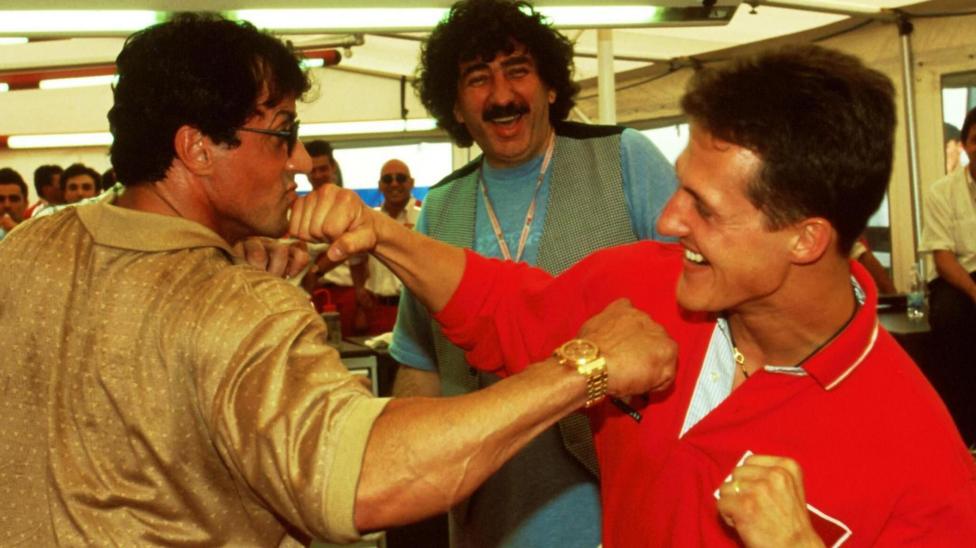
Monaco Magic: Classic Images Paint F1's Glamorous History
A look back at the iconic Monaco Grand Prix through historic images from 1950 to today.
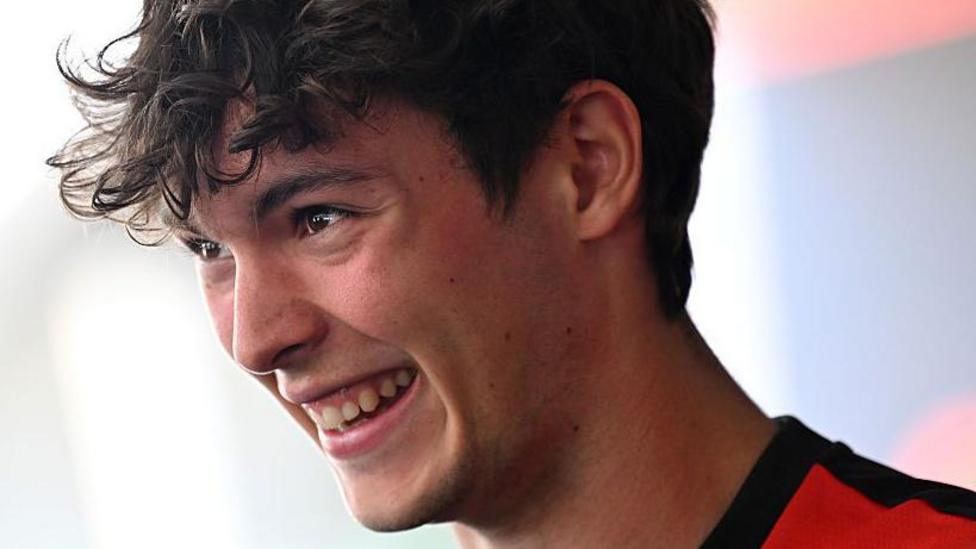
Bearman Chases Antonelli: Haas Tech Meets Silverstone Pressure
Ollie Bearman returns to Silverstone chasing Kimi Antonelli, but Haas's **aero platform** upgrades may define his home Grand Prix.