Backstedt Targets Tour de France Femmes After Stunning British Double
Zoe Backstedt's domination of the British Road Championships signals a generational talent ready for cycling's biggest stage.
A Prodigy Steps Into the Light
The question surrounding Zoe Backstedt has never been if, but when. At just 20 years old, the Welsh-born rider has spent the better part of her career collecting age-group world titles like others collect participation medals. Junior world champion on the road. Junior world champion on the track. Junior world champion in cyclocross. Each discipline a different test, each victory a reminder that Backstedt doesn't just ride bikes. She solves them.
Now, after an "incredible" double title-winning performance at the British Road Championships, Backstedt has made her next ambition unmistakably clear: she wants to ride her first Tour de France Femmes this August. It's not a tentative hope or a long-term dream. It's the logical next step for an athlete who has outgrown every category she's entered.
The British Championships: A Statement Performance
Winning one national title is difficult. Winning two in the space of a single championship week is the kind of performance that recalibrates expectations. Backstedt's double at the British Road Championships wasn't just about crossing the line first. It was about the manner in which she controlled races, the tactical maturity that belied her age, and the physical authority she imposed on fields containing seasoned professionals with years of WorldTour experience.
The British national championships have historically served as a proving ground for the country's most promising riders. Lizzie Deignan used them as a springboard. Tom Pidcock announced himself through them. Backstedt's double carries a similar weight, a declaration that she is no longer the future of British cycling but increasingly its present.
What made the performances particularly striking was their versatility. A national title on the road demands endurance, positioning, and racecraft. The second title demanded a different kind of intelligence, a willingness to read the race differently. Backstedt's ability to switch between those modes within days suggests a rider whose ceiling remains far above her current position.
The Tour de France Femmes: Why Now?
The Tour de France Femmes has rapidly established itself as the pinnacle event in women's road cycling since its revival in 2022. Now entering its fourth edition, the race has grown in prestige, difficulty, and global attention. For any aspiring stage racer, it is the benchmark. For Backstedt, it represents something more specific: an opportunity to test herself against the very best over multiple days in a format that rewards consistency as much as explosive power.
Her team, Canyon//SRAM Racing, operates at the highest level of women's professional cycling and has built a roster designed for general classification ambition at major tours. The question of whether Backstedt will be selected is not merely about talent. It's about whether the team believes her development trajectory supports the physical and psychological demands of a Grand Tour at this stage of her career.
The evidence increasingly suggests it does. Backstedt has been gradually increasing her road racing commitments, transitioning from a rider whose reputation was built primarily on track and cyclocross achievements into one who can hold her own in the peloton's most demanding environments. The British double confirms that transition is accelerating.
A Family Legacy on Two Wheels
It would be impossible to discuss Zoe Backstedt without acknowledging the surname. Her father, Magnus Backstedt, won Paris-Roubaix in 2004, one of cycling's five Monuments and arguably the most brutal one-day race on the calendar. That victory remains a defining moment in Swedish cycling history, and the family's connection to the sport runs deeper than genetics.
Growing up in a household where professional cycling wasn't an abstract concept but a lived reality gave Zoe an advantage that statistics can't quantify. Understanding the rhythms of a peloton, the mental arithmetic of a breakaway, the way a body responds to sustained suffering over five or six hours. These are things absorbed through proximity, through dinner conversations and training rides with a father who knew what it took to win at the highest level.
Yet Zoe has never been content to trade on her father's reputation. Her junior palmares stand entirely on their own merits, and her transition to the senior ranks has been methodical rather than rushed. Where some riders with famous parents have been pushed too quickly into the spotlight and burned out, Backstedt's development has been carefully managed, each step building on the last.
"An incredible week. I'm just happy with how everything came together." — Zoe Backstedt on her British Championships double
Tactical Shift: How Backstedt Reads a Race
What separates elite riders from very good ones often isn't watts per kilogram or VO2 max numbers. It's decision-making under pressure. Backstedt's performances at the British Championships revealed a rider who consistently made the right choice at the right moment.
In road cycling, timing is everything. Attack too early and you burn matches that won't replenish. Attack too late and the peloton swallows you whole. The window between those outcomes can be measured in seconds, and navigating it requires a combination of physical readiness and intuitive racecraft that most riders spend entire careers trying to master.
Backstedt's approach to racing draws from her multi-discipline background. Cyclocross taught her how to suffer in short, explosive efforts and recover quickly. Track cycling gave her the ability to read pace changes instantly and respond without hesitation. Road racing, the newest addition to her competitive toolkit, provides the canvas on which those skills combine over distances that test everything.
This versatility makes her particularly dangerous in stage races. A Grand Tour isn't won on a single climb or a single time trial. It's won through accumulated intelligence across days of racing, through knowing when to conserve and when to commit. Backstedt's instinctive understanding of those dynamics could prove her greatest asset if she lines up at the Tour de France Femmes.
The Bigger Picture: Women's Cycling's New Generation
Backstedt's emergence arrives at a pivotal moment for women's professional cycling. The sport has experienced unprecedented growth over the past five years, with increased prize money, longer race calendars, and greater media visibility. The Tour de France Femmes itself is a symbol of that progress, a race that didn't exist in its current form three years ago and is now the sport's flagship event.
Within this expanding landscape, a new generation of riders is beginning to assert itself. Shirin van Anrooij, Fem van Empel, and Puck Pieterse have all made the transition from junior dominance to senior success, each bringing different strengths to the professional peloton. Backstedt belongs in this conversation, and her decision to target the Tour de France Femmes suggests she's ready to accelerate that timeline.
The depth of talent in women's cycling has never been greater. Riders like Demi Vollering, Lotte Kopecky, and Kasia Niewiadoma set a high bar for anyone hoping to compete for general classification at a Grand Tour. Backstedt isn't expected to challenge for the overall standings immediately. But her presence in the race would signal intent, a willingness to learn on the biggest stage rather than waiting for conditions to be perfect.
What's Next: Development and Selection
The road to the Tour de France Femmes in August isn't straightforward. Canyon//SRAM will need to assess Backstedt's fitness, form, and readiness against the demands of a race that features significant mountain stages and requires sustained performance over eight days. National championship victories, however impressive, operate in a different context than a Grand Tour.
Expect to see Backstedt targeted at key build-up races in the coming weeks, events that will test her stage racing credentials and give the team's sports directors a clearer picture of where she stands relative to her teammates. Race selection in women's cycling is a delicate balance, and the team will want to ensure that putting Backstedt in the Tour de France Femmes benefits both her development and the squad's competitive objectives.
If she gets the call, don't expect fireworks on every stage. Expect a rider learning the rhythms of Grand Tour racing, absorbing information, and building toward a future where she isn't merely participating but contending. Zoe Backstedt has spent her career proving that her best performances come when the stakes are highest. The Tour de France Femmes offers the highest stakes of all.
The question has never been if. After her British Championships double, when looks very much like August.
Editorial Integrity
This is an original SportPulse article written by our editorial team. All content is independently researched, written, and reviewed by our writers and editors before publication. We do not publish copied, aggregated, or syndicated content.
SportPulse is committed to original sports journalism. Read our editorial policy or contact us with any questions.
More Like This
All long-reads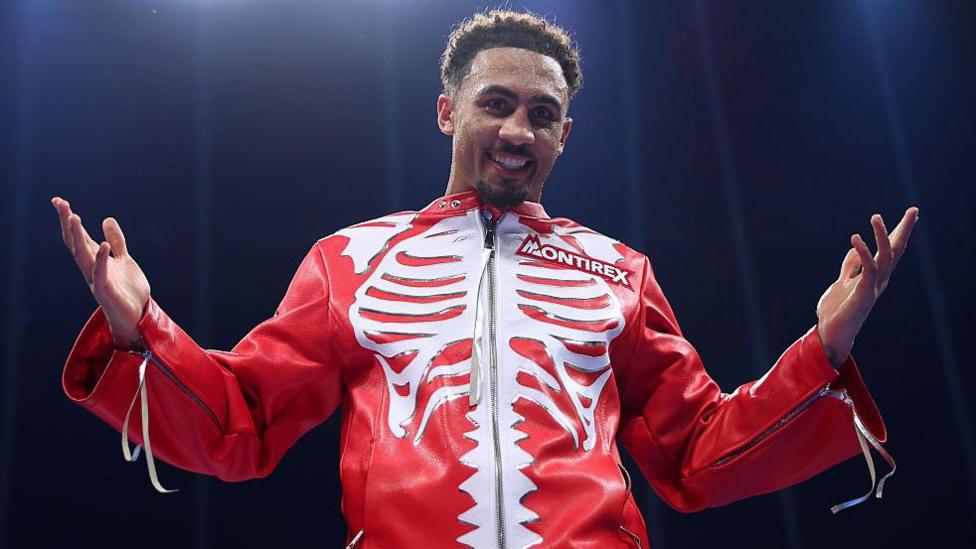
Ben Whittaker's American Dream Is Built on Mayweather Swagger and Sitcom Grit
British light-heavyweight Ben Whittaker is chasing US stardom, drawing inspiration from Floyd Mayweather and Everybody Hates Chris.
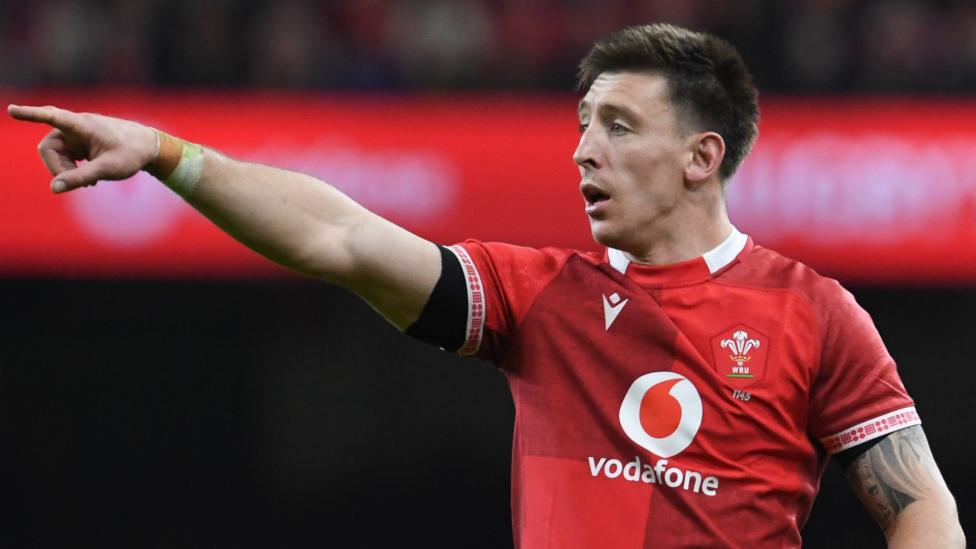
Wales Seek Redemption in Southern Hemisphere Tour
Josh Adams believes Wales' mini-revival can erase November's southern hemisphere humiliation when they face Argentina and South Africa.
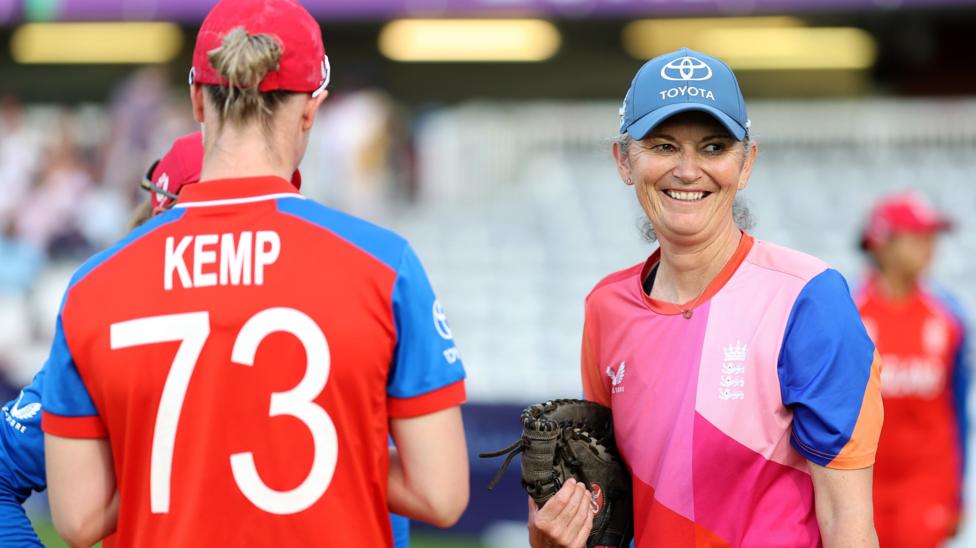
Never More Confident: Edwards Sends Warning Shot From England's Camp
Charlotte Edwards declares England have never been more confident heading into a World Cup semi-final.