Ben Whittaker's American Dream Is Built on Mayweather Swagger and Sitcom Grit
British light-heavyweight Ben Whittaker is chasing US stardom, drawing inspiration from Floyd Mayweather and Everybody Hates Chris.
The Showman With a Blueprint
British light-heavyweight Ben Whittaker has never been shy about his ambitions. The Olympic silver medallist from Tokyo 2020 wants to conquer America, and he has two unlikely anchors guiding the journey: Floyd Mayweather Jr. and the sitcom Everybody Hates Chris.
In a recent conversation with BBC Sport, the 26-year-old laid out exactly why those two cultural touchstones matter so much to his career trajectory. One gave him a masterclass in business and self-promotion inside the ring. The other gave him a lesson in resilience and identity outside of it.
It is a combination that tells you everything about Whittaker's self-awareness. He knows talent alone does not make a crossover star. You need a brand. You need a story. And you need to understand the culture you are walking into.
Why Mayweather Is the Template
Whittaker's admiration for Mayweather is not about mimicking the defensive genius inside the ropes. It is about the ecosystem Mayweather built around himself.
Mayweather retired with a perfect 50-0 record, but his greatest performance may have been turning himself into a pay-per-view empire worth hundreds of millions. He understood that in American boxing, personality sells tickets before the first bell even rings.
Whittaker has absorbed that lesson. His flashy footwork, his showboating in the ring, his willingness to entertain between rounds, these are deliberate choices. He is not just fighting opponents. He is building a highlight reel that travels across social media borders.
"Floyd showed you can be the businessman and the fighter at the same time. He controlled his narrative from start to finish. That is what I want to do," Whittaker told BBC Sport.
The comparison is not as outlandish as it might first appear. Whittaker's amateur record was decorated, and his professional trajectory has been carefully managed. He possesses genuine speed and ring IQ. What separates him from dozens of other talented British prospects is his willingness to lean into entertainment without apology.
The Chris Rock Connection
Here is where Whittaker's story gets more personal. The sitcom Everybody Hates Chris, which aired from 2005 to 2009 and starred a young Tyler James Williams as a fictionalised version of comedian Chris Rock, resonated with Whittaker on a deep level.
The show depicted a Black teenager navigating a predominantly white school in 1980s Brooklyn while dealing with the everyday pressures of a working-class household. Whittaker, who grew up in Wolverhampton and experienced his own version of navigating different worlds, saw something familiar in that struggle.
"That show kept me grounded. It reminded me that the journey is supposed to be hard. Chris went through it every single episode and still came out laughing."
There is something powerful about a young British boxer citing a mid-2000s American sitcom as emotional fuel. It speaks to how deeply American pop culture permeates the ambitions of athletes who grew up on this side of the Atlantic. For Whittaker, breaking America is not just a professional goal. It feels almost inevitable, because he has been consuming American culture his entire life.
The Business of Breaking America
The light-heavyweight division in the United States is wide open. Dmitry Bivol and Artur Beterbiev have dominated the top of the tree, but there is a vacuum of marketable, English-speaking talent beneath them. Whittaker sees that gap.
Breaking into the American market requires more than winning fights. It requires promotional infrastructure, television exposure, and a willingness to fight on US soil regularly. The path has been trodden before by British fighters like Amir Khan, Carl Froch, and most recently Chris Eubank Jr., with varying degrees of success.
Whittaker's advantage is timing. Boxing is experiencing a streaming boom in the United States. Platforms like DAZN and Amazon Prime Video are hungry for content, and fighters who can generate engagement online are worth more than ever. Whittaker's social media presence is growing, and his fights regularly produce the kind of viral moments that algorithms reward.
Inside the Gym Mindset
Those close to Whittaker describe a fighter who is laser-focused in camp but loose and charismatic the moment the cameras turn on. It is a duality that mirrors Mayweather's own approach, the idea that you can be deadly serious about preparation while still performing for the crowd.
His training camps have increasingly incorporated media responsibilities, podcast appearances, and brand-building exercises alongside the traditional sparring and conditioning work. Whittaker treats it all as part of the job.
"I want people to tune in not just because I might knock someone out, but because they enjoy watching me. That is the difference between being a good fighter and being a star."
That philosophy is pure Mayweather. The undefeated legend often said he was in the "entertainment business" as much as the fight game. Whittaker is channeling that energy without pretence.
What the Record Shows
Whittaker turned professional after his Olympic silver in Tokyo, and his pro career has progressed with deliberate speed. His promoters have matched him carefully but not cautiously, giving him enough opposition to showcase his skills without risking a premature setback.
His knockout ratio and the highlight-reel nature of his finishes have generated genuine buzz in British boxing circles. The question now is whether that buzz can cross the Atlantic.
What It Means
Whittaker's American dream is more than talk. He has identified the cultural, commercial, and competitive factors that could make it work, and he is building toward it methodically.
The light-heavyweight division needs a new face. American networks need fighters who can carry a narrative beyond the ring. And Whittaker, armed with Mayweather's playbook and Chris Rock's resilience, is positioning himself to be exactly that.
If he succeeds, it will not be by accident. It will be because he understood, earlier than most, that in modern boxing, the story you tell matters as much as the punches you throw.
Editorial Integrity
This is an original SportPulse article written by our editorial team. All content is independently researched, written, and reviewed by our writers and editors before publication. We do not publish copied, aggregated, or syndicated content.
SportPulse is committed to original sports journalism. Read our editorial policy or contact us with any questions.
More Like This
All long-reads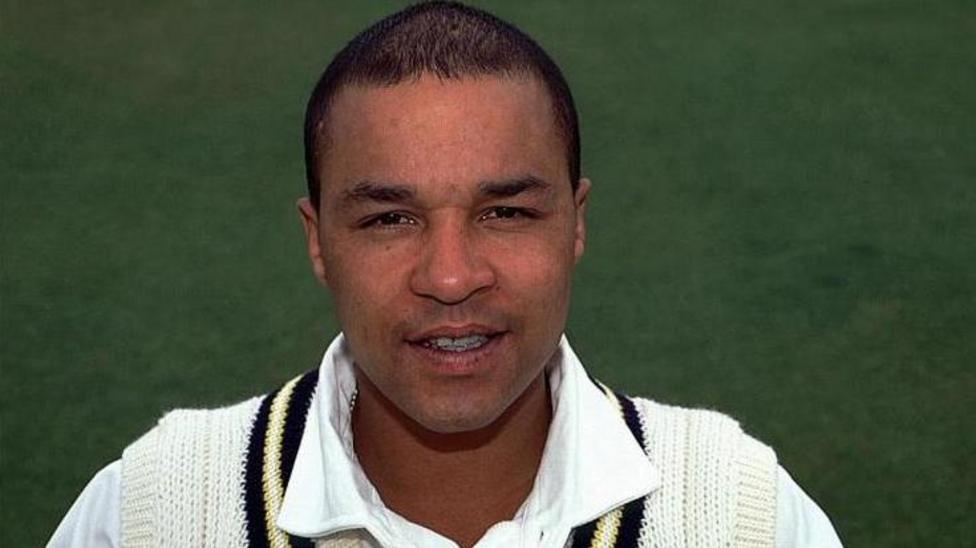
Keith Piper Dies at 56: Warwickshire Lose Their Soul
Keith Piper, the wicketkeeper who defined Warwickshire's golden era across nearly 500 appearances, has passed away at 56.
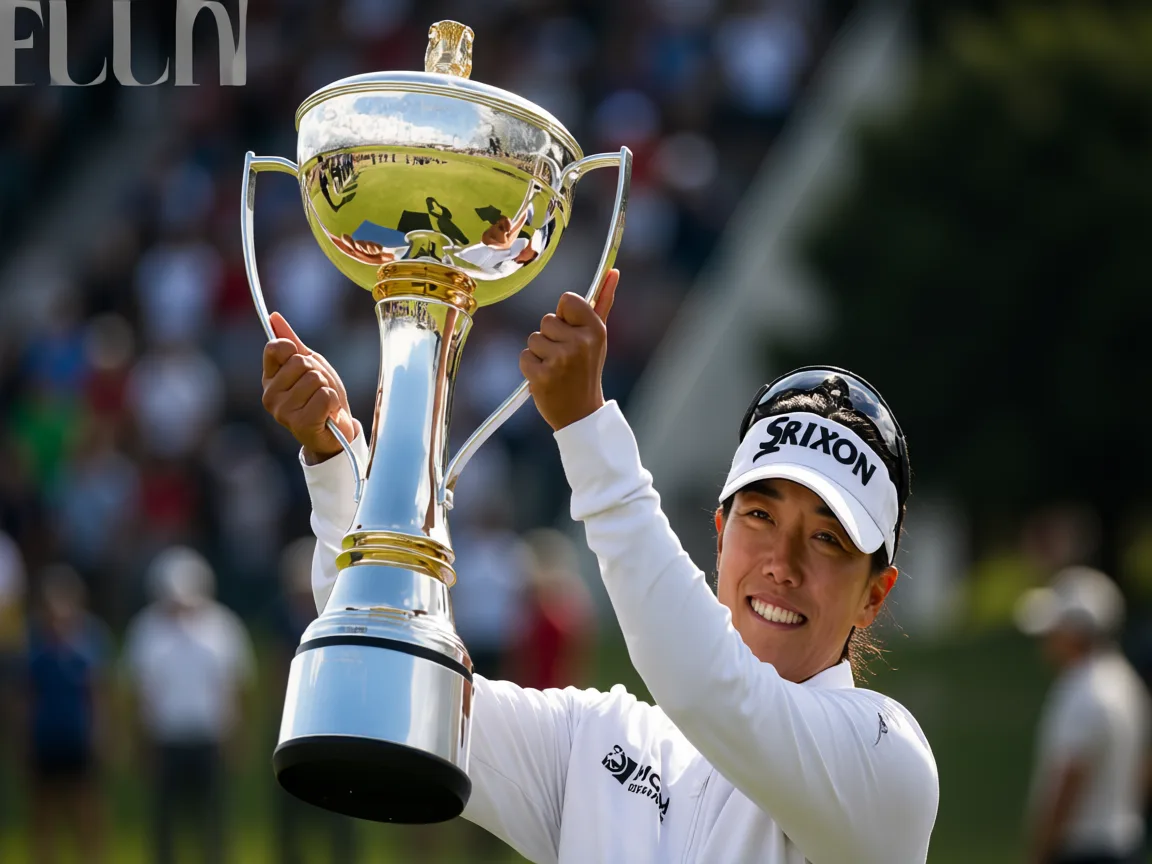
Jenny Shin Survives Final-Round Scramble to Win Women's Scottish Open
Shin held off compatriot A-Lim Kim on a demanding links course to capture her first title on the Ladies European Tour co-sanctioned stage.
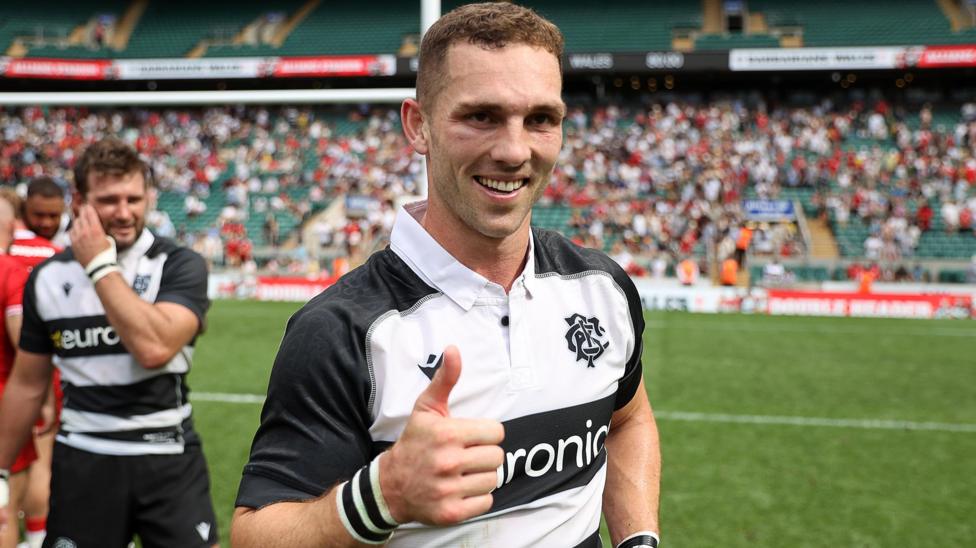
George North: The Welsh Colossus Who Rewrote the Wing Blueprint
George North's farewell wasn't just a goodbye — it was a final exclamation point on 16 years of Welsh rugby greatness.