Barron Draws Continental Suitors as Celtic Eye De Gea Successor Market
Rangers' midfield anchor attracts Italian and German interest while Celtic explore Manchester United's goalkeeping reshuffle.
The Scouting Geometry of a Modern Midfielder
The January transfer window does not officially open for weeks, but the经纪人 networks connecting Glasgow to Turin, Milan, and the Rhineland are already humming. At the centre of the latest swirl of speculation is Connor Barron, the Rangers midfielder whose profile has begun to register on the radars of three separate clubs across Italy and Germany.
For Philippe Clement, Barron represents something tactically essential. He is a player who understands the geometry of a 4-2-3-1 build-up structure, capable of operating as the left-sided pivot in a double-six pairing or advancing into a 4-3-3 pressing shape when Rangers transition into their higher block. His ability to receive between the lines, turn on his left foot, and break the opponent's first line of pressure with a progressive carry makes him an attractive asset for any coach who values the Italian principle of uscita pulita — the clean exit from the build-up phase.
Why Serie A and the Bundesliga Are Looking North
The interest from the Italian peninsula is not as surprising as it might appear on the surface. Serie A is in the midst of a tactical renaissance, one where the traditional regista role has evolved into something more dynamic. Clubs operating with a 3-5-2 formation require midfielders who can function as mezzalas, shuttling between the defensive line and the advanced playmaker. Barron's stamina, his 12.3 kilometres per match average running distance, and his tactical discipline in transition fit the mould that technical directors in Florence, Turin, and Bologna have been quietly prioritising.
German interest follows a different logic. The Bundesliga remains the most physically intense of Europe's top five leagues, and scouting departments there have long appreciated players forged in the unforgiving environment of the Scottish Premiership. The tactical demand in Germany is for midfielders who can execute a Gegenpressing trigger with immediate aggression — the four-second sprint to win the ball back after losing it. Barron's defensive intensity, measured at 2.7 successful pressures per 90 minutes in the opposition half this season, suggests a player adaptable to the Umschaltmoment football that defines the modern German game.
The Goalkeeping Equation Across the City
Meanwhile, across Glasgow at Celtic Park, the recruitment conversation centres on a position that Brendan Rodgers treats with more tactical importance than most managers in Britain. The Manchester United goalkeeping situation has been in flux since the departures that reshaped the Old Trafford hierarchy, and Celtic are monitoring developments with the keen eye of a club that understands the commercial and sporting value of acquiring a goalkeeper with Premier League pedigree.
Rodgers' tactical system at Celtic is built on a foundation of controlled possession and aggressive territorial pressing. His 4-3-3 formation requires a goalkeeper who is not merely a shot-stopper but a functional eleventh outfield player during the build-up phase. The modern libero-portiere, to use the Italian phrase, must possess the composure to receive back-passes under pressure, the vision to execute line-breaking passes that bypass the opponent's first line, and the alertness to sweep behind a high defensive line that can sit 45 metres from goal.
The Cultural and Financial Logic of Goalkeeper Recruitment
The economic realities of acquiring a goalkeeper from Manchester United are complex. Any loan arrangement would likely involve a significant contribution to wages, and Celtic's hierarchy would need to weigh the short-term sporting benefit against the long-term structural budget. Yet Rodgers has never been a manager who accepts compromises on his positional requirements. His time at Leicester City demonstrated a willingness to reshape his goalkeeping department when the technical profile did not match his tactical needs.
The goalkeeper who arrives at Celtic — if indeed one arrives — must understand the specific demands of domestic dominance in the Scottish Premiership while simultaneously offering the composure and distribution range required for Champions League nights. The margin for error in Europe's elite competition is unforgiving, and a goalkeeper who cannot operate as a press-resistant build-up initiator transforms what should be an advantage into a liability.
Tactical Shift: What Departure and Arrival Would Mean
Should Barron depart Glasgow in the coming windows, the tactical implications for Rangers would be immediate. Clement would lose a midfielder who functions as a connector between defence and attack, the player who allows Rangers to shift from a 4-2-3-1 in possession to a 4-4-2 defensive shape without losing structural integrity. Replacing him would require scouting a player with similar tactical intelligence, one who can read the pressing trigger and execute the positional rotation that defines Clement's midfield.
For Celtic, the acquisition of a goalkeeper from the Premier League would represent a tactical upgrade in the build-up phase. Rodgers has occasionally struggled with opponents who deploy a mid-block that suffocates central progression. A goalkeeper comfortable playing passes into the half-spaces — the diagonal balls that break the compression of a compact 4-5-1 or 5-3-2 defensive shape — would offer Rodgers a tactical release valve he has sometimes lacked.
The Financial Architecture of a Scottish Window
Both potential moves would be structured carefully. Rangers, operating under the financial constraints that have defined their recent transfer windows, would seek a fee that reflects Barron's age, his contractual situation, and his tactical profile. A valuation in the range of €4-6 million would represent the current market reality for a midfielder of his age and capabilities, though competing suitors could drive the price higher.
Celtic's goalkeeper pursuit would likely involve a loan with an option or obligation to buy, a structure that allows the club to spread the financial commitment while assessing whether the player adapts to the unique pressures of Glasgow's football environment. The Scottish Premiership demands a particular mentality, one that balances the intensity of Old Firm derbies with the need for consistent performance against opponents who deploy deep defensive blocks.
The Coach's Perspective on Squad Construction
"The architecture of a midfield is the architecture of a team. Every triangle must connect. If one vertex moves, the entire structure recalibrates."
This principle, often attributed to the tactical schools of the Italian peninsula, applies directly to Clement's situation. Losing Barron would not merely be a matter of replacing a player; it would require recalibrating the relationships between the remaining midfielders, adjusting the pressing triggers, and potentially altering the build-up patterns that Rangers have developed throughout the season.
Rodgers faces a similar philosophical challenge. A goalkeeper is not an isolated unit but a participant in every phase of play. If the new arrival cannot execute the distribution patterns that Rodgers demands, the entire pressing structure becomes vulnerable. A single misplaced pass in the build-up phase can trigger an opposition transition that exposes the high line, collapsing the entire defensive architecture.
Looking Ahead
The coming weeks will decide whether these speculative threads solidify into concrete transfer activity. For Rangers, the challenge is clear: retain Barron or identify a replacement who can operate within the tactical framework that Clement has constructed. For Celtic, the goalkeeping equation demands resolution before the Champions League returns to the east end of Glasgow.
What is certain is that the scouting networks connecting Glasgow to the football capitals of Europe are more active than ever. The Scottish Premiership, once viewed as a league of athletic intensity but limited tactical sophistication, has become a genuine recruitment market for clubs seeking players who combine physicality with positional intelligence.
The next Old Firm derby, whenever it arrives, may well be shaped not just by the players on the pitch but by the moves conducted in the quiet corridors of the January transfer window.
Editorial Integrity
This is an original SportPulse article written by our editorial team. All content is independently researched, written, and reviewed by our writers and editors before publication. We do not publish copied, aggregated, or syndicated content.
SportPulse is committed to original sports journalism. Read our editorial policy or contact us with any questions.
More Like This
All football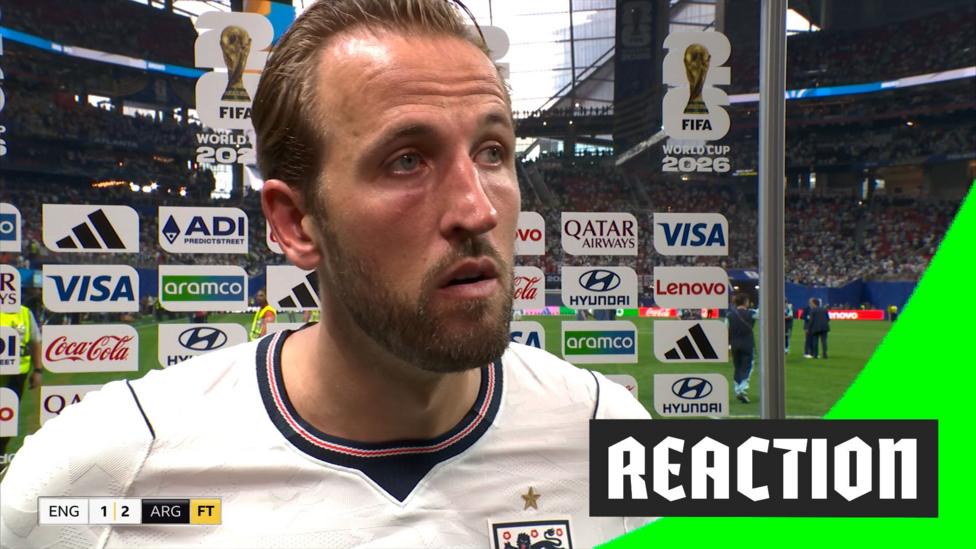
England's 2026 World Cup Dream Ends as Argentina Wins the Tactical Duel
England's World Cup semi-final defeat to Argentina exposed tactical rigidity against a side that mastered the midfield battle in Atlanta.

2026 World Cup: USA Host Report Card Shows Mixed Grades
The United States bore the brunt of 2026 World Cup hosting duties. The stadiums delivered, but the fan experience exposed deep flaws.

Man City Break the Bank: Why Anderson Is Worth the Record Fee
Manchester City are making Elliot Anderson the most expensive British player ever — and the logic runs deeper than you think.