Man City Break the Bank: Why Anderson Is Worth the Record Fee
Manchester City are making Elliot Anderson the most expensive British player ever — and the logic runs deeper than you think.
A British Record That Rewrites the Market
Manchester City are finalizing a deal for Elliot Anderson that will make the 22-year-old midfielder the most expensive British player in football history. The fee eclipses the £100 million City themselves paid for Jack Grealish in the summer of 2021, a record that stood for nearly four years.
Anderson, who emerged from Newcastle United's academy after being released by Rangers as a teenager, has gone from Bristol Rovers loanee to the priciest homegrown talent in the sport's history. The trajectory has been breathtaking. But the number on the check is only part of the story.
The real question is not whether City are overpaying. It is why they believe Anderson is the one worth breaking precedent for.
The Pep Succession Problem
Manchester City's midfield has been the engine room of the most dominant era in English football. Rodri, Kevin De Bruyne, Bernardo Silva, and Phil Foden have formed a quartet capable of dismantling any tactical structure in Europe. But cracks have surfaced.
Rodri's ACL injury in September 2024 exposed a vulnerability City had quietly papered over for years. Without the Ballon d'Or winner, the defending Premier League champions lost five consecutive league matches for the first time since 2006. The system didn't just stutter without him. It collapsed.
De Bruyne turns 34 this summer. His contract situation has lingered unresolved, and his body has betrayed him more often than City would like. Bernardo Silva has flirted with an exit nearly every window since 2022. The midfield that hoisted trophies in Istanbul and Riyadh is aging, and City's recruitment team knows it.
Anderson is not a like-for-like replacement for any of them. He is something arguably more valuable: a player who can do multiple midfield roles at an elite level without needing three seasons to adapt to Guardiola's demands.
What Anderson Actually Brings
Strip away the price tag and examine the footballer. Anderson is a ball-carrying midfielder who ranked among the Premier League's best progressive carriers last season. He averaged 5.8 progressive carries per 90 minutes, a figure that placed him in the 94th percentile among midfielders in Europe's top five leagues.
He is not a traditional number 10. He is not a defensive anchor. He operates in the spaces between, the half-spaces that Guardiola has spent a career obsessing over. Anderson can receive the ball under pressure in the first phase, turn, and drive through the lines. That skill set is rare. That skill set in a homegrown package is rarer still.
Newcastle's system under Eddie Howe demanded physicality and intensity. Anderson delivered both. He completed 2.4 tackles per 90 last season while also contributing 0.32 expected assists per 90, numbers that reflect a two-way midfielder who doesn't sacrifice one side of the game for the other.
"He's got that rare ability to receive the ball in tight areas and just glide past people. You can't teach that." — Eddie Howe on Anderson's development
The Homegrown Premium
There is a structural reason British players carry a surcharge. The Premier League's homegrown player rules mandate that each 25-man squad must include at least eight players who were trained in England or Wales for at least three seasons before turning 21. Scotland-developed players also qualify under certain conditions.
City have historically navigated this requirement with academy graduates and squad-fillers. But as the core ages, the need for elite-level homegrown talent becomes acute. Anderson solves that problem at the highest possible quality tier.
Compare the alternatives. Declan Rice cost Arsenal £105 million and has been transformative. Jude Bellingham, a British player developed abroad, commanded £115 million from Real Madrid (with add-ons). The market for elite young British midfielders has established a clear pricing floor, and Anderson's age profile, contract situation, and ceiling place him squarely within that bracket.
City are not paying a premium for Anderson because he is British. They are paying the market rate for a player who happens to be the best available British midfielder of his generation.
The Newcastle Dimension
Newcastle find themselves in an impossible position. The club's PSR (Profitability and Sustainability Rules) crisis forced several high-profile sales in recent windows, and Anderson's departure represents the most painful yet.
He was not just a player at St James' Park. He was the proof of concept for the academy investment, the local-boy-made-good narrative that every fan base craves. Losing him to a domestic rival, and to the very club that has hoarded the league's talent for a decade, adds salt to the wound.
Newcastle will recoup a record fee, but the sporting loss is significant. Howe built his midfield around Anderson's ability to progress the ball. Replacing that output requires either spending a similar sum, which PSR restrictions may forbid, or finding a developmental pathway that takes years City did not need to wait for.
Guardiola's Blueprint Evolving
There is a broader tactical narrative here. Guardiola's City have always valued midfielders above all other positions. The 2023 treble-winning side started four midfielders in most matches, inverting fullbacks into central zones to create numerical superiority.
Anderson fits that evolution. He is comfortable receiving between the lines, comfortable dropping deep to create, and comfortable pressing high. At 22, his tactical ceiling under Guardiola's coaching is immense.
The comparison to Phil Foden's trajectory is instructive. Foden was slowly integrated, trusted in increments, and then unleashed. Anderson arrives with significantly more first-team experience than Foden had at the same age. He has played over 100 Premier League matches and has been a regular starter in a top-four side.
That readiness matters. City cannot afford a transition season. With Arsenal strengthening, Liverpool rebuilding under new management, and the Champions League format expanding the competitive landscape, Guardiola needs players who can contribute immediately.
The Dressing Room Dynamic
Reports from the Etihad Campus suggest the City hierarchy views Anderson not just as a tactical fit but as a character addition. His rise from academy reject to British record holder speaks to resilience and mentality, qualities the club values highly.
The dressing room at City has always been managed carefully. Senior figures like Kyle Walker and Ilkay Gundogan have moved on. New voices are needed. Anderson's background, humble beginnings, loan spells in League Two, and gradual ascent give him a grounded perspective that complements the superstar environment.
"Every setback shaped me. I wouldn't change any of it." — Elliot Anderson on his journey through the lower leagues
What It Means
Manchester City are not signing a shiny name or a marketing asset. They are investing in a 22-year-old midfielder who solves multiple squad construction problems simultaneously: homegrown registration, midfield depth, ball progression, and long-term succession planning.
The record fee will dominate headlines. The real story is the clarity of thinking behind it. City identified the player who fits their present needs and future vision, and they moved decisively.
For Anderson, this is validation on a scale few British players ever experience. For the rest of the Premier League, it is a reminder that Manchester City's recruitment machine remains the most ruthless in English football.
The market has spoken. Elliot Anderson is worth it.
Editorial Integrity
This is an original SportPulse article written by our editorial team. All content is independently researched, written, and reviewed by our writers and editors before publication. We do not publish copied, aggregated, or syndicated content.
SportPulse is committed to original sports journalism. Read our editorial policy or contact us with any questions.
More Like This
All football
World Cup Grass Success Ignites NFL Players' Turf Rebellion
NFL stars launch a social media campaign demanding permanent grass fields after the World Cup exposed what proper pitches look like.

Summerville to Al-Hilal: West Ham Lose Their Press-Resistant Ball Carrier
West Ham's sale of Crysencio Summerville to Al-Hilal strips Julen Lopetegui of a profile his left flank desperately lacked.
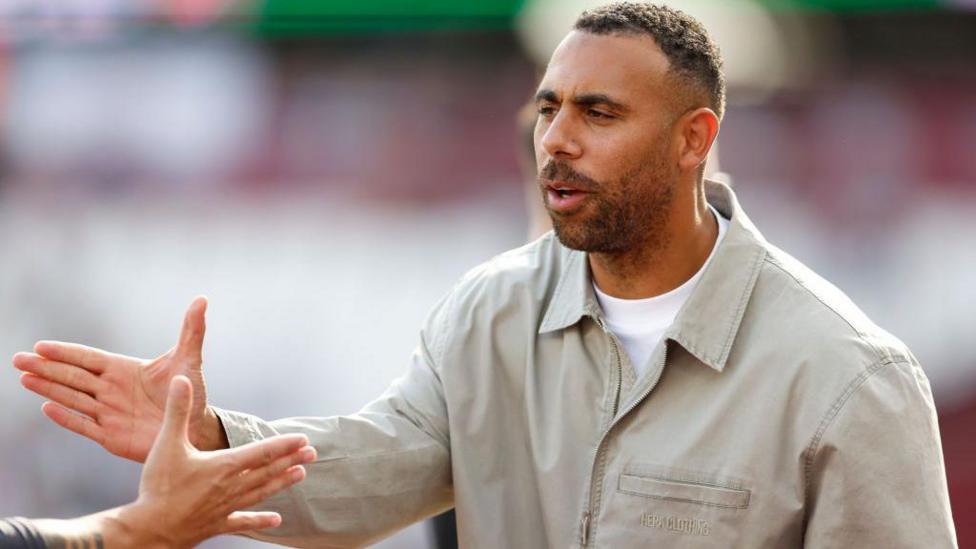
Anton Ferdinand Steps Into Management at Hornchurch — A Fresh Start in Familiar Territory
Former West Ham defender Anton Ferdinand launches his coaching career at National League side Hornchurch alongside Robert Lee.