BBC Alba Lands Exclusive Glasgow 2026 Commonwealth Games Rights
Gaelic-language BBC Alba becomes the sole BBC platform for Glasgow 2026 Commonwealth Games coverage in a stunning broadcast shake-up.
When the opening ceremony lights up Celtic Park on 23 July 2026, the most unlikely broadcasting protagonist in British sports media will be holding the keys.
BBC Alba. The Gaelic-language channel. The one buried deep in the EPG. The one most viewers scroll past on their way to BBC One.
That channel will be the only place on the BBC where audiences can watch live action from the Glasgow Commonwealth Games.
Let that sink in for a moment.
The United Kingdom's biggest public service broadcaster has chosen to route its entire Commonwealth Games operation through a minority-language channel that reaches a fraction of the population on any given night.
It is either a masterstroke of creative scheduling or a quiet scandal. Potentially both.
The Deal That Nobody Saw Coming
The announcement landed without fanfare. No press conference, no cross-platform marketing blitz, no primetime anchor sitting behind a desk promising comprehensive coverage.
Just a single, devastating line that reshaped the British sports broadcasting landscape overnight:
"The Gaelic broadcaster will be the only place on the BBC showing action from Glasgow 2026."
No qualifiers. No "additional coverage available on..." caveats. No iPlayer escape hatch.
BBC Alba. Exclusively. The whole thing.
For a Games being held in Scotland's largest city, in a country where approximately 1.7% of the population can speak Scottish Gaelic according to the most recent census data, the irony is almost too perfect to compute.
The Commonwealth has 72 nations and territories. The Opening Ceremony on 23 July will feature thousands of athletes. And the BBC is telling viewers that a Gaelic channel is their only gateway.
Behind the Deal: Follow the Money
This is not a creative decision. This is a financial decision wearing a kilt.
The BBC is staring down a funding cliff. The licence fee was frozen at £169.50 through 2024, and the corporation has spent the last two years cutting anything that does not directly serve its core public purpose remit.
Broadcasting rights for a multi-sport event are astronomically expensive. Even a "hometown" Games like Glasgow 2026 comes with hosting fees, production costs, and the logistical nightmare of covering multiple simultaneous events across athletics, swimming, cycling, boxing, gymnastics, and more.
The BBC looked at the balance sheet and made a ruthless calculation.
Why pay for wall-to-wall coverage on BBC One when BBC Alba already exists, already has production infrastructure in Scotland, and comes with the warm political glow of supporting indigenous language broadcasting?
The Financial Picture
- BBC Alba operates on a fraction of BBC One's budget, reportedly around £28 million annually versus BBC One's well over £1 billion
- Commonwealth Games broadcast rights and production costs typically run into the tens of millions for a host nation broadcaster
- By consolidating coverage on Alba, BBC avoids simulcasting costs across multiple channels
- MG Alba, the partnership body behind BBC Alba, has existing sports production expertise from covering Scottish football and shinty
The decision makes ruthless corporate sense. Which does not mean it is not infuriating.
The Viewer Experience Problem
Here is where the story takes a darker turn for the average sports fan.
BBC Alba's reach is real. The channel is available in approximately 1.2 million households across the UK via digital television platforms. That sounds substantial until you compare it to BBC One's near-universal availability in 27 million households.
The numbers tell the story.
Less than 5% of UK households will have default, instinctive access to the channel.
For the remaining 95%, finding BBC Alba means navigating deep into the electronic programme guide. Channel 198 on Freeview. Channel 168 on Sky. Numbered into the hundreds on every major platform, buried among niche music channels and shopping networks.
For a younger audience that has grown up with streaming as the default, the concept of finding a specific linear channel number is already alien. Expecting millions of viewers to hunt down a Gaelic channel is ambitious at best and insulting at worst.
The Language Question
No one is questioning the cultural value of Scottish Gaelic. With approximately 57,000 speakers concentrated primarily in the Highlands and Islands, the language represents a vital piece of Scotland's heritage that deserves preservation and celebration.
broadcasters.
But there is a difference between celebrating a language on its own terms and weaponizing it as a cost-cutting shield.
If BBC Alba had been given significant, prominent Commonwealth Games coverage as part of a broader BBC portfolio, this would be a heartwarming story about inclusion.
Making it the exclusive destination transforms the narrative entirely. Now the language is not being celebrated. It is being used as a convenient excuse to gut mainstream coverage.
The Political Powder Keg
This is where things get genuinely volatile.
Glasgow 2026 is not just a sporting event. It is a political project. Scotland's government backed the bid. The Scottish public purse is helping fund the Games. The entire narrative around hosting was about national pride, showcasing Scotland to 72 Commonwealth nations, and inspiring a new generation of Scottish athletes.
Now the message to Scottish and UK audiences is: if you want to watch your compatriots compete in your own country, learn to navigate to a Gaelic channel.
The contrast between the political vision of Glasgow 2026 and the broadcast reality could not be starker. Politicians promised a Games for all the people. The BBC is delivering a Games for those who can find channel 169 on Freesat.
Expect pushback from Westminster MPs questioning why licence fee payers across England, Wales, and Northern Ireland are being funnelled toward a Gaelic channel.
Expect even louder pushback from Scottish MPs who will see this as BBC London treating Scotland's Games as an afterthought, palming the coverage off on a specialty channel.
And expect the question that BBC executives are dreading: did you cut this deal to save money, or to hit indigenous language quotas, or both?
What Happens on July 23
The Games begin on 23 July 2026. That gives the BBC roughly eighteen months to manage the fallout communication.
Options that might soften the blow:
- A prominent iPlayer hub aggregating all BBC Alba live streams and catch-up content in one accessible location
- English-language commentary tracks offered as an alternative audio option on red button or iPlayer streams
- Prime evening highlights packaged and sold to BBC Two or BBC Four for wider reach
None of these are confirmed. None of these were mentioned in the original announcement. And the absence of any such detail is what makes the current announcement so alarming.
Right now, the BBC's position is that the only place to watch the Glasgow Commonwealth Games is a Gaelic channel.
No simulcast. No mainstream highlights. No iPlayer alternative.
Just BBC Alba. Commentaries in Scottish Gaelic. Studio analysis in Scottish Gaelic. A post-event interview with a Welsh sprinter translated through a language spoken by fewer than sixty thousand people.
The 2026 Commonwealth Games deserve a spotlight. They should feel like a national celebration.
Instead, on the BBC at least, they risk becoming a niche curiosity filed under minority-language programming on the wrong end of the electronic programme guide.
That is not a legacy. That is a bail-out.
And the athletes, the fans, and the host city deserve considerably better than that.
Editorial Integrity
This is an original SportPulse article written by our editorial team. All content is independently researched, written, and reviewed by our writers and editors before publication. We do not publish copied, aggregated, or syndicated content.
SportPulse is committed to original sports journalism. Read our editorial policy or contact us with any questions.
More Like This
All long-reads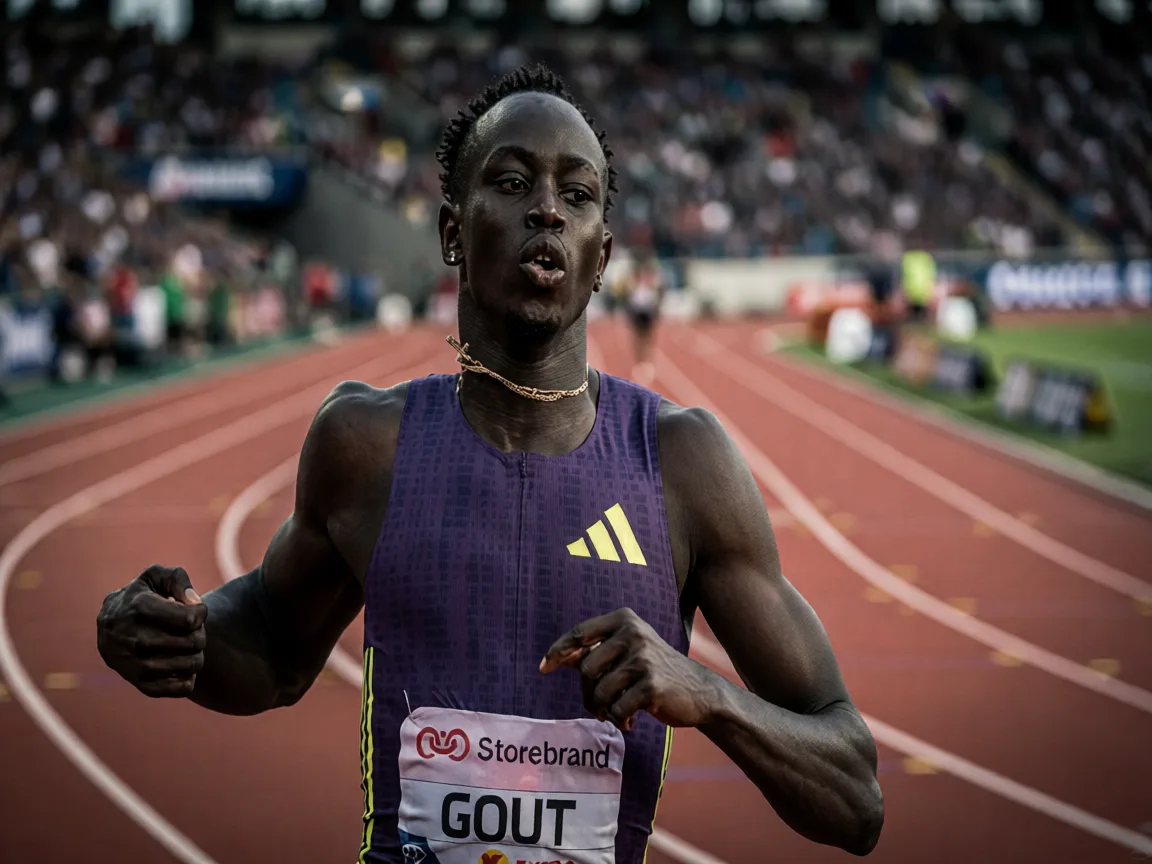
Gout Gout's Season-Ending Hamstring Tear Robs Athletics of Its Brightest Sprint Prospect
Australia's sprint prodigy Gout Gout faces season-ending hamstring surgery, sidelining the 18-year-old from World U20 Championships and delaying a much-anticipated senior breakthrough.
Evonne Goolagong: The Glory, Abuse, and Legacy of a Broken Barrier
A new drama strips back the sentimental myth of Evonne Goolagong to reveal the exploitation beneath her historic tennis career.
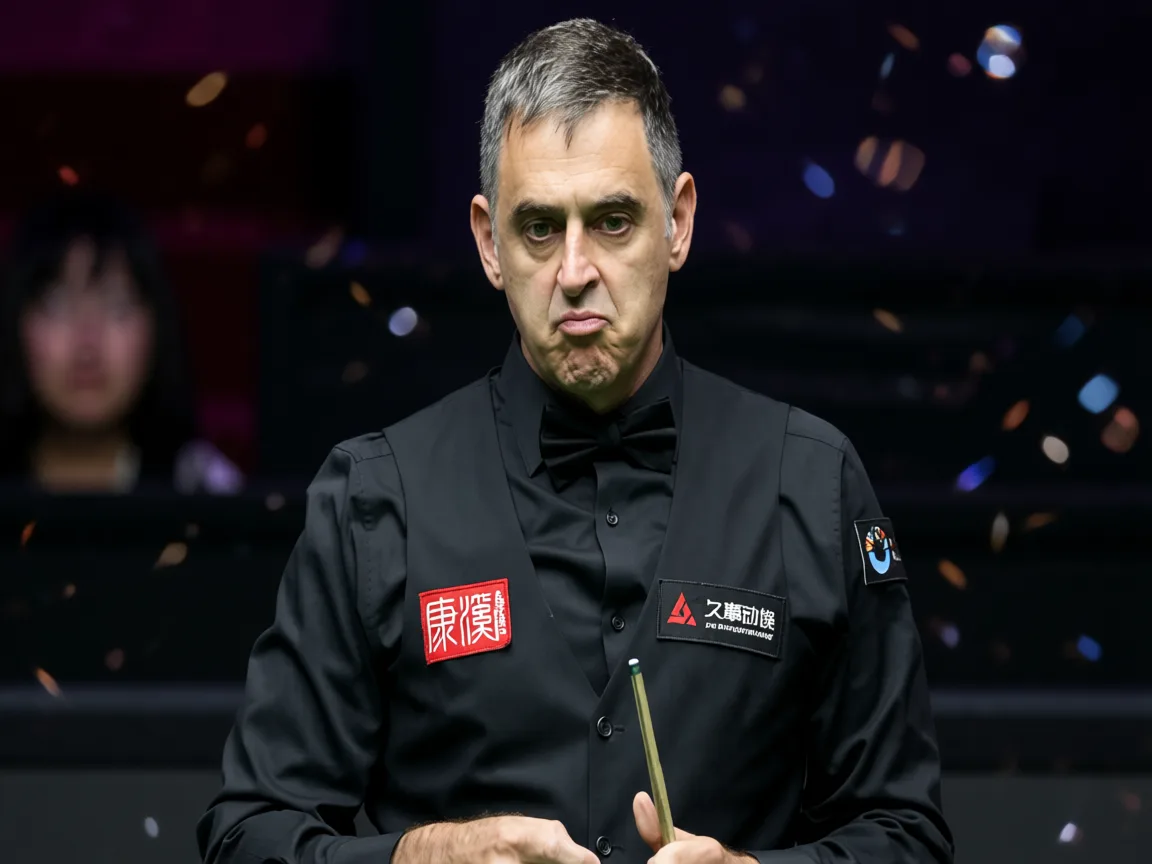
O'Sullivan Brushes Aside First-Round Opponent to Open Shanghai Masters Campaign
Ronnie O'Sullivan looked untroubled in his seasonal debut in Shanghai, easing through a comfortable first-round tie.