Evonne Goolagong: The Glory, Abuse, and Legacy of a Broken Barrier
A new drama strips back the sentimental myth of Evonne Goolagong to reveal the exploitation beneath her historic tennis career.
The sound is raw, rhythmic, almost primitive. A wooden plank meets a ball against a weathered wall in rural New South Wales. Thwack. Thwack. Thwack. It is the origin story sport loves to sell, the image of a prodigy forged in dust and isolation. But in the new three-part ABC drama Goolagong, that repetitive thwack is a deliberate provocation. How many times must we watch the cherubic, primary school-aged Evonne strike a wall with a plank before we accept that the myth obscures a far more complicated truth?
The series, currently streaming on ABC iView in Australia and BBC iPlayer in the UK, opens with Ann Peebles declaring, "It's your thing – do what you wanna do!" It is an on-the-nose anthem for a teenager steeling herself for her first walk onto the Wimbledon lawns. As a young Evonne Goolagong, played with poised vulnerability by Lila McGuire, wanders starry-eyed through the All England Club corridors, the camera lingers on the portraits of former champions. She is the first Aboriginal player to compete in tennis's most prestigious tournament, stepping into a space never designed for her.
The narrative is unapologetically flashback-heavy, weaving the innocence of Barellan, New South Wales, with the crushing pressures of the global stage. The Wiradjuri family's impoverished but joyful rural life stands in stark contrast to the manicured, overwhelmingly white world of global tennis. And the series demands that you sit with that contrast, even when its sentimentality borders on the saccharine.
The Coach and the Corrupted Dream
The true dramatic engine of Goolagong is not the triumph on the grass, but the quiet, insidious corruption off it. At fourteen, Evonne is plucked from her family and relocated to Sydney by Vic Edwards, played with a slick, unnerving menace by Marton Csokas. He moves her into his family home, ostensibly to groom her for sporting immortality. But the series suggests he was grooming her, full stop.
The tonal shift is jarring, a screeching handbrake turn from inspirational sports drama to a psychological study of exploitation. Edwards's unwanted sexual advances and financial chicanery represent the ugliest traditions of women's sport, where young prodigies were treated as commodities by the men who held the keys to their futures.
"When it stops being fun, come home."
These words, spoken by Evonne's mother, hang over the entire narrative like a warning shot. They carry the heavy foreshadowing of a tragedy that is sporting as much as it is personal. Later, after enduring family heartbreak and her mentor's selfish manipulation, Evonne echoes them back. Tennis, she declares, is "not fun any more." The game that was her escape has been weaponized against her by the very man who promised to launch her career.
The Burden of the First
What makes Goolagong's story so vital is that she was navigating this exploitation without a blueprint. There was no previous Aboriginal Wimbledon champion to lean on, no veteran who understood the dual burden of carrying a community's hopes while fending off a predator's advances.
In 1971, aged just nineteen, she won her first Wimbledon ladies' singles title. It was a seismic upset that rattled the establishment and riled up Billie Jean King. She claimed another doubles title at the All England Club in 1974. Then, in 1980, she captured the Wimbledon crown once more, cementing her status as a generational talent.
Career by Numbers
- 7 Grand Slam singles titles across her career
- 2 Wimbledon ladies' singles championships (1971, 1980)
- 1 Wimbledon doubles title (1974)
- 1 World No. 1 ranking, achieved amid the peak of her dominance
- 1st Aboriginal player to compete at, and win, Wimbledon
Those numbers represent a staggering breakthrough for Indigenous athletes worldwide. Yet the series insists we cannot separate thetrophy from the toll. To be the first is to absorb the shock for everyone who comes after, and Goolagong absorbed plenty.
The drama captures the specific alienation of being a woman in sport during that era, or as the series bleakly implies, simply a woman in the world. The fluffier, lighter scenes of Goolagong's early innocence collide violently with the reality of Edwards's grip on her life and finances. It is deeply uncomfortable viewing, but as the show makes clear, that discomfort is her reality. To sanitize it would be to erase the cost of her achievements.
Legacy Beyond the Plank
The frustration with Goolagong is that it wants so desperately to be an inspirational tribute that it occasionally loses the courage of its own darker convictions. The syrupy montages and heavy-handed starry-eyed corridor walks clash with the stark, necessary depiction of abuse. When we watch that little girl hitting a ball against a wall with a plank of wood, we are meant to feel awe. But re-contextualized by her suffering under Edwards's control, it feels more like a trap closing.
The plank of wood is not a symbol of predestination. It is a symbol of what she had to survive to get to a court, let alone dominate it.
Evonne Goolagong's historical legacy is unshakeable. She shattered the colour barrier at tennis's most exclusive cathedral and walked away with seven Grand Slam titles. She did it while carrying the cultural weight of the Wiradjuri people and the personal weight of a coach who betrayed her trust. The series ends up capturing that duality, even when its tone wavers. Her career is a testament to talent so undeniable it could not be suppressed by poverty, racism, or exploitation.
But the question the drama leaves lingering is one tennis must still reckon with today. When we celebrate the barrier-breakers, do we acknowledge the damage inflicted by the barriers? Goolagong won because her genius was undeniable. But the game stopped being fun long before she lifted those trophies. That is the legacy we must sit with. Not the romanticized thwack of wood against a wall, but the resilience it took to survive when the game itself turned against her.
Editorial Integrity
This is an original SportPulse article written by our editorial team. All content is independently researched, written, and reviewed by our writers and editors before publication. We do not publish copied, aggregated, or syndicated content.
SportPulse is committed to original sports journalism. Read our editorial policy or contact us with any questions.
More Like This
All long-reads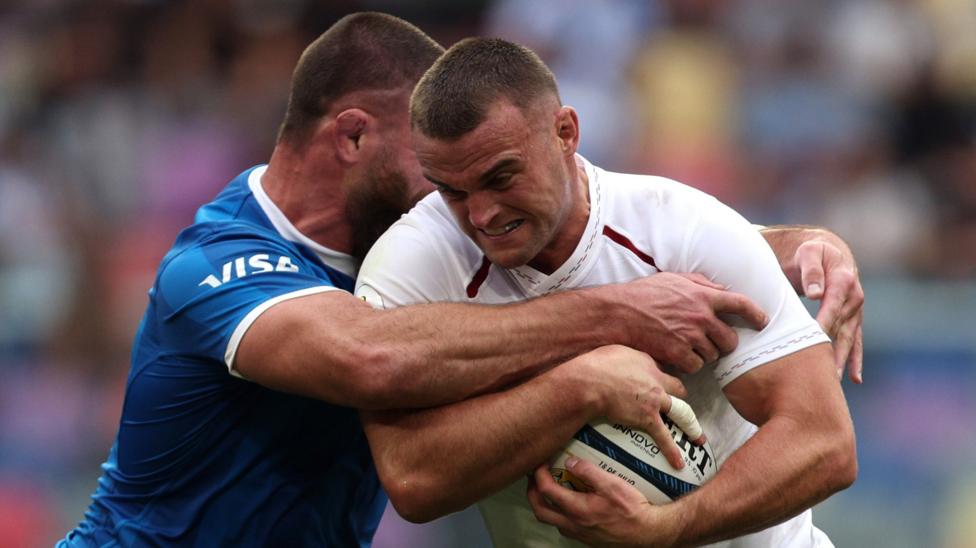
Ben Earl Demands Nations Championship Overhaul After 'Brutal' Summer
England flanker Ben Earl calls for a format overhaul to the inaugural Nations Championship after a punishing summer schedule.

Into the Darkness: Inside Spain's Palaeolithic Masterpieces That Defy Time
One of the world's few permitted visitors to Altamira reveals how early Homo sapiens painted with astonishing sophistication tens of thousands of years ago.
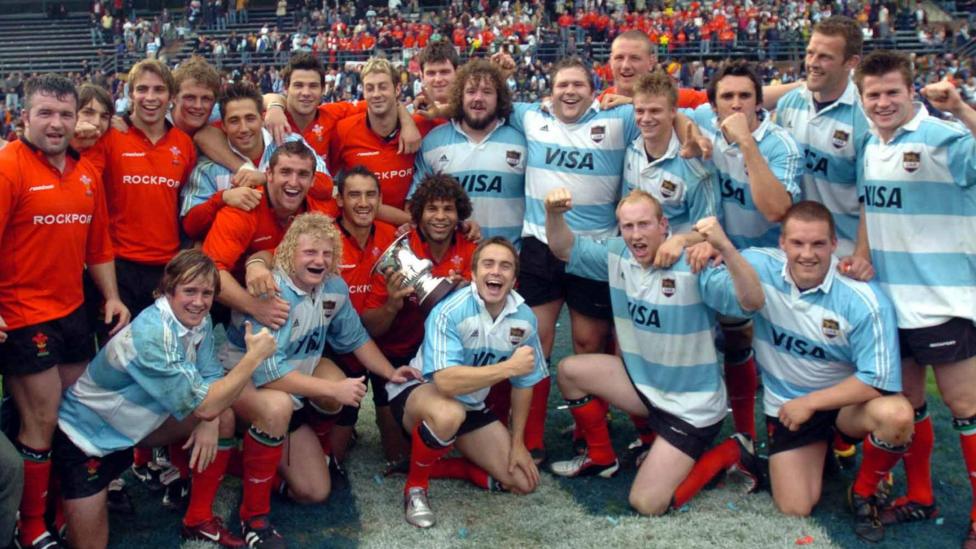
Blood, Sweat, and Rugs: The 58-Year War Between Wales and Argentina
From the 1960s to today, Wales and Argentina’s rugby rivalry is defined by visceral chaos, tactical brilliance, and unforgettable drama.