Ben Earl Demands Nations Championship Overhaul After 'Brutal' Summer
England flanker Ben Earl calls for a format overhaul to the inaugural Nations Championship after a punishing summer schedule.
'Brutal' Is the Word Ben Earl Chose, and He Meant Every Letter
Ben Earl did not soften his language. Speaking after England's summer Nations Championship campaign, the flanker described the schedule that ground through his body and his teammates' bodies in one word: brutal.
This was not a throwaway line from a tired player venting after a long tour. Earl's complaint targets the structural design of World Rugby's flagship new tournament. The Nations Championship replaced the old fragmented test window system with a biennial competition giving every fixture context within a broader league table. The inaugural edition rolled out this year, bringing together tier-one nations in a format designed to make every test match matter.
What it delivered in its summer leg, from Earl's vantage point, was a relentless fixture pile-up. The schedule required sustained travel across multiple time zones with matches stacked in a compressed window. For a player who operates at flanker intensity, the physical toll between fixtures determines whether he makes that last tackle or misses it.
How the inaugural summer leg stretched England's squad
The Nations Championship exists because the old international calendar had no connective tissue. Traditional summer and autumn test windows operated in isolation: southern hemisphere teams toured north, northern teams toured south. Results carried prestige but not cumulative competitive weight.
World Rugby's unified structure was supposed to fix that. The biennial tournament packages tier-one rugby into a coherent league format, giving broadcasters a sellable product with a narrative arc rather than a collection of loosely connected friendlies.
That commercial objective is rational. But the scheduling consequences fall on a finite group of athletes whose physical margins are already paper-thin across a club season that runs roughly ten months. Earl's public criticism lands directly in that fault line: governing bodies want more high-stakes international content, broadcasters want a packaged competition, and players want their bodies to last into their thirties.
Earl calls for format changes, not abolition
Earl did not call for the competition to be scrapped. His language pointed toward reform: format changes, he said. Adjustments to how the summer leg is structured, how recovery windows are protected, how travel demands are distributed.
Without Earl specifying exact proposals, the most obvious pressure points are identifiable.
Recovery time between fixtures sits at the top. Compressing matches into fewer weeks produces more broadcast windows but shorter physical resets. Extending the gap by even two or three days across a four-match summer block would give medical and conditioning staff more to work with.
Travel logistics offer another lever. Grouping fixtures by geography rather than competitive seeding could reduce cumulative air miles for touring squads.
Squad size regulations matter too. If the Nations Championship demands more intensity over a shorter period, allowing expanded squads for the competition window would give coaches rotation options that protect frontline players without weakening match-day selections.
Tournament organisers in other sports have implemented similar scheduling reforms after early feedback from participants.
Why Earl's standing makes this harder for World Rugby to ignore
Ben Earl is not a fringe squad member airing a personal grievance. He has become one of England's most important players, a back-row forward whose breakdown work and carrying ability make him central to whatever game plan the coaching staff deploys. His willingness to speak publicly about the schedule's toll signals that the discomfort is widespread.
When a player of his standing uses the word brutal without hedging, the governing body should pay attention. The Nations Championship is still young enough to adjust its structure without the political cost of a mid-cycle overhaul. But that window narrows with each edition. If the inaugural format burns through players who then speak publicly about the damage, the competition's credibility erodes before it fully establishes itself.
World Rugby wanted a tournament that made every test matter. Earl is arguing that the current format makes every body break.
Editorial Integrity
This is an original SportPulse article written by our editorial team. All content is independently researched, written, and reviewed by our writers and editors before publication. We do not publish copied, aggregated, or syndicated content.
SportPulse is committed to original sports journalism. Read our editorial policy or contact us with any questions.
More Like This
All long-reads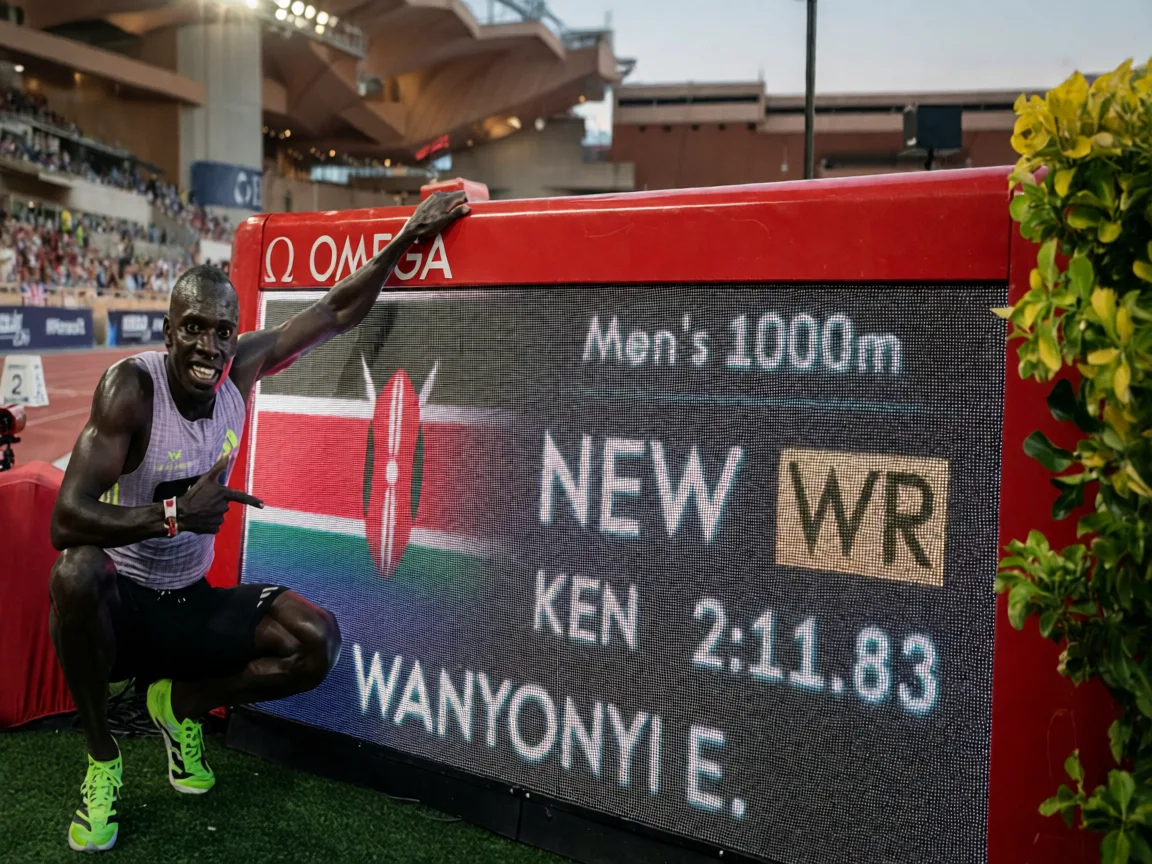
Wanyonyi Erases 27-Year 1,000m Record in Monaco
Kenya's Emmanuel Wanyonyi shattered a quarter-century-old world record on his 1,000m debut while Julien Alfred scorched the Monaco track.

From Hating Every Minute to World No. 1: Linsey Smith's Unlikely Rise
England's Linsey Smith despised international cricket at first. Now she sits atop the T20 bowling rankings.

Evenepoel Chips Away at Pogacar With Stage 16 Time-Trial Masterclass
Remco Evenepoel slashes 28 seconds off Tadej Pogacar's Tour de France lead with a commanding time-trial victory.