BBC Taps the Sidemen for World Cup Watchalong as Media Wars Heat Up
BBC Sport's partnership with YouTube's biggest football collective signals a seismic shift in how the game reaches young fans.
The Crossover Nobody Saw Coming
BBC Sport announced it will co-host a World Cup watchalong on Thursday alongside the Sidemen, the YouTube collective that has quietly become one of the most powerful forces in British football culture. The partnership marks a significant escalation in the national broadcaster's push to reach audiences who don't consume sport through linear television.
The Sidemen, a group of content creators with a combined subscriber base exceeding 100 million across their channels, have spent the last decade building a football-adjacent empire. Their annual charity matches regularly fill professional stadiums. Their FIFA content has shaped an entire generation's relationship with the sport. Now the BBC wants in on that audience.
This is not a throwaway content experiment. It's a calculated move from a broadcaster that has watched its grip on younger football fans loosen year after year.
Why the Sidemen?
The Sidemen are not casual football tourists. Members like Miniminter (Simon Minter) and TBJZL (Tobi Brown) are genuine, lifelong supporters of clubs like Arsenal and Tottenham. That authenticity matters. Their audience doesn't just watch them play FIFA. They watch them react to transfer windows, debate tactics, and attend live matches.
The group's charity football events have become cultural spectacles in their own right. Their 2023 Sidemen Charity Match at the London Stadium drew a sold-out crowd of over 60,000 and generated millions in donations. When they talk football, people listen. Not because a network told them to, but because they trust the voices.
That trust is precisely what BBC Sport is banking on. Traditional broadcasters have spent years struggling to crack the Gen Z code. Hiring influencers for cameos hasn't worked. Hiring influencers for the actual product might.
The Watchalong Revolution
n
The watchalong format exploded during the pandemic years and never went away. Amazon Prime pioneered it in UK football with their Thursday Night Football coverage, bringing in creators and pundits to react live alongside the broadcast. TNT Sports (formerly BT Sport) followed suit for Champions League nights.
The concept is simple. Strip away the polished studio. Let personalities react in real time. Chat alongside the match. Let the audience feel like they're watching with friends rather than being lectured by analysts.
For a World Cup, the stakes are even higher. International tournaments are the sport's great unifier, pulling in casual viewers who might not watch a single club match all year. Those viewers skew younger. They're on their phones. They're scrolling Twitter, TikTok, and YouTube while the match plays on a second screen. The BBC knows it needs to be where those eyeballs already are.
Thursday's watchalong is less about the specific match and more about proving the model works at scale.
What This Says About the BBC's Strategy
The BBC's sports coverage has been under pressure for years. Budget cuts have eroded its ability to compete with Sky Sports and TNT Sports for Premier League rights. Its traditional highlight shows, while beloved by older audiences, don't command the cultural urgency they once did. Match of the Day still matters, but its monopoly on the football conversation is long gone.
Partnering with the Sidemen is an acknowledgment that reach now matters as much as prestige. The BBC doesn't need to outbid anyone. It needs to stay relevant. And relevance in 2024 means meeting audiences on platforms they already inhabit.
The Sidemen's reach dwarfs most sports broadcasters. A single video on the main Sidemen channel can pull 10 to 15 million views within days. Their individual channels collectively generate billions of annual impressions. By anchoring a World Cup watchalong to that network, the BBC is effectively borrowing an audience it could never build on its own.
This isn't charity. It's arithmetic.
The Bigger Trend in Sports Media
The Sidemen-BBC partnership sits within a broader collapse of the old media order in football. Amazon now holds Premier League rights. Apple TV has a foothold through Major League Soccer. YouTube creators are being courted by clubs themselves, with teams like Manchester City and Arsenal regularly hosting digital influencers at training grounds and press conferences.
The line between media and content creation has dissolved. A watchalong on Thursday could generate more social impressions than a flagship BBC Sport bulletin on the same day. Both the broadcaster and the Sidemen know this.
What remains to be tested is whether the format actually converts. Does a Sidemen watchalong bring new viewers to the BBC's wider football output? Does it make younger fans more likely to tune into a highlights package or a live broadcast down the line? Or does it simply create a one-off spike that fizzles the moment the stream ends?
The answer matters, because if this works, expect every major broadcaster in Europe to start shopping for their own digital creator partnerships.
Inside the Numbers
- 100 million+ combined YouTube subscribers across Sidemen channels
- 60,000+ attendance at the 2023 Sidemen Charity Match
- BBC iPlayer's football content saw a 34% increase in streaming among 16-34 year-olds during recent tournament coverage
- Watchalong content on YouTube averaged 2.3 million concurrent viewers during the 2022 World Cup knockout rounds across various creator channels
What It Means
This is a signal flare. The BBC is no longer treating digital creators as a sideshow to its football coverage. They are the coverage. Thursday's watchalong is a test case for a media landscape where a YouTuber's reach is worth more than a prime-time studio slot. If it lands, the implications stretch far beyond one event. Every rights holder, every broadcaster, every club will recalibrate how they think about audience engagement. The Sidemen aren't disrupting sports media anymore. They are sports media.
Editorial Integrity
This is an original SportPulse article written by our editorial team. All content is independently researched, written, and reviewed by our writers and editors before publication. We do not publish copied, aggregated, or syndicated content.
SportPulse is committed to original sports journalism. Read our editorial policy or contact us with any questions.
More Like This
All football
Joe Hart's 2026 World Cup Punditry Is Elite Goalkeeper Analysis
Joe Hart's World Cup punditry proves former players can deliver specialist insight that casual analysis never could.
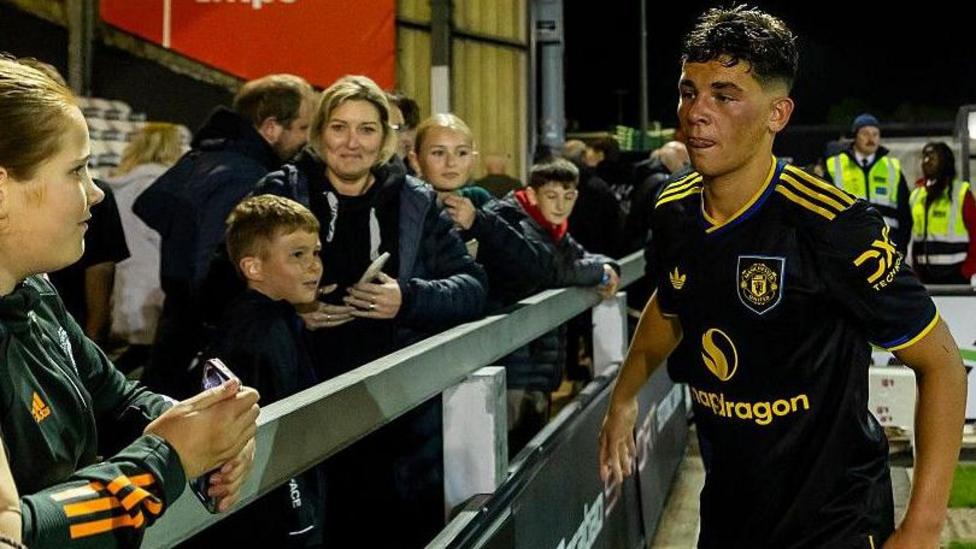
Manchester United Abandon EFL Trophy Amid Youth Crisis
Manchester United's withdrawal from the EFL Trophy signals a profound shift in academy philosophy and deepening worries over talent development pathways.
World Cup Breakouts Are Transfer Market Gold, But the Premium Is Dangerous
A breakout World Cup inflates transfer value overnight. But clubs paying the tournament premium often gamble on context rather than substance.