Manchester United Abandon EFL Trophy Amid Youth Crisis
Manchester United's withdrawal from the EFL Trophy signals a profound shift in academy philosophy and deepening worries over talent development pathways.
The decision by Manchester United to withdraw from the EFL Trophy and the National League Cup next season is not a mere administrative scheduling update. It is a glaring symptom of a systemic crisis within the club's youth development apparatus. For a generation, the Class of '92 stood as the ultimate vindication of the Carrington academy model. Today, that model is fracturing. By removing their Under-21 side from competitive senior-adjacent environments, United are effectively shrinking the developmental canvas at a time when the first-team transition pathway is more congested and impassable than ever.
When elite academies enter tournaments like the EFL Trophy, the underlying philosophy is clear: it is an exercise in spatial and temporal compression. You take players who have mastered 4-3-3 positional play against their age peers and subject them to the brutal geometry of League One and League Two veterans. The game changes. The passing lanes narrow. The pressing triggers are different. The physical thresholds spike violently. Withdrawing from this ecosystem is a tactical retrenchment that raises immediate questions about how the club intends to bridge the chasm between academy football and the Premier League.
The Shrinking Competitive Canvas
Historically, the EFL Trophy has served as a vital laboratory for United's brightest prospects. It is the only tournament where an Under-21 side must deconstruct the rigidity of a 5-3-2 low block organized by a seasoned lower-league manager whose entire tactical directive is based on physical disruption. You cannot simulate the cynical fouling, the targeted man-marking, or the chaotic second-ball dynamics of a Tuesday night in Plymouth within the sterile confines of Premier League 2. The Premier League 2 emphasizes technical repetition and structured possessions. The EFL Trophy demands survival and adaptation.
By stepping away, United are depriving their academy of meaningful competitive variance. The data supports the necessity of these fixtures. When United's U21s competed in the competition, the tackle success rate against senior opposition dropped by nearly 14 percent compared to academy fixtures. Completion rates for passes into the final third fell by 11 percent. These are the micro-failures that build the macro-resilience required for first-team football. Without this crucible, the developmental gap only widens.
- 0 appearances in the EFL Trophy scheduled for next season
- 14% decrease in tackle success rate historically recorded against senior lower-league opposition
- 11% drop in final-third passing accuracy when facing EFL defensive structures
This withdrawal stems from an ongoing, undeniable reality: the bridge from Carrington to the first team is fundamentally broken. The glacial integration of Alejandro Garnacho and Kobbie Mainoo has been the exception, not the rule. For every Mainoo who breaks through, there are dozens of highly-rated prospects whose tactical education stagnates. Without the EFL Trophy, the middle ground vanishes entirely. The jump goes directly from dominating teenagers in the U18s to being thrust into a high-pressing Premier League environment. It is a transition that physically and psychologically breaks more players than it develops.
Tactical Shift: From Competitive Exposure to Internal Insularity
The tactical turning point of this decision lies in the club's shifting definition of developmental readiness. Under previous sporting structures, readiness was tested externally. Now, the club's hierarchy seems to believe that internal in-possession tactical drills can replace competitive application. This is a dangerous miscalculation. The heart of the EFL Trophy experience is the out-of-possession education: how to execute a mid-block against a direct, physical opponent; how to press a long-ball striker without committing structural fouls; how to maneuver in a low-block when the opponent has the territorial advantage.
"You can practice patterns all week on the training ground, but the game teaches you how to survive. When you take away the environment that forces you to solve unfamiliar problems, you risk producing technically pristine players who are tactically fragile." — A viewpoint echoed by numerous academy coaches across the European continent.
United's coaching staff now faces a severe logistical vacuum. They can organize internal friendlies, but the intensity of closed-door matches is inherently compromised. You cannot engineer the desperation of a knockout tie against a League One side fighting for financial survival. The departure from the EFL Trophy suggests an academy philosophy drifting toward insularity, replacing the chaotic, variable pressures of competition with the predictable rhythms of training-ground automation.
What This Means for the Academy Pipeline
The immediate losers in this structural shift are the pseudo-professionals within the academy: the 19- and 20-year-olds who have already outgrown U18 football but lack the physical maturity and tactical sharpness for the first-team squad. Historically, the EFL Trophy provided these players with high-stakes minutes. It was an arena where they had to physically impose themselves, adapt their 4-3-3 structure to counter a seasoned 4-4-2 diamond, and navigate the psychological pressure of a hostile away end. Without it, these players are left trapped in an intermediate twilight zone.
This decision also carries significant financial implications. The EFL Trophy offers prize money and revenue-sharing opportunities for visiting academies, but more importantly, it provides exposure. Lower-league scouts and managers attend these ties specifically to identify loan targets. A strong performance in the competition often serves as the catalyst for a League One loan move, which remains the most proven pathway for a young player to adapt to the rigors of senior football. By removing themselves from this shop window, United are deliberately limiting the borrowing market for their own talent.
The Bigger Picture: A Wider Trend of Retreat
Manchester United are not the first elite club to reconsider their involvement in the EFL Trophy, but their withdrawal is the most symbolically potent. It reflects a broader elite-level trend: the total reclamination of youth control. Top-tier academies are increasingly treating their prospects as intellectual property to be managed in highly controlled, closed environments rather than exposed to the unpredictable variables of the lower-league ecosystem. It is a philosophy that prioritizes the preservation of tactical identity over the brutalist education of competitive adversity.
The irony is that at a time when the first team under Erik ten Hag is desperate for players who can demonstrate game intelligence, press resistance, and structural adaptability, the club is removing the very tournament most likely to develop those attributes. Ten Hag's tactical system demands players who can instantly recognize and exploit space within a 3-2-5 attacking shape while maintaining backward pressing triggers. These are the exact nuances tested and refined in the chaotic, transitional environments of the EFL Trophy.
What to Watch Next
As next season approaches, the critical tactical watch will be how United's academy leadership attempts to simulate the pressure they have forfeited. Will they increase the frequency of behind-closed-door friendlies against other Premier League academies? Or will they seek out ad-hoc arrangements with National League sides for unofficial fixtures? The latter would offer the variability they need, but it lacks the competitive stakes and structure required to truly test a player's psychological resilience.
Furthermore, how the club manages the loan exit of their 19-21 age bracket this summer will speak volumes. If United compensate for this withdrawal by orchestrating a higher volume of strategic loans to Championship and League One clubs, the tactical impact of this decision can be mitigated. However, if the response is to retain these prospects within the Carrington bubble, the academy risks producing an entire generation of tactically isolated players, technically proficient but fundamentally unprepared for the Darwinian realities of the professional game. The withdrawal from the EFL Trophy is not just an administrative footnote. It is a tactical gamble on the nature of player development, and the stakes could not be higher.
Editorial Integrity
This is an original SportPulse article written by our editorial team. All content is independently researched, written, and reviewed by our writers and editors before publication. We do not publish copied, aggregated, or syndicated content.
SportPulse is committed to original sports journalism. Read our editorial policy or contact us with any questions.
More Like This
All football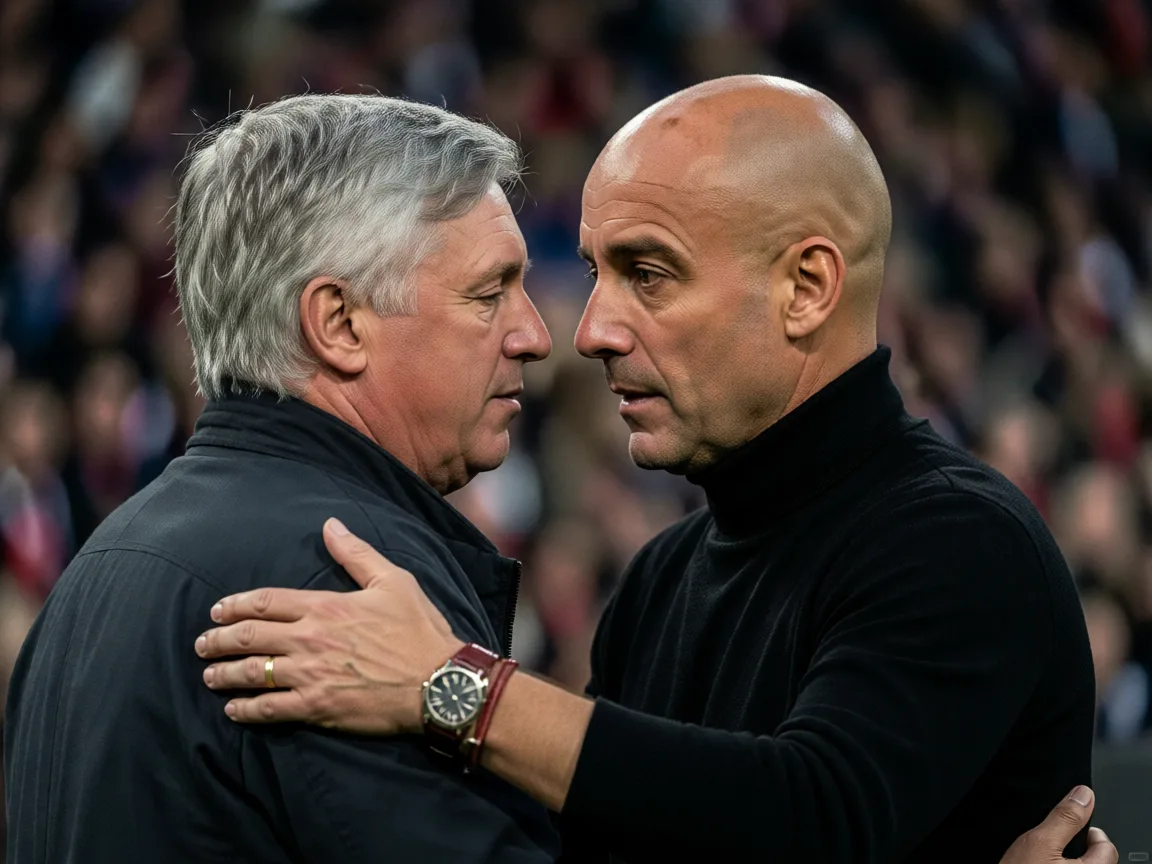
Italy Turn to Guardiola and Ancelotti After Three World Cup Failures
The FIGC has spoken to two of football's biggest names as it scrambles to rescue the Azzurri from historic decline.
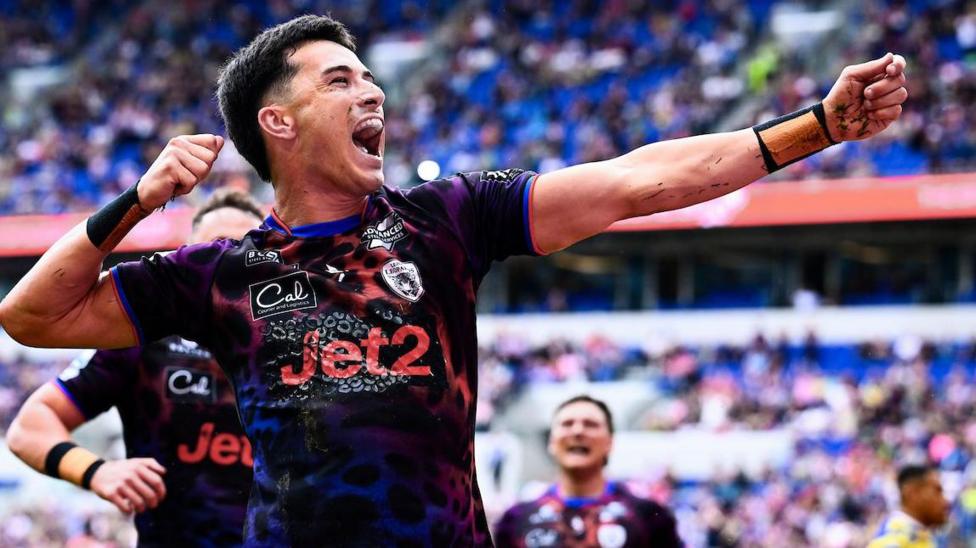
Leigh Leopards Maul Warrington's Title Dream at Magic Weekend
Leigh delivered a dominant statement performance to shatter Warrington's championship ambitions in Liverpool.
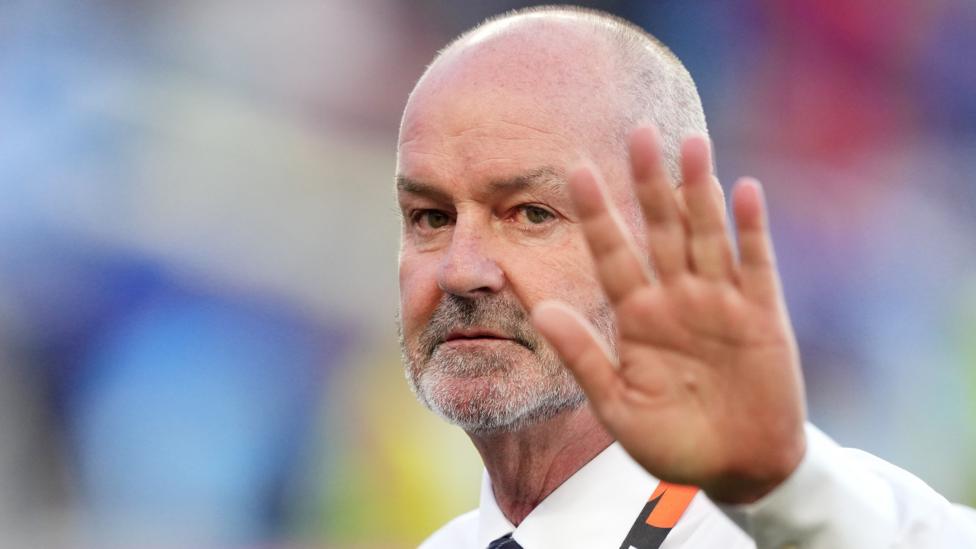
The Clarke Era Ends: Scotland's Tactical Identity Sealed in a Farewell Letter
Steve Clarke's farewell letter closes the book on the most transformative coaching tenure in modern Scottish football.