Italy Turn to Guardiola and Ancelotti After Three World Cup Failures
The FIGC has spoken to two of football's biggest names as it scrambles to rescue the Azzurri from historic decline.
Three Missed World Cups Force Italy's Hand
Four-time world champions Italy haven't appeared at a World Cup since 2014. That absent streak explains why the Italian football federation (FIGC) is reportedly speaking to Pep Guardiola and Carlo Ancelotti about the national team job. Three consecutive failures to qualify represent the deepest trough in a footballing history stretching back over a century. The FIGC, guided by Paolo Maldini, wants a new coach announced within the week.
Guardiola Says No
Pep Guardiola has turned down the chance to coach Italy. The former Manchester City manager left at the end of a gruelling 2023-24 campaign that included a Premier League title but also visible signs of fatigue in his project. He is currently unattached and was technically available. The appeal for Italy was concrete: a coach who redefined positional play at Barcelona, Bayern Munich, and City would bring tactical clarity to an Azzurri side that has lacked identity for years.
Guardiola's entire managerial career has been built on daily coaching sessions, controlling the rhythm of club football, and spending months drilling patterns into squads he hand-picks. International management offers none of that. He would receive players for a handful of days before competitive fixtures, with no ability to buy specific profiles or train complex systems over extended periods. He has decided that trade-off does not work for him. Guardiola has never managed an international side and has given no public indication that he craves the challenge. The FIGC was chasing a name that wasn't running toward them.
Ancelotti: First in Line, Still Under Contract
Carlo Ancelotti's situation is more complicated. The FIGC contacted Ancelotti before approaching Guardiola, making him the first target in this search. He is under contract with Brazil, a job he took after leaving Real Madrid at the end of the 2024-25 season. Extracting him from the CBF would require negotiation, compensation, and willingness from both Ancelotti and the Brazilian federation to part ways.
Ancelotti is Italian to his core. He won four Champions League titles as a manager, including the 2014 Décima with Real Madrid that capped years of near-misses. He managed AC Milan to European glory twice, in 2003 and 2007, and played for the club during its dominant late-1980s era. The emotional pull of rescuing his home nation's national team is real.
His coaching style may suit international football better than Guardiola's. Ancelotti is a manager of relationships more than rigid systems, adept at getting the best from elite players in high-pressure knockout scenarios. His man-management has always outweighed his tactical schematics. For a national team setting, where bonding and clarity matter more than weekly drilling, that profile arguably fits.
The Depth of Italy's Decline
Italy's collapse is a structural crisis. Failure to qualify for Russia 2018 was a shock. Missing Qatar 2022 was a pattern. Not reaching the 2026 World Cup confirms a systemic problem extending well beyond the manager's office.
The 2020 European Championship, won by Roberto Mancini's side on penalties at Wembley, now reads less like a resurgence and more like an outlier. Since that triumph, Italy have slipped through Nations League campaigns, stumbled in qualifying groups, and cycled through managers without settling on a direction. Luciano Spalletti, who took over in 2023, could not arrest the slide.
The talent pipeline has thinned. Serie A clubs increasingly rely on foreign players in key positions, and the domestic league's financial struggles have eroded development infrastructure. A new coach, however decorated, inherits a squad short on world-class depth and heavy on players who perform well domestically but struggle to impose themselves internationally.
Options Narrowing for the FIGC
The pursuit of Ancelotti and Guardiola was institutional. Italy's football federation needs a figure whose stature commands respect, quiets the post-World Cup recriminations, and convinces a sceptical public that there is a plan. Both names delivered that on reputation alone.
With Guardiola confirmed as uninterested, the FIGC's options have narrowed sharply. Ancelotti would demand release from a contract he only recently signed with Brazil. If that extraction fails, the federation falls back on a less glamorous shortlist, and the narrative shifts from ambition to compromise.
The FIGC's weekly timeline suggests urgency, possibly panic. Hiring a coach of this calibre normally involves months of courting, contract negotiation, and staff assembly. Compressing that into days risks a rushed appointment driven more by optics than by genuine alignment between manager and project. Given the state of Italian football right now, the fallback to a less celebrated name may be where this ends.
Updated: 2026-07-23 - Guardiola officially rejects Italy approach; contact order with Ancelotti confirmed.
Editorial Integrity
This is an original SportPulse article written by our editorial team. All content is independently researched, written, and reviewed by our writers and editors before publication. We do not publish copied, aggregated, or syndicated content.
SportPulse is committed to original sports journalism. Read our editorial policy or contact us with any questions.
More Like This
All football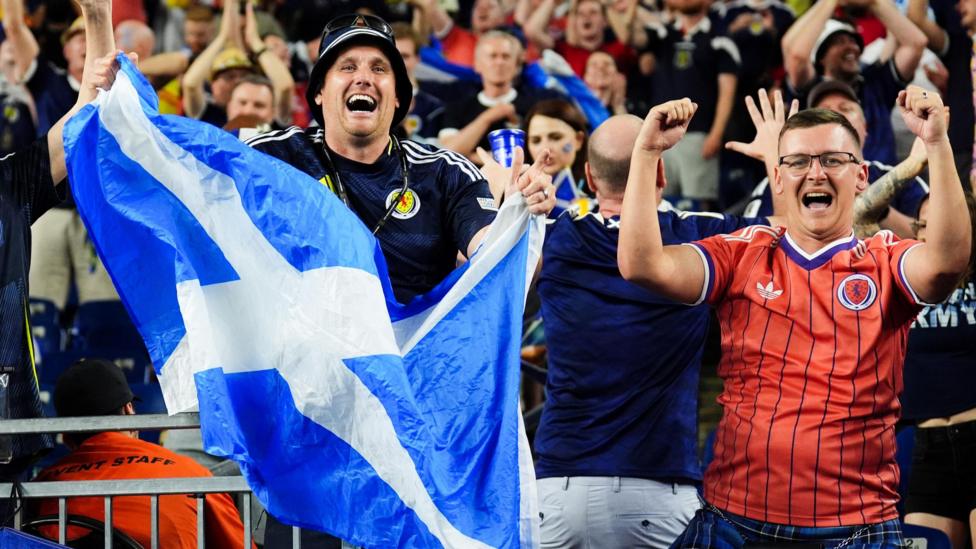
Scotland On American Soil: A World Cup Generation Has Waited Decades For
BBC Scotland's punditry presence in the US signals a new chapter for a nation starved of World Cup football.
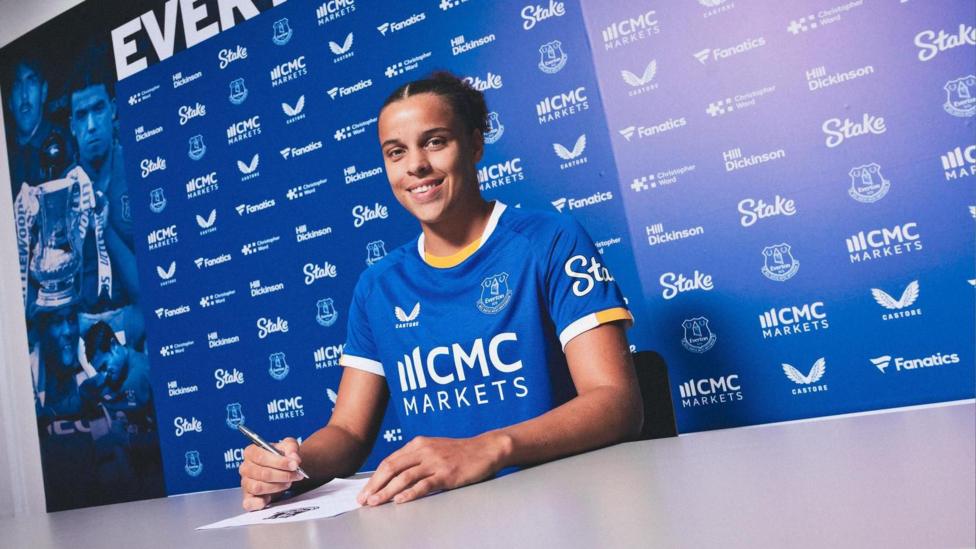
Everton Land Mouchon: Leicester's Loss, Halberg-Stewart's Masterstroke
Everton secure France forward Noemie Mouchon on a free from Leicester, addressing their pressing need for positional intelligence and midfield connectivity.
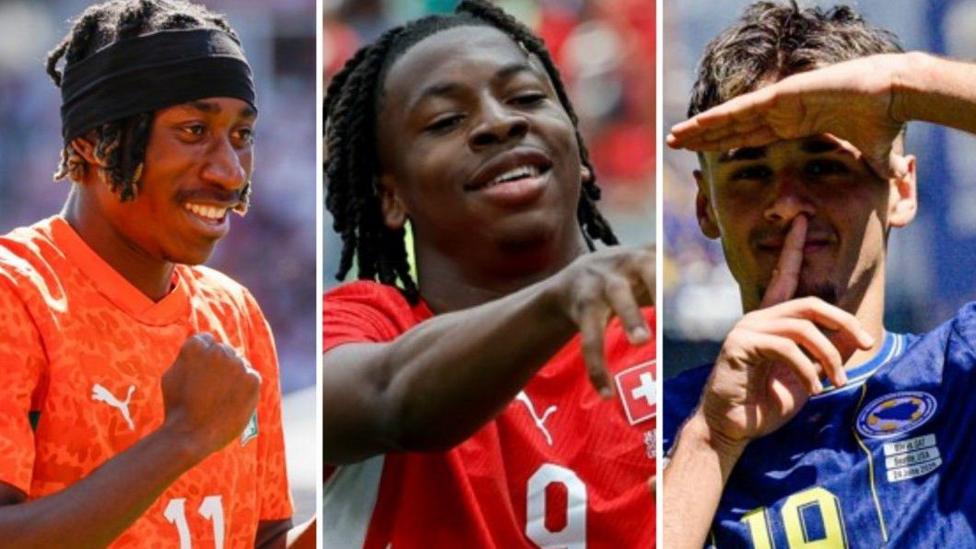
Move Over Messi and Ronaldo: The New Generation Taking Over
Five emergent superstars are stealing the World Cup spotlight from the fading era of Messi and Ronaldo.